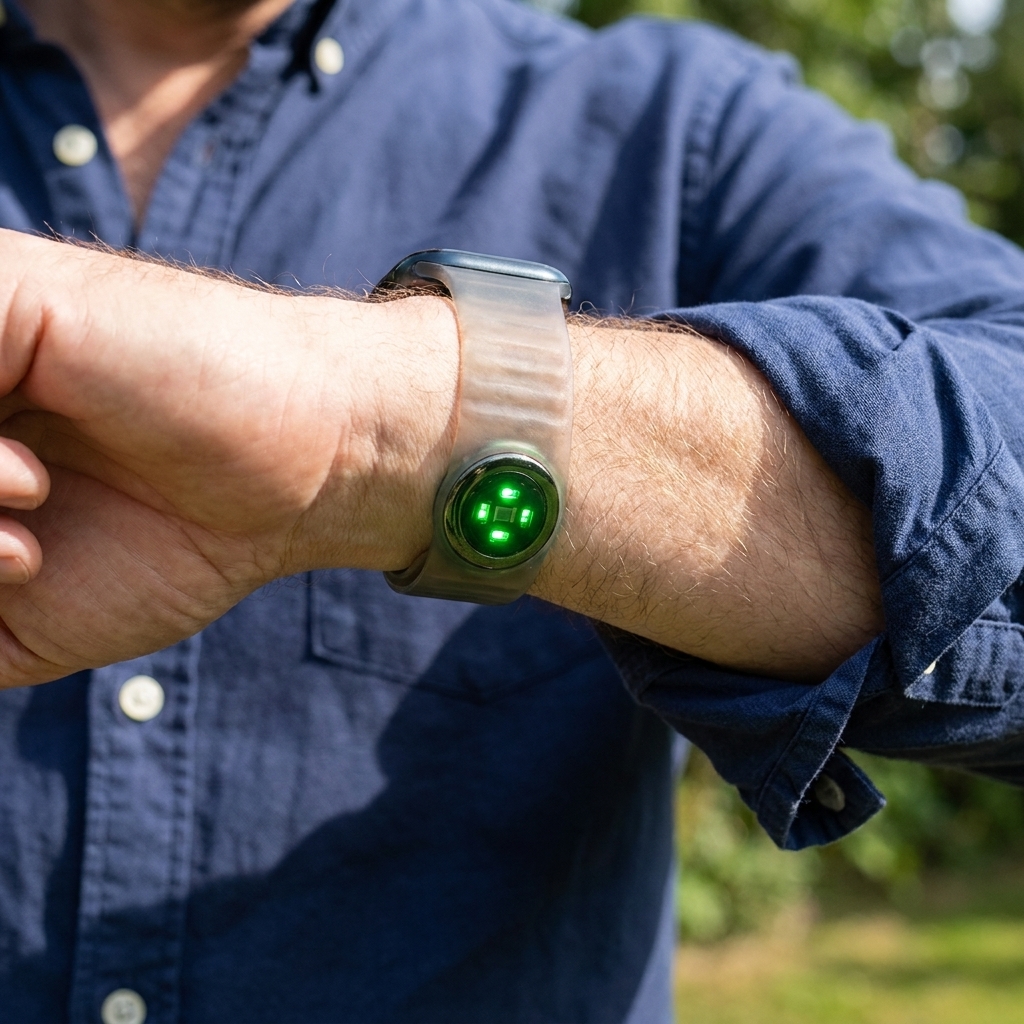
Your body runs on a clock. Not the kind with hands, but a living timing system that decides when you feel alert, when you feel hungry, when your body temperature peaks, and when sleep finally feels like the obvious choice.
Chronobiology is the science of that timing. The good news is that your circadian rhythm is adjustable, not with biohacker theatrics, but with a few boring, powerful levers: light, consistency, and when you do everyday things like eat, move, and drink caffeine.

Below is a step-by-step plan you can start today, plus troubleshooting for the most common situations: night owls, early birds who wake too early, shift workers, and anyone stuck in the Sunday-night jet lag spiral.
Your circadian rhythm in plain English
Think of your circadian rhythm like an orchestra conductor. It does not play the instruments, but it cues them. Hormones, digestion, attention, and sleep pressure all come in on schedule when the conductor has a clear beat.
The “conductor” lives in a small region of your brain called the suprachiasmatic nucleus (SCN). It takes its strongest timing signal from light entering your eyes, especially morning light. That signal helps your body coordinate things like:
- Melatonin : rises in the evening to help sleepiness show up on time.
- Cortisol: typically rises in the morning to help you wake and mobilize energy.
- Core body temperature: tends to dip at night, rise during the day, and strongly influences alertness.
Here is the key: your clock can drift if it does not get a reliable daily “time stamp.” Artificial light at night, inconsistent wake times, late meals, and late caffeine act like noisy instructions. Your body still tries to follow them.
The big levers (ranked by power)
1) Light: the main dial
If you change one thing, change light. The circadian pacemaker is primarily set by light exposure, especially bright light early in your day and lower light at night.
This is why the other habits work so well when they are consistent: they tend to pull your light exposure, meals, and activity into a predictable rhythm.
2) Wake time: the practical anchor
If I could only give you one behavior, it would be this: pick a wake time you can hit at least 6 days a week. Wake time is not the biological master switch (light is), but it is the easiest way to keep your light exposure and daily routines steady. Once wake time stabilizes, bedtime usually becomes easier to stabilize too.
Target: keep wake time within a 30 to 60 minute window most days.
3) Morning light: your daily reset button
Light in the first part of your day tells your SCN, “This is morning.” That signal nudges your rhythm earlier, boosts daytime alertness, and helps melatonin arrive more predictably at night.
- When: within 30 to 60 minutes of waking is ideal.
- How: go outside if you can. Even on cloudy days, outdoor light is far brighter than typical indoor lighting.
- How long: as a rule of thumb, 5 to 10 minutes on a bright morning, 15 to 30 minutes if it is overcast. You may need longer in winter, at higher latitudes, or if you are very light-sensitive.
If outdoor light is not possible, sit near a bright window. It is not as strong, but it is better than nothing.
4) Evening darkness: protect melatonin’s runway
Your clock listens to absence of light too. Bright light at night, especially blue-enriched light, can delay melatonin and shift your rhythm later. Brightness and contrast matter a lot here, not just screen color.
- 2 to 3 hours before bed: dim the house lights.
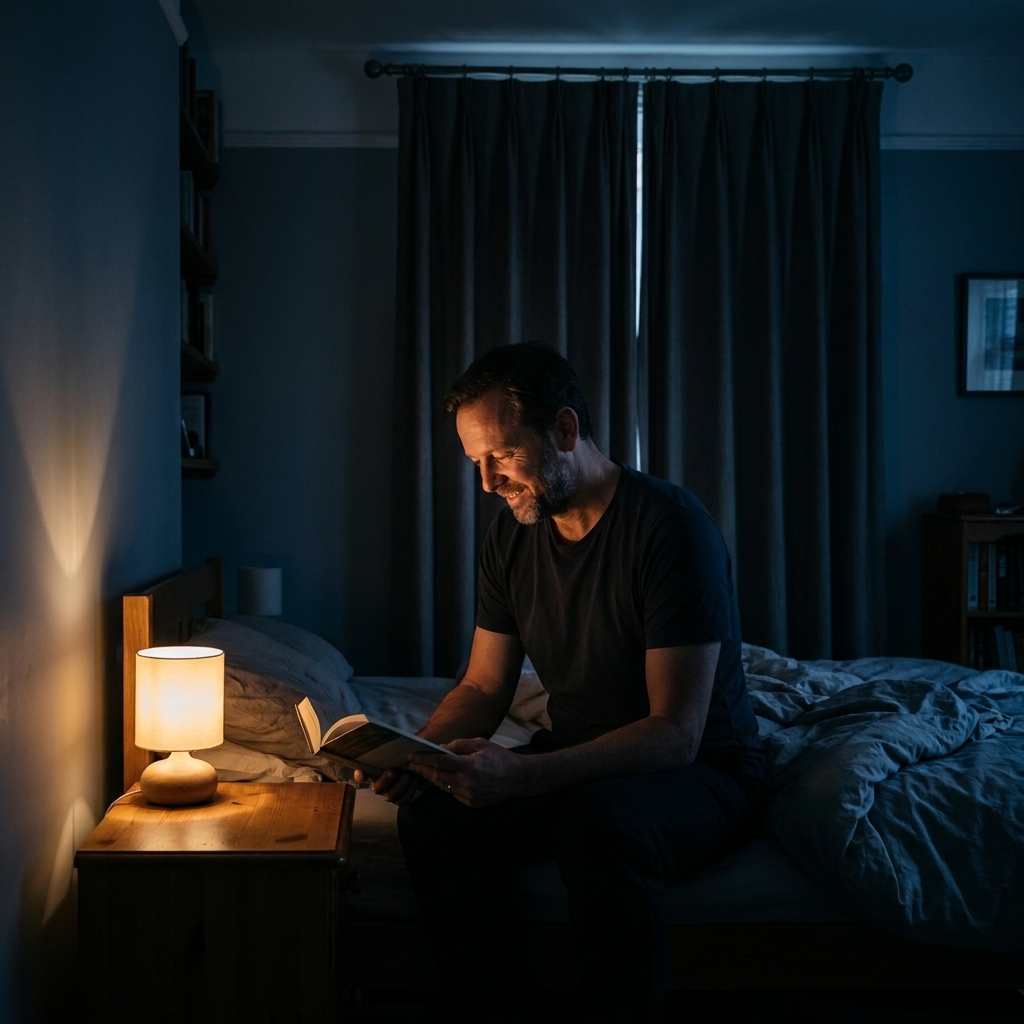
- 1 hour before bed: aim for “lamp-light mode.”
- Screens: reduce brightness, use night mode, and avoid close-up doomscrolling in a dark room. A bright screen in darkness is a circadian megaphone because the contrast is so high.
5) Timing food: your body clock has a stomach
You have “peripheral clocks” in tissues like the liver and gut. Meal timing is one way you set them. The effect is generally smaller than light, but it can still matter, especially if you eat very late or inconsistently.
- Breakfast: if you are trying to shift earlier, try to eat within 1 to 2 hours of waking.
- Dinner: as a rule of thumb, finish 2 to 4 hours before bed when possible.
- Consistency: eating at wildly different times on different days blurs the signal.
6) Caffeine: a borrowed-alertness loan with interest
Caffeine blocks adenosine, the chemical “sleep pressure” that builds as you stay awake. Helpful, yes. But late caffeine is like renting alertness and paying it back at midnight. Sensitivity varies a lot.
- Curfew: stop caffeine 8 to 10 hours before bed as a starting point.
- If you are sensitive: move that to 10 to 12 hours.
- Morning timing tip: if you wake groggy, try waiting 60 to 90 minutes before your first caffeine. Some people find this reduces the afternoon crash, but it is not universal.
7) Exercise: a gentle phase shifter
Movement signals “daytime” to your body. In general, morning or afternoon exercise tends to support earlier sleep timing, while very intense late-night workouts can delay sleep for some people.
- Best for sleep: moderate activity earlier in the day.
- If evenings are your only option: keep it lighter and end at least 1 to 2 hours before bed.
The 7-day circadian reset plan
This is designed for the most common goal: falling asleep easier, waking up more reliably, and feeling less like a zombie between 2 and 4 p.m. Adjust the times to your life, but keep the sequence.
Think of this plan as the “big levers” turned into daily defaults. Light first, then consistency, then the supporting signals (food, caffeine, movement).
Step 1: Choose your “non-negotiable” wake time
Pick a time you can keep on workdays and most weekends. If you are currently waking much later, shift earlier gradually by 15 to 30 minutes every 2 to 3 days.
Step 2: Get outside light soon after waking
Set a reminder for “light walk.” Pair it with something pleasant: coffee on the porch, walking the dog, or a quick lap around the block. You are more likely to stick with it when it feels rewarding.

Step 3: Move your first meal earlier (if shifting earlier)
If you are trying to become more of a morning person, breakfast timing can help reinforce the shift. Start by moving your first calories 30 to 60 minutes earlier than usual and keep it consistent for the week.
Step 4: Set a caffeine cutoff
Count backward 9 hours from your intended bedtime and make that your default stop time. If sleep is still fragmented, move the cutoff earlier.
Step 5: Create a dim-light “landing strip” at night
Two hours before bed, switch to softer lighting. One hour before bed, reduce stimulation. Your goal is not perfect serenity. Your goal is making it easier for melatonin to do its job.
- Dim overhead lights, use lamps.
- Keep screens lower brightness and farther from your face.
- Do a repeatable pre-sleep routine: shower, light reading, stretching, or prepping tomorrow’s lunch.
Step 6: Keep bedtime flexible, keep wake time fixed
This surprises people: forcing bedtime can backfire. If you go to bed not sleepy, you teach your brain that bed is a place to be awake. Instead, target a bedtime range and let sleepiness lead by 15 to 30 minutes.
Step 7: Protect the weekend (without ruining it)
Sleeping in 2 or 3 hours on weekends is basically giving yourself mild jet lag every Monday. If you need recovery sleep, try this compromise:
- Sleep in no more than 60 to 90 minutes.
- Take a 20 to 30 minute nap earlier in the afternoon if needed.
- Get morning light anyway, even if you wake later.
Common problems and the chronobiology fix
“I’m tired at night, but then I get a second wind.”
That can be a circadian alertness bump plus light exposure plus stimulation. Try:
- Dimming lights earlier, especially overhead lighting.
- Moving intense tasks earlier in the evening.
- Taking a warm shower 1 to 2 hours before bed. The cool-down afterward can support sleepiness.
“I wake up at 3 a.m. and can’t fall back asleep.”
Early waking can happen when your rhythm is shifted earlier than your schedule, when stress is high, or when light, alcohol, or noise fragments sleep.
- Keep mornings bright, but keep evenings darker.
- Make sure your room is dark. Even small light sources can matter for some people.
- Watch for alcohol as a culprit. It can make falling asleep easier but worsen second-half sleep and early waking.
- If awake more than about 20 minutes, do something quiet in dim light until sleepy again, then return to bed. This helps re-link bed with sleep.
“I’m a night owl. How do I shift earlier without misery?”
Night owls often need two changes at once: earlier light and earlier consistency.
- Shift wake time earlier slowly, 15 minutes every few days.
- Get outdoor light right after waking, no negotiating.
- Keep evenings dim and avoid bright light late at night.
- Move meals earlier by small steps.
“I do shift work. Is my circadian rhythm doomed?”
Not doomed, but it does need a strategy. Shift work is essentially frequent time-zone travel without the souvenir magnets.
There are two common approaches: (1) fully commit to the night schedule even on days off, or (2) partially shift and keep days off more day-oriented. The best choice depends on your rotation speed, family life, and how often you switch.
- On night shifts: use bright light during the first half of your shift if possible, then reduce light exposure on the way home (sunglasses can help if you are going to sleep soon), and keep your sleep environment very dark.
- Protect a core sleep block: even if total sleep is split, try to keep one consistent block anchored.
- Be careful with caffeine: use it early in the shift, not late.
Tools and tactics (optional, but useful)
Light therapy lamps
A bright light box can help if you cannot reliably get outdoor morning light, especially in winter or for very early wake times. Use it in the morning, not at night, and follow product safety guidelines. If you have eye conditions or bipolar disorder, talk with a clinician first because light can affect mood.
Melatonin supplements
Melatonin is a timing signal more than a sedative. In chronobiology terms, it can help shift the clock earlier when taken at the right time, often in the early evening. But timing and dose matter, and more is not always better. If you are considering it, start low. Higher over-the-counter doses can cause grogginess or vivid dreams without improving the phase shift for some people. Talk with a healthcare professional, especially if you take other medications or are pregnant.
Temperature and environment
Most people sleep better in a cool, dark, quiet room. Lowering the bedroom temperature a bit and taking a warm shower before bed can support the body’s natural nighttime cooling pattern. If noise wakes you, consider a fan or white noise.
Naps without sabotage
Naps can be great, but long or late naps can steal sleep from the night.
- Power nap: 10 to 20 minutes.
- When: early afternoon, not late evening.
Travel and Sunday night jet lag
Social jet lag (the weekend problem)
If your weekends drift later, Monday feels like a time-zone jump. The earlier wake time is hard, but the bigger issue is that your light exposure shifts later too.
- Keep wake time within 60 to 90 minutes of your usual.
- Get outdoor light soon after waking, even on weekends.
- If you need extra sleep, nap instead of sleeping half the morning away.
A mini Sunday reset
If Monday requires an earlier wake:
- Get outside light earlier on Sunday and keep the evening dim.
- Move dinner a bit earlier and keep it lighter.
- Avoid late caffeine and keep alcohol minimal.
- Set an alarm for Monday and put your phone out of arm’s reach so you do not negotiate with it.
Safety notes worth taking seriously
Sleep tips are not a substitute for medical care. Consider talking to a clinician if you have:
- Loud snoring, gasping, or witnessed pauses in breathing (possible sleep apnea).
- Severe daytime sleepiness despite adequate time in bed.
- Persistent insomnia longer than 3 months.
- Restless legs sensations that delay sleep.
- Significant mood changes, especially if using light therapy or melatonin.
Also, remember the unglamorous truth: circadian timing can be perfect and you can still feel awful if you are not sleeping long enough. Protecting total sleep time is part of the fix.
If you suspect sleep apnea, getting evaluated can be life-changing for energy and long-term health.
A quick circadian checklist
- Wake time: consistent within 30 to 60 minutes.
- Morning light: outside within 60 minutes of waking (longer in dim seasons if needed).
- Evening light: dim 2 to 3 hours before bed.
- Caffeine: stop 8 to 10 hours before bedtime (earlier if sensitive).
- Meals: steady timing, dinner 2 to 4 hours before sleep as a rule of thumb.
- Exercise: earlier is usually better for sleep.
- Environment: cool, dark, quiet.
- Weekends: avoid huge sleep-ins.
Your circadian rhythm is less like a switch and more like steering a big ship. Small, steady course corrections beat dramatic one-night makeovers. Give the system a week of clean signals, and you will usually feel the difference.