If carbon dioxide were glitter, our modern world would be the craft store aisle after a busy Saturday. Power plants, cement kilns, steel mills, and refineries all shed CO2 as a byproduct of making electricity, buildings, and the materials we rely on. Carbon capture and storage, usually shortened to CCS, is one of the tools designed to keep some of that CO2 from floating into the atmosphere in the first place.
CCS is not a magic eraser for climate change. Think of it more like a very specific kind of plumbing: it collects a waste gas, concentrates it, moves it safely, and stores it where it cannot easily escape. Used in the right places, it can shrink emissions from industries that are otherwise stubbornly hard to clean up.
What CCS is
CCS has three main steps, and the name gives them away:
- Capture: Separate CO2 from other gases at an emission source, like a cement plant exhaust stack.
- Transport: Move concentrated CO2, usually by pipeline, to a storage site.
- Storage: Inject CO2 deep underground into suitable rock formations for long-term containment.
When you hear people debate CCS, they are often debating a specific version of it. Which industry, which capture technology, which storage geology, and which monitoring plan. Details matter.
One more acronym you will see: CCUS adds “utilization.” That means the captured CO2 is used for something, like making chemicals, curing certain building materials, or helping extract more oil via enhanced oil recovery (EOR). Some utilization pathways store CO2 for a long time, others are short-lived (think beverages or some chemical uses) and the CO2 returns to the atmosphere fairly quickly. EOR in particular has mixed climate implications because it is tied to producing additional oil, even if some CO2 stays underground.
Step 1: Capturing CO2
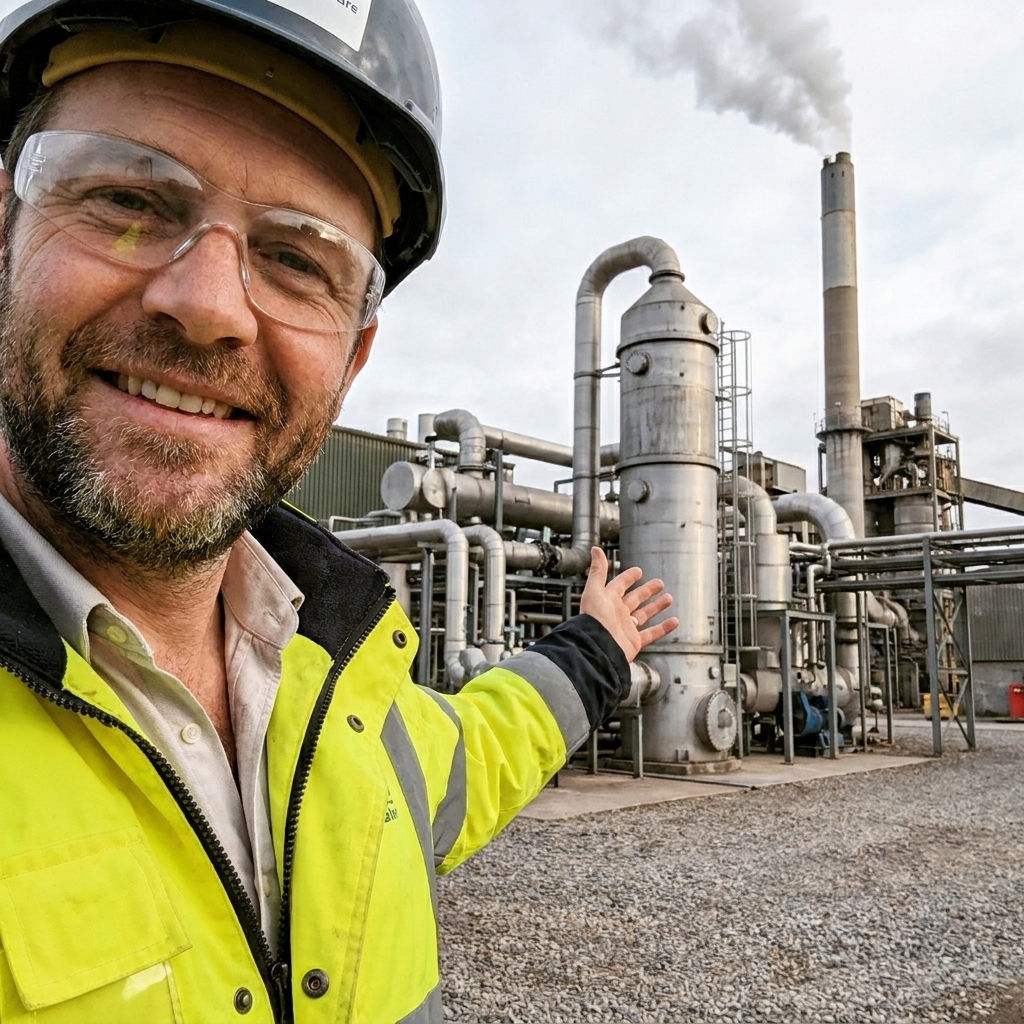
Most exhaust streams are a mix of gases. For example, a fossil fuel power plant flue gas is mostly nitrogen and water vapor, with smaller fractions of CO2 and oxygen. Capturing CO2 means pulling that one ingredient out of a moving, hot, chemically reactive stream without shutting down the whole kitchen.
Post-combustion capture
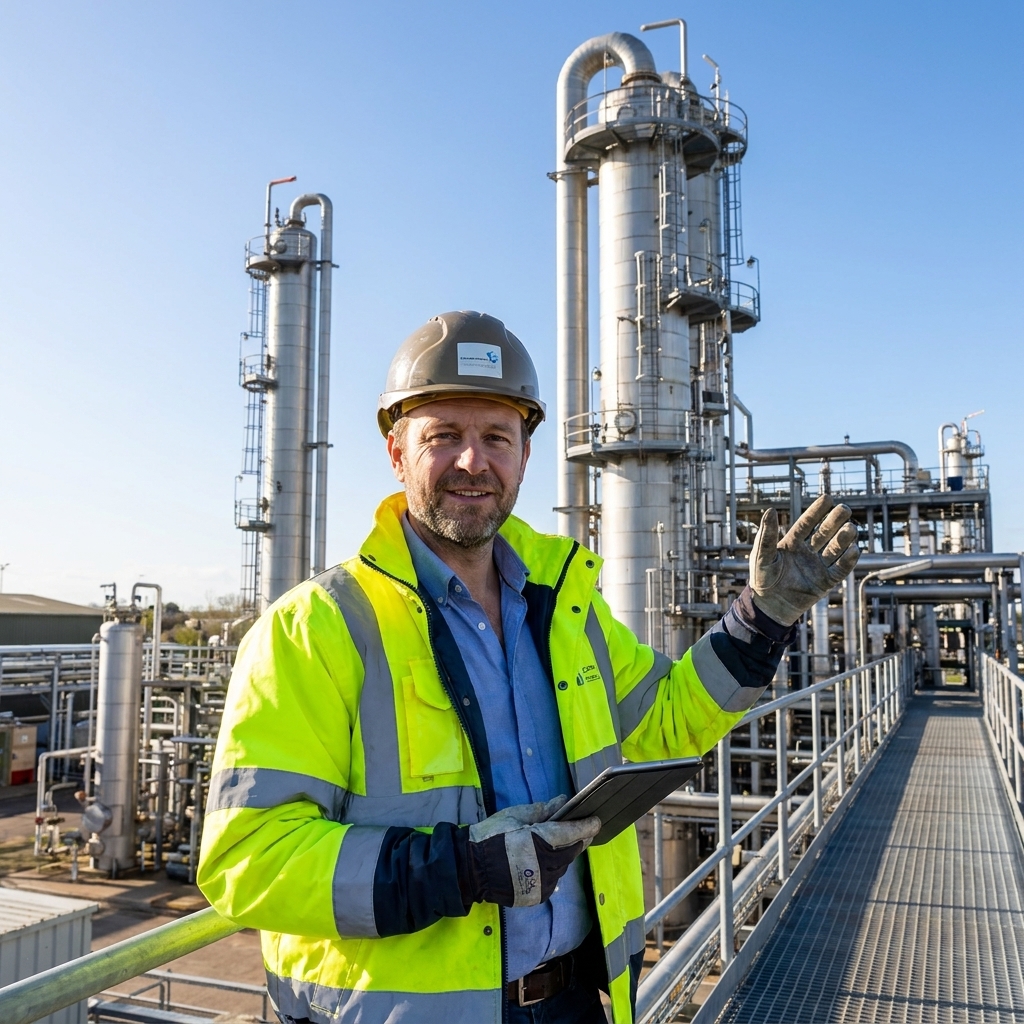
This is the most common mental picture: you burn fuel as usual, then treat the flue gas afterward. A widely used approach involves chemical solvents (often amine-based liquids) that bind to CO2. The flue gas bubbles through the solvent in an absorber column, CO2 sticks to the liquid, and the cleaned gas exits the top.
Then the CO2-rich solvent is heated in a second vessel (a stripper or regenerator). Heat releases the CO2, the solvent is reused, and the CO2 moves on to compression.
The tradeoff: this works, but it costs energy. In a power plant, that energy penalty can reduce net output because you are diverting steam or electricity to run capture and solvent regeneration.
Pre-combustion capture
Instead of capturing CO2 after combustion, you can convert fuel into a mixture of hydrogen and carbon-containing gases, shift the chemistry to make CO2, and then separate CO2 at higher pressures where it is easier to capture. The remaining hydrogen can be burned for energy with no CO2 at the point of use.
The tradeoff: this approach is typically tied to new build designs or major plant overhauls, not simple bolt-ons.
Oxy-fuel combustion
Air is mostly nitrogen, which dilutes flue gas. If you burn fuel in nearly pure oxygen, the exhaust is mainly CO2 and water vapor. Condense the water, and you have a high-CO2 stream.
The tradeoff: producing large amounts of oxygen takes energy and equipment, so the system-level design matters.
Direct air capture
You may also hear about direct air capture (DAC), which pulls CO2 straight from ambient air. DAC is real, but it is generally more energy-intensive because CO2 in air is dilute. CCS is usually about capturing CO2 from concentrated point sources first, where the glitter is thickest.
A bit of numeric grounding: many modern point-source systems are designed to capture a large share of the CO2 in the treated stream. About 90% is a common benchmark for many applications, and higher capture rates are possible, typically with additional equipment, energy use, and cost. Real-world performance depends on the plant, the operating choices, and maintenance. The energy penalty also varies by design and source. For power plant retrofits, it is often cited in the literature as a meaningful hit to net efficiency (commonly discussed in the rough range of about 10% to 30%, but not universal), while some high-purity industrial streams can be much easier to capture.
Step 2: Transporting CO2
After capture, CO2 is typically dried and compressed before it goes anywhere. Drying helps prevent water-related corrosion and hydrate issues in equipment. Compression brings CO2 to dense-phase conditions (sometimes described as supercritical-like behavior), which makes it far more efficient to move through pipelines and easier to handle in storage operations.
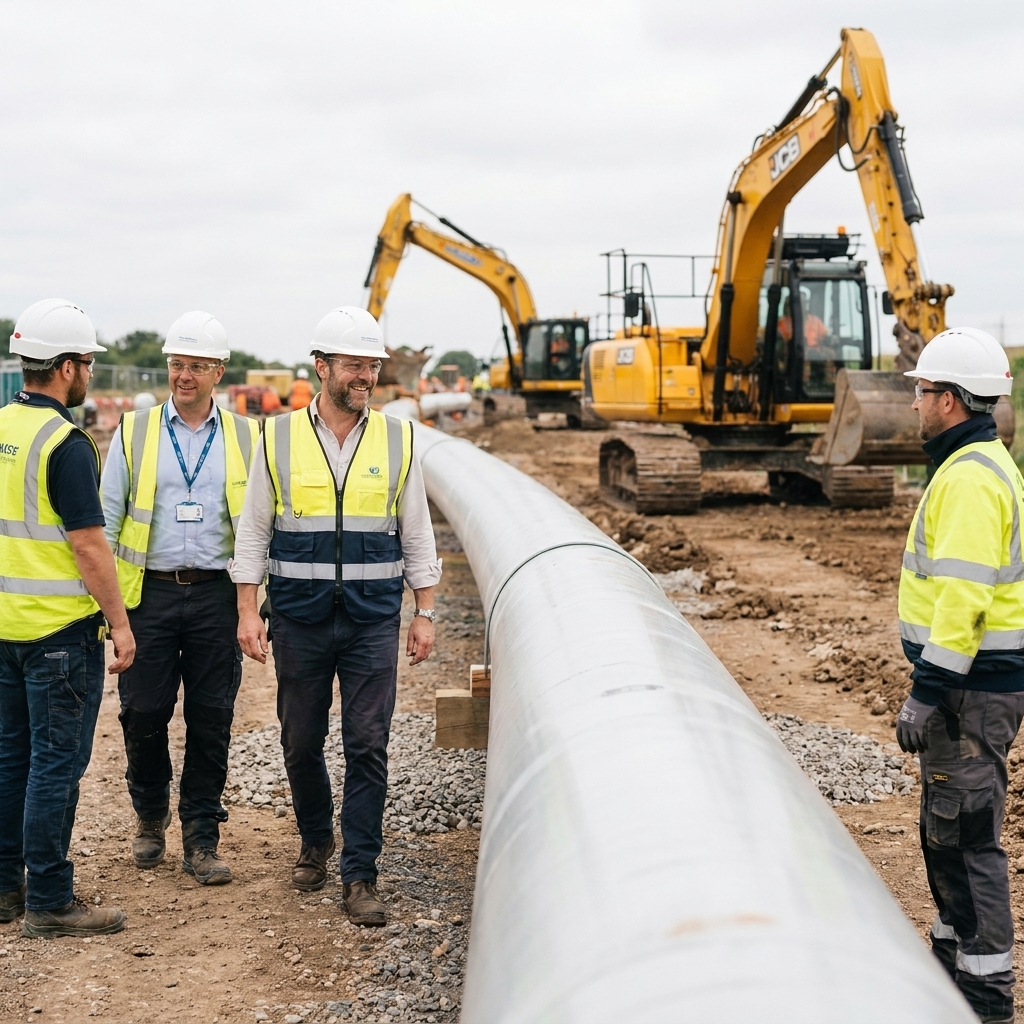
CO2 pipelines have operated for decades, largely serving EOR. Today, there are several thousand miles of CO2 pipelines in the United States, and the exact number shifts over time as projects are built and retired.
Transport options include:
- Pipelines: the workhorse for large volumes over land, typically in dense phase.
- Ships: increasingly discussed for moving CO2 between coastal hubs, typically as a refrigerated liquid, similar to how other liquefied gases are transported today.
- Trucks/rail: practical mainly for smaller pilot projects.
Safety-wise, CO2 is not flammable, but it can be dangerous at high concentrations because it displaces oxygen. That is why transport systems rely on pressure control, leak detection, routing, and emergency planning, similar in spirit to other industrial gas infrastructure.
Step 3: Storing CO2 underground
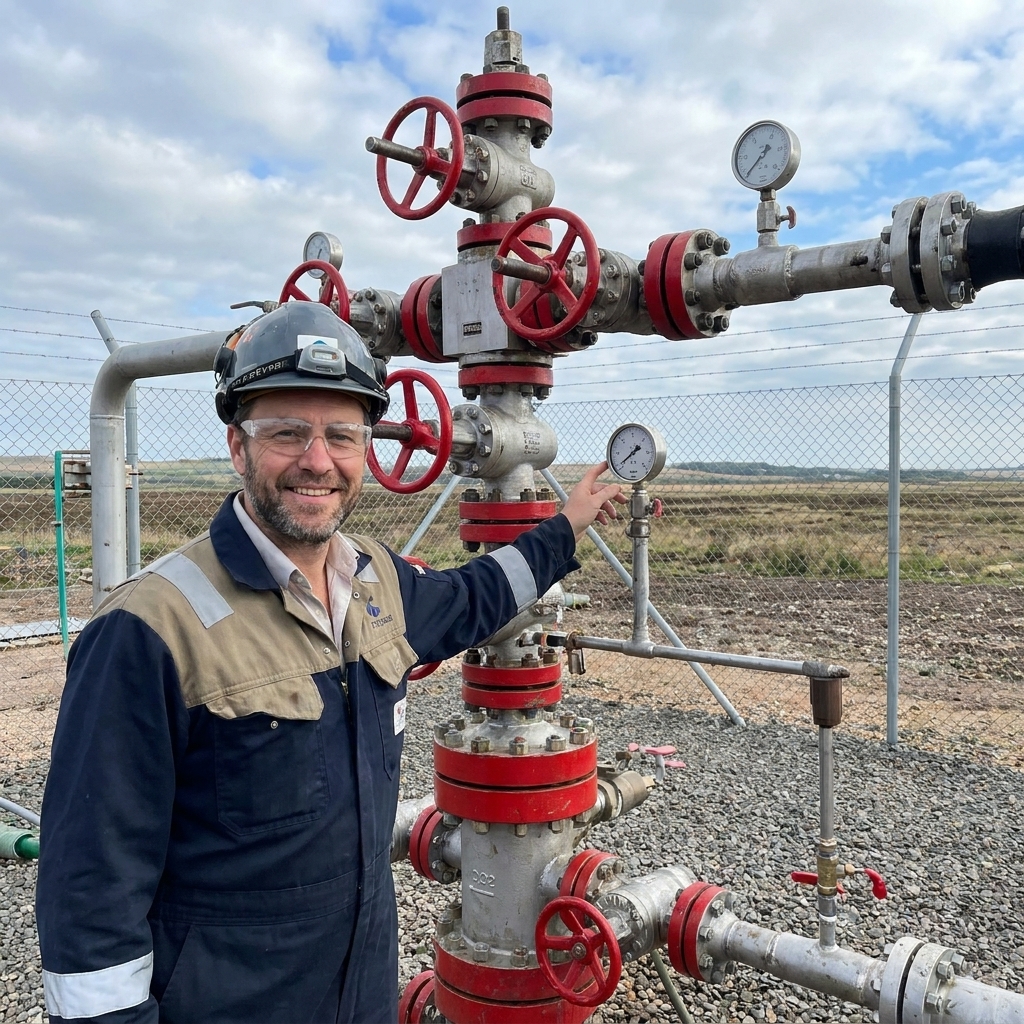
Storage can sound hand-wavy until you picture the geology. We are not talking about a hollow cave being filled like a balloon. The goal is to inject CO2 into porous rock deep underground, where tiny interconnected pore spaces can hold fluids. Above the porous layer sits a caprock, a low-permeability seal (often shale) that acts like nature’s lid.
Where does the CO2 go?
Good storage sites are often deeper than about 800 to 1,000 meters, where pressure and temperature conditions help keep CO2 dense (the exact depth depends on local geology and gradients). Over time, CO2 becomes trapped in multiple ways:
- Structural trapping: CO2 rises until it hits caprock and accumulates in a geologic trap, like oil and gas do.
- Residual trapping: CO2 gets immobilized in pore spaces as disconnected bubbles, like water left in a sponge after you squeeze it.
- Solubility trapping: CO2 dissolves into salty formation water.
- Mineral trapping: dissolved CO2 can eventually react with minerals to form solid carbonates, essentially turning gas into rock over longer timescales.
Common storage formations
- Deep saline aquifers: widespread and generally not used for drinking water due to salinity and depth.
- Depleted oil and gas reservoirs: known geology and existing wells, but wells must be carefully assessed and managed.
Storage is verified with tools like seismic surveys, pressure monitoring, groundwater sampling, and tracking of injected volumes. A good storage project is less like burying a secret and more like running a carefully audited bank account: deposits are measured, the vault is inspected, and the balance is reconciled.
Scale and lifecycle, briefly: projects are often discussed in million tonnes of CO2 per year (MtCO2/yr). And they run through a clear sequence: site screening, detailed appraisal and permitting, injection operations, closure, and post-closure monitoring and stewardship.
Why CCS matters
If the solution to climate change were simply “swap everything to renewables,” I would happily call it a day and go build something nerdy in the backyard. In reality, some emissions come from places where electrons alone cannot do the whole job.
Hard-to-abate industries
Some sectors produce CO2 not just from burning fuel, but from the chemistry of making materials:
- Cement: when limestone (calcium carbonate) is heated, it releases CO2 as it becomes lime. Even a perfectly renewable kiln still faces process emissions.
- Steel and chemicals: many pathways rely on carbon-based reactions and high heat, with CO2 as a byproduct.
CCS can capture emissions at these concentrated sources where alternatives are still developing or expensive.
It can complement clean energy
In power generation, CCS is often framed as a way to reduce emissions from fossil plants, especially where grids need firm power. Whether that is the best use depends on local economics and policy, but the general idea is “keep the lights on while lowering the carbon bill.”
It can enable low-carbon hydrogen
Hydrogen made from natural gas with CO2 captured is sometimes called blue hydrogen. It is controversial, and the climate benefit depends strongly on measured methane leakage, the capture rate across the whole plant (not just a single vent stream), and whether the CO2 is stored with high integrity. Where those conditions are met, it can be a bridge for some industrial uses. Where they are not, it is mostly branding.
Big questions
How much CO2 can CCS capture?
Capture rates depend on the technology and design goals. Many systems target high capture rates, but “high” is not automatically “perfect.” A key point is that CCS performance is measured across the whole chain: capture efficiency, energy penalty, upstream emissions (like methane leakage), and long-term storage integrity.
Will stored CO2 leak back out?
A well-chosen, well-managed storage site has multiple barriers keeping CO2 contained. The biggest engineering concern is often not the rock itself, but wells: old, poorly sealed wells can create pathways if not properly identified and remediated. That is why site characterization, well integrity programs, and ongoing monitoring are non-negotiable.
How do we know it stays underground?
Operators track injected CO2, reservoir pressure, and plume movement, and they monitor surrounding environments. Regulations vary by country and region, but robust frameworks typically require:
- Baseline measurements before injection
- Continuous or periodic monitoring during operation
- Post-closure monitoring for years after injection stops
- Clear responsibility for long-term stewardship
You will also see the term MRV, which stands for measurement, reporting, and verification. In plain English: define what counts, measure it, and make it auditable. For CCS, boundaries matter. A project can look great if you only count one stack and ignore everything upstream and downstream.
Costs and tradeoffs
CCS is not free. You are building extra equipment, using extra energy, and running a high-accountability storage operation. The cost per ton depends heavily on the source:
- Cheaper to capture: high-CO2 streams like some natural gas processing and certain chemical processes.
- Harder to capture: dilute flue gas from power plants, especially older designs.
If you want ballparks, capture costs are often described as tens to over a hundred dollars per ton, depending on concentration, scale, retrofit complexity, and energy prices. Transport and storage add additional cost, and can be modest or significant depending on distance, permitting, and geology.
There are also practical constraints: siting pipelines, community acceptance, permitting timelines, and making sure incentives reward real, verifiable climate benefit instead of paper reductions.
Policy matters here because it creates demand for the service CCS provides. Carbon prices, performance standards, and tax credits can all push projects from “interesting spreadsheet” to “steel in the ground.” The catch is that good policy has to be written around measurement, verification, and long-term responsibility.
CCS is best thought of as a targeted tool: expensive if used everywhere, valuable when aimed at the emissions that are toughest to eliminate.
CCS vs carbon removal
It is easy to blur these two because both involve CO2 and pipes and geology. The difference is the accounting:
- CCS at a smokestack reduces emissions that would have been released.
- Carbon removal pulls CO2 out of the atmosphere (or biosphere) and stores it, reducing the amount already up there.
Both may matter, but they answer different questions. Cutting emissions is like turning down a running faucet. Removal is like bailing water from a bathtub that is already too full. We need to do a lot more of the first, and we may need some of the second for the hardest leftovers.
Where CCS fits best
If you want a quick heuristic, CCS tends to be strongest when these boxes are checked:
- Large, concentrated emissions source (cement, steel, chemicals, refineries)
- Access to suitable storage geology within realistic transport distance
- High capture rate and low upstream leakage with transparent measurement
- Long-term monitoring and liability clarity
CCS is weaker as a blanket justification to keep high-emitting systems unchanged when cleaner alternatives exist and are deployable.
FAQ
Is CCS safe for nearby communities?
Like any industrial system, CCS needs strong safety design and oversight. CO2 is not explosive, but it can be hazardous if a concentrated release occurs in a low-lying area. That is why pipeline standards, leak detection, emergency response planning, and careful siting matter.
Does CCS prolong fossil fuel use?
It can, depending on how it is deployed. The climate value comes from verifiable net reductions and using CCS where alternatives are limited. Many climate pathways include CCS for industrial sources specifically, even while overall fossil fuel use declines.
Can CCS capture 100% of emissions?
In practice, systems have limits, and the full lifecycle matters. The right question is: what capture rate is achieved, what energy is required, what upstream emissions occur, and what storage assurance exists.
What happens if we stop maintaining a storage site?
Well-designed projects plan for long-term stewardship, including monitoring and clear responsibility after closure. Regulations often require financial assurance and post-closure care plans so storage does not become a walk away problem.
The takeaway
Carbon capture and storage is a serious piece of engineering: capture CO2, compress it, move it, and lock it into carefully selected geology that can hold fluids for very long periods, as demonstrated by many natural and industrial analogs. It is not a substitute for clean energy, efficiency, or electrification. But for cement, steel, and other heavy industries, CCS can be one of the few near-term ways to make deep cuts while the rest of the clean-tech toolkit catches up.
If you want to think about it like a former physics teacher, here is the simplest framing: we cannot solve a mass balance problem by hoping the mass disappears. CCS is one way to deliberately move carbon from the air-bound pathway into a stored pathway. Done well, with site-specific characterization and well integrity taken seriously, it buys us time and reduces damage while we decarbonize the rest of the system.