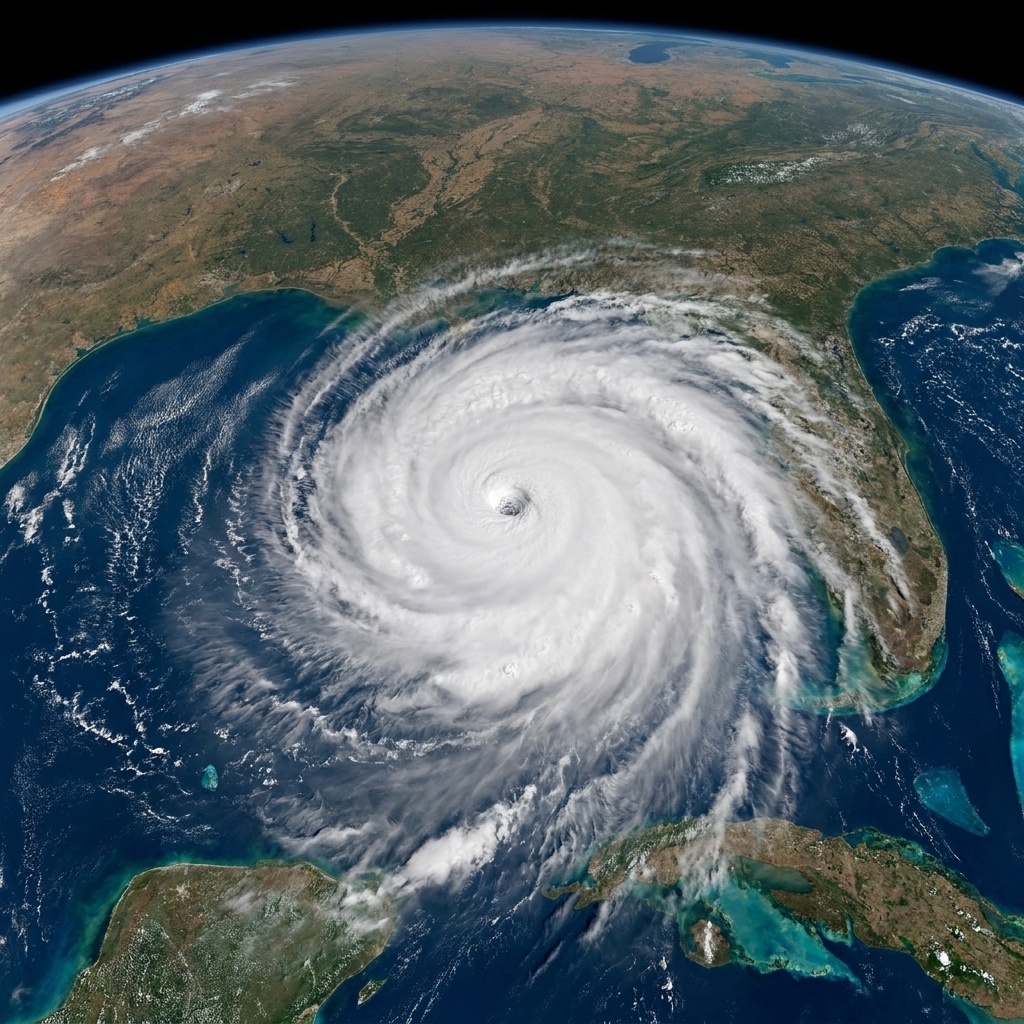
Water feels unlimited right up until it is not. In hydrology and water management, that tipping point is often described as water stress or watershed stress: demand starts to push harder than rivers, reservoirs, and aquifers can comfortably supply. That is not just a faraway drought story. It can mean lower streamflows that warm up faster, shrinking habitat for fish and insects, and groundwater that takes years to recharge.
The good news is that most household water savings come from a handful of predictable places, and the physics is wonderfully tame. Your usage adds up as flow rate × time. Reduce the flow, shorten the time, or stop the leaks, and your bill and your footprint both follow.
Below are seven strategies backed by what we know about fluid flow, heat transfer, soil moisture, and human habits. Pick two to start, and you will feel the difference quickly.
1) Hunt leaks like a hydrologist
In hydrology, a leak is just an unmetered flow path. In a house, it is often a silent one. A running toilet, a dripping outdoor spigot, or a pinhole in an irrigation line can waste a surprising amount of water over a year because the “time” part of the equation never stops.
What to do
- Do a 10-minute meter test: Turn off all water inside and outside, then watch your water meter. If the leak indicator moves, you have continuous flow somewhere.
- Check toilets first: Add a few drops of food coloring to the tank. If color appears in the bowl within 10 to 15 minutes without flushing, the flapper is leaking.
- Inspect outdoor lines: Walk irrigation zones and look for soggy spots, bubbling, or uneven spray patterns.
What “a lot” can look like: Even slow, steady leaks add up. EPA WaterSense notes that common household leaks can waste significant water over time, and a running toilet is one of the usual suspects.
Why it works (the science bit): Even a small opening can pass a surprising amount of water because flow through an orifice increases with pressure. Municipal systems keep your household pressure fairly steady, so a tiny leak becomes a steady stream over time.
2) Upgrade fixtures with lower flow
If you only remember one hydrology-friendly idea, make it this: reduce flow without reducing function. Modern fixtures do that through better aeration, spray patterns, and valve design.
High-impact swaps
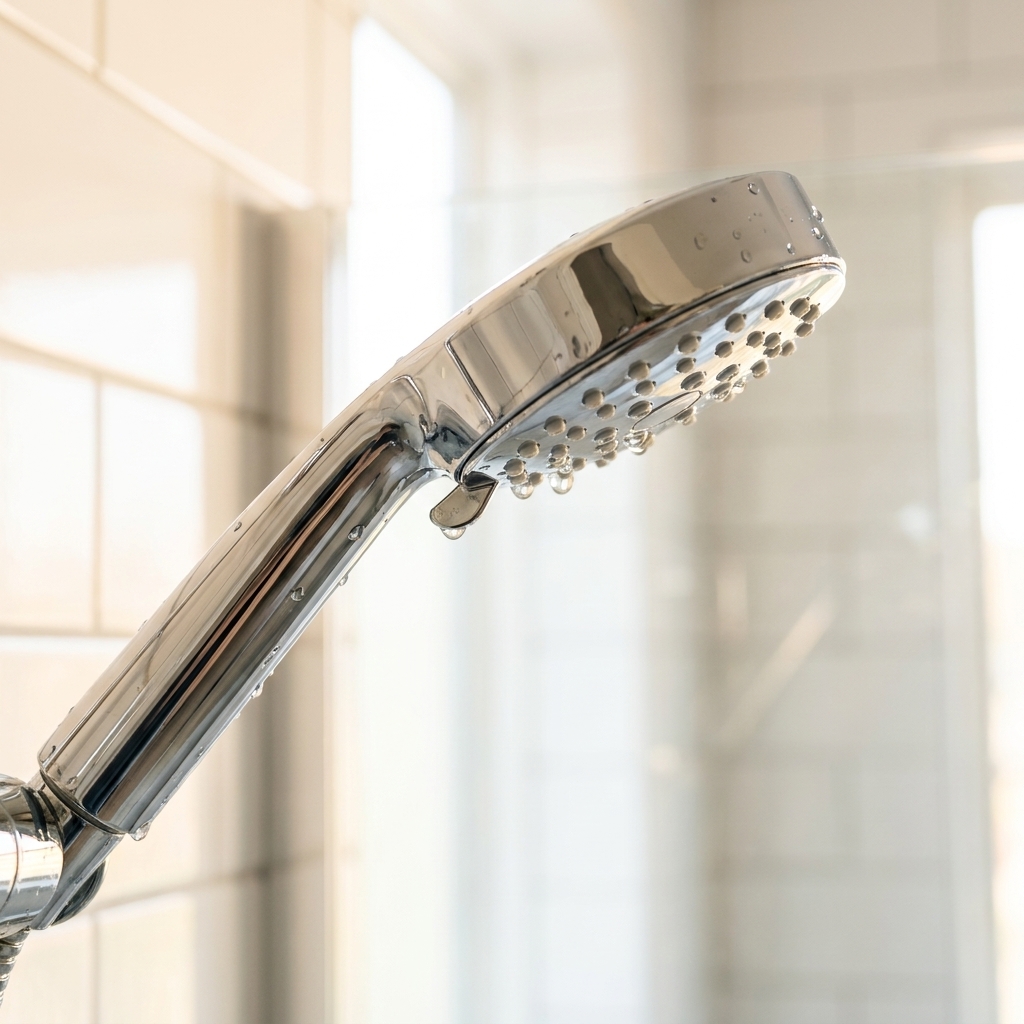
- Showerheads: In the U.S., the federal maximum is 2.5 gallons per minute (gpm). Many efficient models land around 1.5 to 2.0 gpm, and EPA WaterSense-labeled showerheads are typically 2.0 gpm or less.
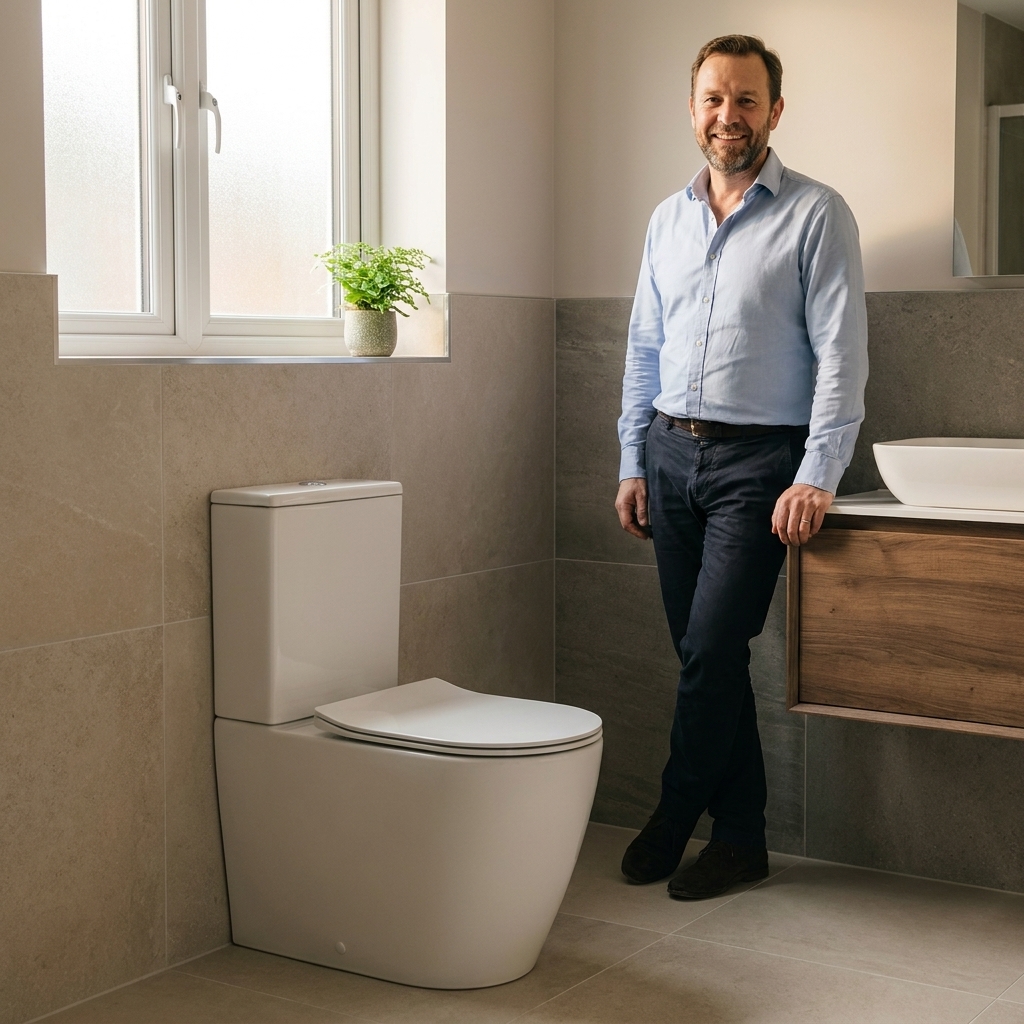
- Toilets: Many older toilets use 3.5 gpf or more, and very old models can be higher. Modern high-efficiency and well-designed dual-flush options can cut that substantially.
- Faucet aerators: A simple aerator can drop a bathroom faucet from about 2.2 gpm to roughly 1.0 to 1.5 gpm. WaterSense-labeled bathroom faucets are typically 1.5 gpm or less.
Why it works: Your water use here is literally flow rate × time. Cutting flow rate is like turning down the faucet on the whole behavior, even when your routine stays the same.
Quick bonus: Check for WaterSense labels and local utility rebates. Many cities will help subsidize the swaps that move the needle fastest.
3) Cut the hot-water wait
Many homes waste water before you even start using it, especially in winter: you run the tap waiting for hot water. That water is clean and treated, and it goes straight down the drain because your pipes act like a long, skinny cooling coil.
What to try
- Insulate hot water pipes: This slows heat loss so hot water stays warmer in the line between uses. In many homes, that can shorten the wait at the tap, although results vary with pipe length and usage patterns.
- Reduce wait time at the source: If a bathroom is far from the heater, consider a demand-controlled recirculation pump or a point-of-use water heater, depending on budget and home layout.
- Capture the warm-up water: Keep a pitcher or bucket under the tap and use it for plants (if appropriate), cleaning, or a quick rinse task. If you use it for pets, use a clean container and do not let it sit out for long.
Why it works: Heat transfer from hot water to cooler pipe walls and surrounding air is relentless. Reduce that heat loss, and you reduce the “flush out the cold water sitting in the pipe” ritual that quietly adds up.
4) Water outdoors by soil, not habit
In many regions, outdoor irrigation is the biggest chunk of household use. And here is the hydrology punchline: plants do not drink minutes, they drink moisture in the root zone. Water that falls faster than the soil can absorb becomes runoff. Water that goes deeper than roots becomes deep percolation, which may help groundwater in some contexts, but it does not help your plants and it still counts on your bill. In some soils and settings, excess deep percolation can also move nutrients or salts where you do not want them.
Science-backed moves
- Water early: Morning irrigation reduces evaporative losses compared with hotter, windier parts of the day.
- Use cycle and soak: Break one long session into shorter cycles with pauses so water infiltrates instead of running off.
- Target roots: Drip lines and soaker hoses deliver water where plants can use it, with less evaporation than sprinklers.
- Fix sprinkler waste: Replace broken heads, straighten tilted nozzles, and adjust spray so it hits plants, not sidewalks and driveways.
- Let data drive: Weather-based or soil-moisture smart controllers can reduce overwatering by responding to actual conditions .
Why it works: Infiltration rate depends on soil texture, compaction, and organic matter. If application rate exceeds infiltration, gravity and slope do what they always do: send water away.

5) Make soil store more water
Hydrologists love anything that increases storage. In a watershed, wetlands and healthy soils store water and release it slowly. In your yard, mulch and organic matter do the same job on a smaller stage.
Ways to boost soil storage
- Add mulch: A 2 to 4 inch layer reduces evaporation, moderates soil temperature, and softens the impact of rain so water infiltrates better.
- Build organic matter: Compost improves soil structure, boosting the soil’s ability to hold water in pore spaces.
- Choose climate-fit plants: Native and drought-tolerant species often need less supplemental water once established because they match local rainfall patterns and seasons.
- Optional add-on: If allowed where you live, rain barrels can capture roof runoff for later use on gardens.
Why it works: Water in soil is held by capillary forces and the geometry of pore spaces. Organic matter increases the number of tiny pores that store plant-available water, stretching the time between irrigation cycles .
6) Run appliances like a systems engineer
Hand-washing feels thrifty because it is tactile. But in many households, modern dishwashers can be very water-efficient per place setting, especially when you run full loads and skip the pre-rinse.
Better routines, same life
- Run full loads: A half-full machine wastes the fixed base water each cycle.
- Skip pre-rinsing: Scrape solids into the trash or compost, then let the machine do its job.
- Use appropriate cycles: Eco modes typically use less water and heat, trading time for efficiency.
- For laundry: Wash cold when possible and match water level to load size. High-efficiency washers generally use less water per pound of clothes.
- Look for labels and rebates: ENERGY STAR appliances often pair energy savings with lower water use, and utilities sometimes offer incentives.
Why it works: Appliances have a baseline water use per cycle. Maximizing the amount of work you get from that baseline is classic efficiency: more cleaning per gallon.

7) Make waste visible
The hardest part of saving water is that you cannot see most of it. Electricity comes with a flicker of light, gasoline comes with a gauge, but water disappears into pipes like a magic trick. So the best behavioral strategy is the one that makes consumption concrete.
Pick one visibility habit
- Time showers: Choose a song, set a timer, or aim for a consistent target like 5 to 7 minutes.
- Turn off taps between tasks: Brush teeth, shave, or scrub dishes with the water off, then rinse intentionally.
- Track weekly usage: Many utilities and smart meters show daily or weekly patterns. Watching the trend is surprisingly motivating.
Why it works: Behavior changes stick when feedback is frequent and specific. In psychology terms, you are tightening the loop between action and outcome. In hydrology terms, you are finally seeing the flow.
If you want a simple starter challenge: fix one leak, install one aerator, and adjust outdoor watering by one day per week. Those three moves alone often produce a noticeable drop.
Quick home water checklist
- Water meter test completed
- Toilet dye test completed
- Showerhead flow rate checked or replaced
- Faucet aerators installed in bathrooms and kitchen
- Looked up WaterSense rebates (if available)
- Outdoor irrigation schedule aligned with weather and season
- Sprinkler heads and nozzles checked for overspray and breaks
- Mulch added where soil is bare
- Dishwasher and laundry run as full loads
FAQ
What saves more water: shorter showers or a low-flow showerhead?
Both help, and they stack. A low-flow showerhead reduces gallons per minute. Shorter showers reduce minutes. Multiply them together and you get the real win: fewer gallons per shower.
Is it bad to let my lawn go a bit brown in summer?
For many grass types, a temporary summer dormancy is a normal survival strategy. If local rules allow it, reducing irrigation during peak heat can save a lot of water. The key is to keep trees and high-value plants appropriately watered, since they take longer to recover from stress.
Does watering at night always waste less water?
It often reduces evaporation, but it can raise plant disease risk in some climates by keeping leaves wet longer. Early morning is a common sweet spot: cooler air, low wind, and time for foliage to dry.
Will efficient fixtures actually lower my bill?
In most pricing structures, yes. You pay for the volume delivered, and often for wastewater treatment too. Cutting indoor use usually reduces both.
Where can I verify fixture and leak numbers?
EPA WaterSense and many local utilities publish practical ranges for leaks, shower flow rates, and fixture performance, along with rebate programs.