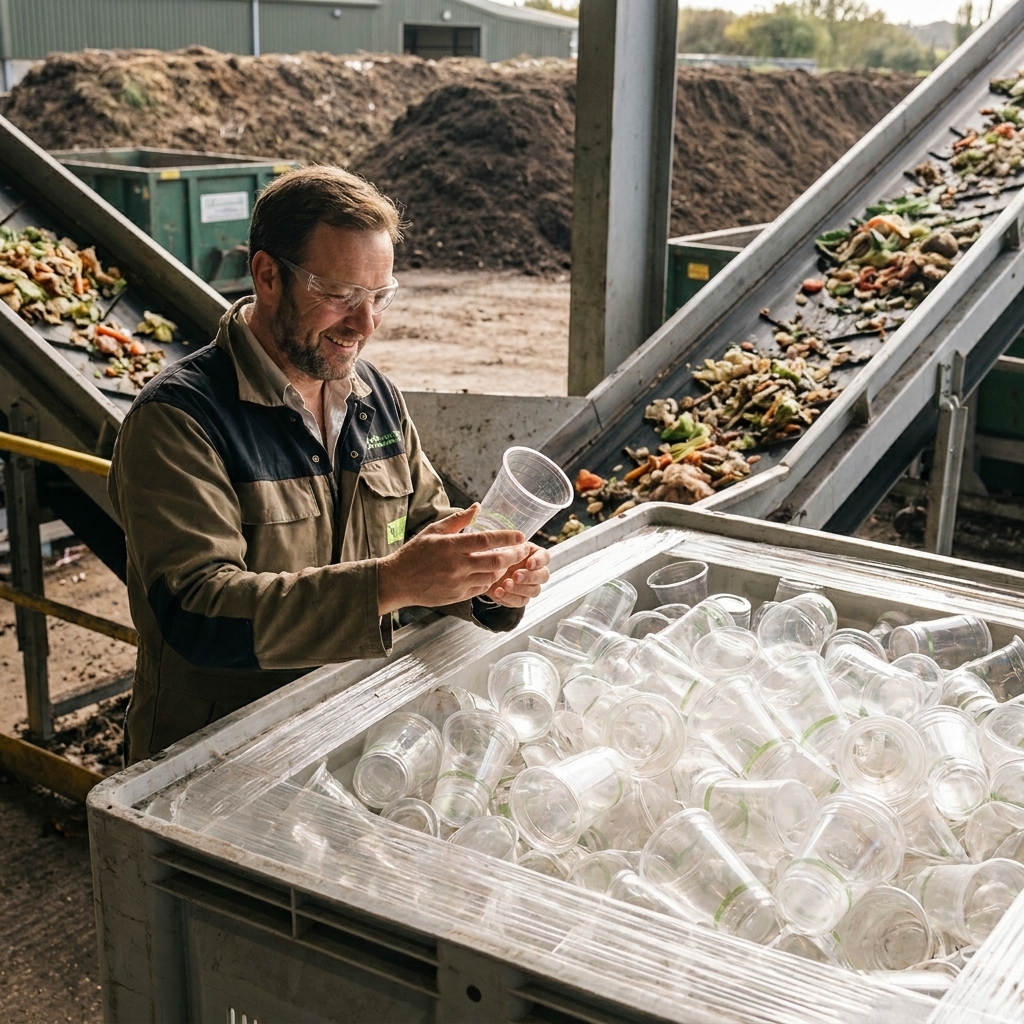
Recycling has a reputation for being both virtuous and confusing, sometimes in the same five seconds. One neighbor swears you must peel every label. Another says it all ends up in a landfill anyway, so why bother.
Material scientists look at recycling less like a moral test and more like a manufacturing problem: can we take a messy mix of stuff and reliably turn it into high-quality raw material again? The answer depends on chemistry, heat, contamination, and yes, local infrastructure.
One quick term, since you will hear it: a materials recovery facility (MRF) is the plant where mixed recyclables are sorted into usable streams like cardboard, metal cans, and certain plastics.
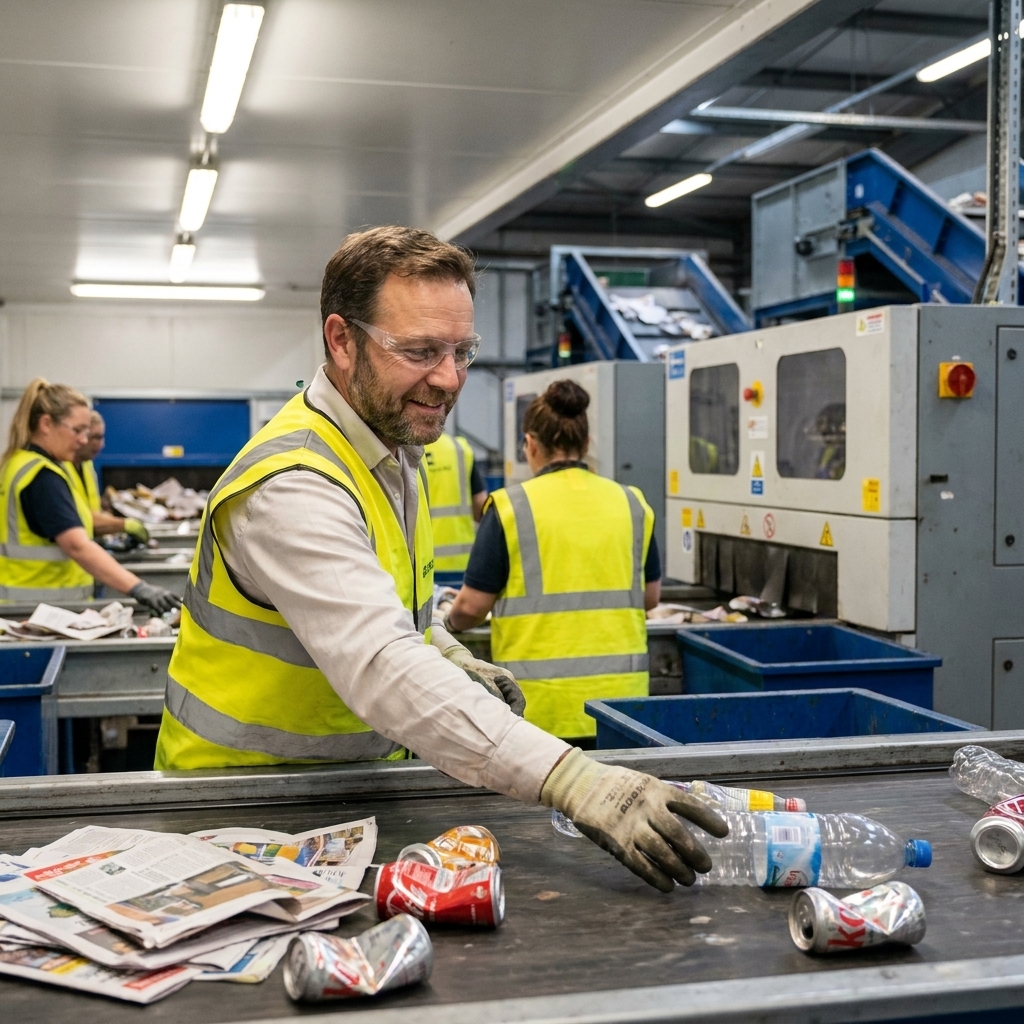
Let’s debunk eight common recycling myths with the kind of practical clarity I used to aim for in my physics classroom, minus the pop quiz.
Myth 1: “If it has the recycling symbol, it’s recyclable.”
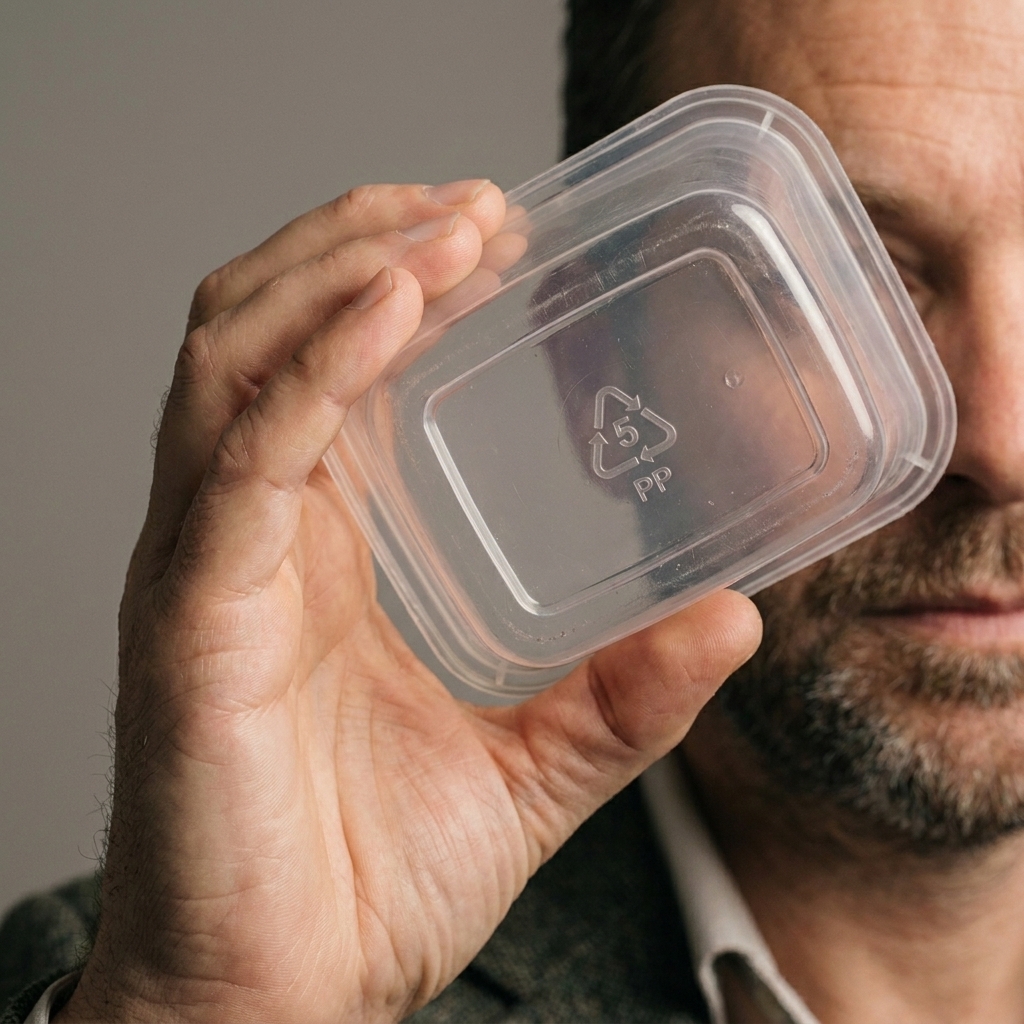
The chasing-arrows symbol is not a promise. On many items, especially plastics, it often indicates the resin type (what kind of plastic it is), not whether your local program accepts it.
What’s happening in the facility: different polymers melt at different temperatures and behave differently when reprocessed. Mixing them is like trying to bake cookies and roast potatoes in the same pan at the same temperature. You get an edible mess at best.
What to do instead
- Check your local program’s accepted list, not the symbol.
- When in doubt, prioritize common “bottle and jug” shapes. They are easier to identify and sort reliably.
Myth 2: “All plastics with a number (1 through 7) are handled the same.”
Those numbers can lull us into thinking plastics are neatly organized. In reality, the resin code is a rough label, not a guarantee of recyclability.
For example, #1 PET is often recycled when it is a clear beverage bottle. But a black PET tray, a thermoformed PET clamshell (plastic shaped from a thin sheet), and a PET bottle do not always behave the same way in sorting equipment or in reprocessing.
Why shape matters
Recycling facilities do not “read” plastic like we do. They rely on a mix of screening (size and shape), air jets, magnets, eddy currents, and optical sensors. A flat lid can ride a different pathway than a rigid bottle even if both are technically similar plastics.
Myth 3: “You have to wash everything spotless.”
You do not need to perform a dishwashing ritual over a peanut butter jar. You do need to avoid sending containers that are dripping with food or full of liquid.
The engineering constraint: the biggest enemy is contamination that spreads. Food residue can soak into paper fibers, attract pests, and create odors. Liquids can ruin paper bales and make cardboard unusable. Oils (think salad dressing) are especially good at creeping into paper and weakening the final pulp.
A simple rule most programs aim for
- Empty it.
- Quick rinse if it is easy.
- Let it drip dry for a moment if you can.
If cleaning a container requires hot water, soap, and significant effort, you are spending valuable resources for a small recycling gain. A quick rinse is the sweet spot.
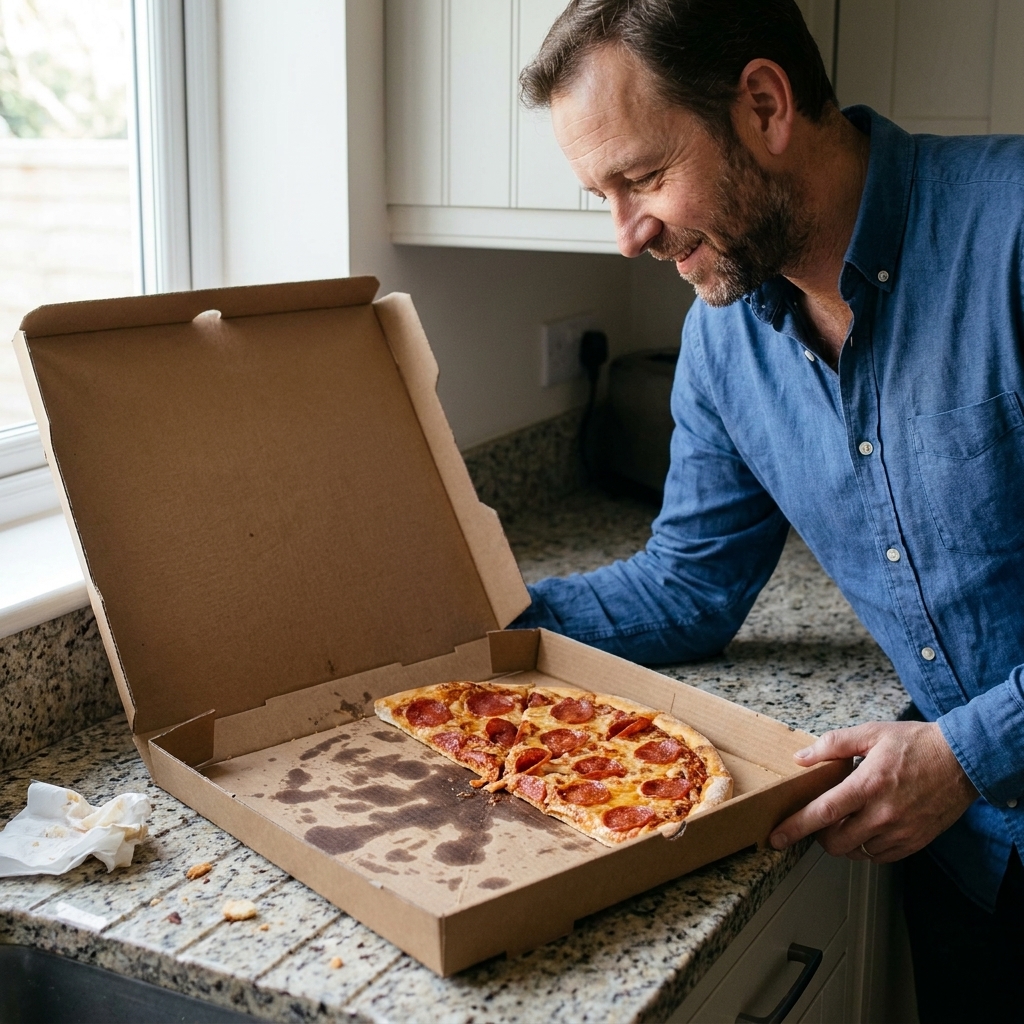
Myth 4: “Greasy pizza boxes are always trash.”
This myth is half true, which is why it sticks. Paper recycling depends on clean, strong fibers. Grease can interfere with pulping and can stain the final paper product.
Some facilities can handle a small amount of grease, but guidance varies widely by city and by what local paper mills will accept. When your local program says “no greasy boxes,” that is the rule that matters.
Split the box
- Clean lid and sides: often recyclable if your program accepts pizza boxes.
- Greasy bottom: compost if your city accepts food-soiled paper, otherwise trash.
If you have curbside composting, that greasy cardboard is often better biology project material than recycling feedstock.
Myth 5: “Glass is always the best thing to recycle.”
Glass is wonderfully recyclable in theory because it can be remelted many times. In practice, it is heavy to transport and can break into tiny shards that contaminate other materials during collection and sorting.
Why the math varies: remelting glass takes high heat, and the net energy and emissions benefits can depend on local factors, like how far it must travel and whether the facility can produce clean “cullet” (crushed recycled glass) without too much contamination. Where stable cullet markets exist, glass recycling can work very well.
What this means for you
- If your program accepts glass, recycle it. Try to keep it from shattering in the bin.
- Do not toss ceramics, Pyrex, or drinking glasses into glass recycling unless your city explicitly says yes. Their compositions differ and they can cause defects in new glass.
Myth 6: “Compostable or biodegradable plastics belong in recycling.”
This one causes real trouble. “Compostable” plastics (often PLA or similar materials) are designed for industrial compost conditions, not recycling systems. “Biodegradable” is even murkier and can refer to materials that break down only under specific conditions, or over a long time.
What can go wrong: compostable polymers can contaminate conventional plastic streams because they melt and degrade differently. A little bit of the wrong polymer can weaken a recycled batch, which matters when manufacturers need predictable material properties.
Best practice
- Only put compostables in compost if your local compost facility accepts them.
- If you do not have an accepted compost stream, they usually go in trash, frustrating as that feels.

Myth 7: “Caps must be removed (or caps must stay on) in every case.”
This is the recycling version of asking whether you should crack eggs on a flat surface or an edge. Both camps have reasons, and the correct answer depends on your facility.
Here is the materials reality: many caps are made from a different plastic than the bottle (often polypropylene), and small loose caps can fall through sorting screens and become residue. Some facilities want caps on to reduce losses. Other facilities want them off because caps can be mis-sorted, or because mixing cap plastic with bottle plastic is not desired for their end markets.
A safe guideline
- If your program says to keep caps on, do so after emptying and a quick rinse.
- If your program says remove them, follow that. And unless your program has a specific path for loose caps, the simplest move is often to trash the cap rather than recycling it loose.
Translation: the “right” answer is local engineering, not universal etiquette.
Myth 8: “It all ends up in a landfill anyway.”
I get why this myth is emotionally sticky. Recycling markets fluctuate. Some materials are harder to process. Some loads are contaminated and get discarded.
But “sometimes imperfect” is not the same as “always pointless.” When recycling works, it reduces demand for virgin raw materials and can cut energy use, especially for aluminum. Aluminum recycling is the superstar here because remelting recycled aluminum typically uses far less energy than producing it from ore.
Why recycling fails
- Contamination: food, liquids, bagged recyclables, and non-recyclable items mixed in.
- Wish-cycling: tossing in “maybe” items that gum up sorting and lower bale quality.
- Local limitations: not every city has access to the same processors and end markets.
The most helpful mindset is: recycle what your program can actually process, keep it reasonably clean and dry, and avoid turning the bin into a “maybe pile.” That protects the system for everyone.
Cheat sheet
If you only remember a few rules, make them these:
- Empty, clean-ish, and dry beats spotless.
- When in doubt, check your local list. Recycling is infrastructure-dependent.
- Do not bag recyclables unless your program explicitly says to. Some multi-family buildings and some local systems do require bagging, so defer to local guidance.
- Aluminum cans are a high-impact yes.
- Keep “maybe” items out. Even a small amount of the wrong items can downgrade a whole bale.
High-impact “no” items
- Tanglers: hoses, cords, strings of lights, clothing and textiles. They wrap around sorting equipment.
- Batteries: especially lithium. They can start fires in trucks and facilities.
- Pressurized cylinders: propane canisters and similar. These are safety hazards and require special disposal.
Quick FAQ
Should I recycle plastic bags in my curbside bin?
Usually no. Bags and stretchy film wrap around spinning screens like seaweed on a boat propeller. Many grocery stores run separate film collection programs, but only if the film is clean and dry.
Are there other tanglers besides bags?
Yes: cords, hoses, clothing, and even long ribbons. If it can wrap around your vacuum brush, it can wrap around MRF equipment. Keep tanglers out unless you are using a dedicated textile or specialty drop-off program.
What about shredded paper?
Often not curbside-friendly because the pieces are too small and behave like confetti in sorting systems. Some programs accept it if you bag it in a specific way, others want it composted, and others want it trashed. Check local rules.
What about paper coffee cups?
Most disposable cups are paper with a thin plastic lining. That lining makes them difficult to pulp in standard paper systems. Some specialty mills can handle them, but many curbside programs cannot. Check local guidance.
Do I need to remove labels from bottles and jars?
Usually no. Many processes can handle common labels and adhesives. Focus on emptying and a quick rinse instead.
Recycling is not magic. It is applied materials science under messy real-world conditions. The more we align our habits with what sorting equipment and reprocessors can actually handle, the more often that blue bin turns into new stuff instead of a costly detour.