If you have ever watched onions turn sweet and golden, seen bread puff in the oven, or tasted the bright tang of yogurt, you have witnessed chemistry doing its quiet, delicious work. Kitchens feel cozy, not clinical, but at the molecular level they are full of tiny rearrangements: bonds breaking, bonds forming, gases expanding, proteins unfolding, and acids and bases negotiating peace treaties.
Below are 10 chemical reactions and reaction-driven processes that show up constantly in everyday cooking. I will keep the vocabulary friendly, but I will not sand off the science. Think of this as a guided tour of the most flavorful lab you own.
One quick note on browning: in real food, it is often a team sport. The Maillard reaction and caramelization can overlap, and at very high heat you can also get a bit of charring and pyrolysis. The good news is you do not need to memorize the lineup to cook better, you just need to know what each player likes.
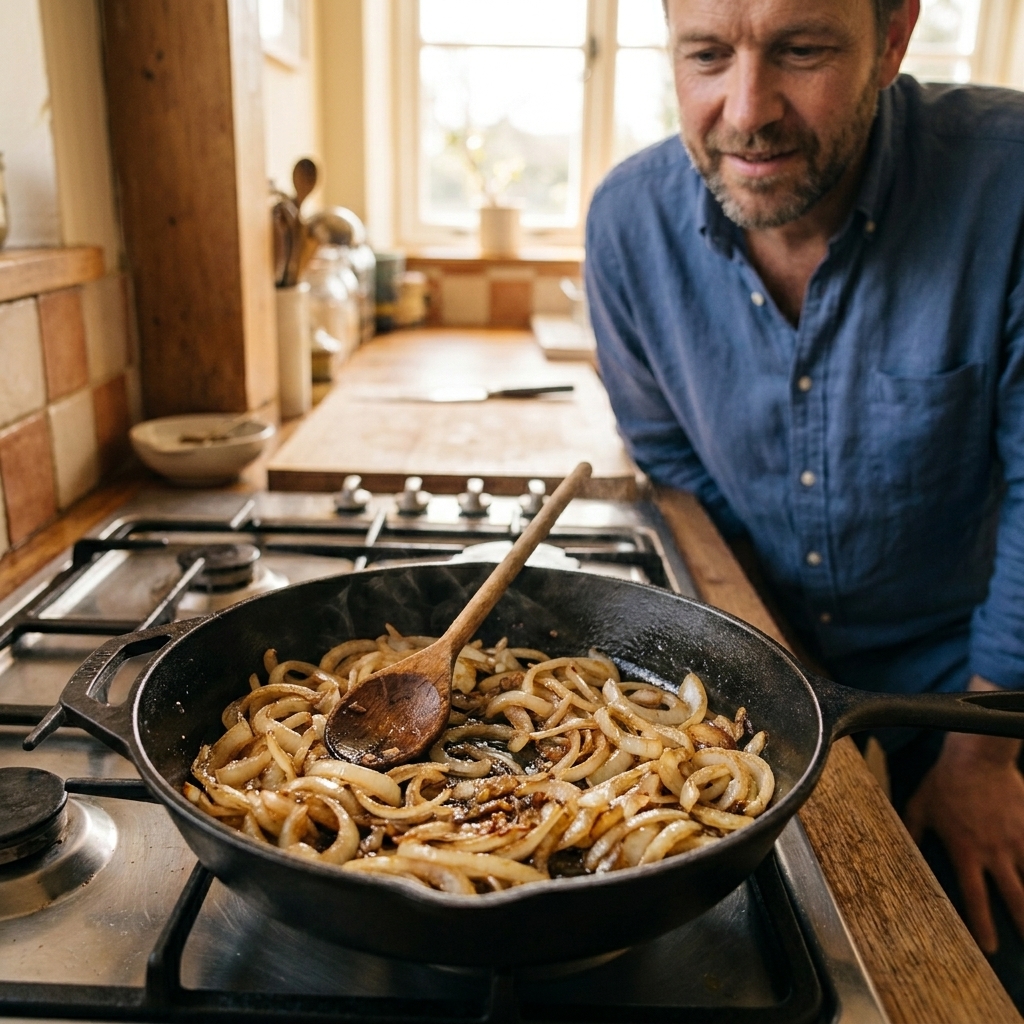
1) The Maillard reaction (browning that tastes like dinner)
That deep, savory browning on seared steak, toasted bread, roasted coffee, and golden fries mostly comes from the Maillard reaction. It is a network of reactions between amino acids (from proteins) and reducing sugars that creates hundreds of new flavor and aroma molecules.
How to spot it
- Toasty, nutty, roasty aromas
- Brown crusts on bread, meats, and roasted vegetables
- Color deepens faster on dry surfaces
How to use it
Maillard loves heat and relatively dry surfaces. Pat food dry, preheat the pan, and avoid crowding so steam does not sabotage browning. Once food hits the pan, give it time. If you move it too soon, you can tear the surface and lose the deep sear you are trying to build. A small pinch of baking soda can speed browning by raising pH, but go easy or you will taste it.
2) Caramelization (sugar’s slow costume change)
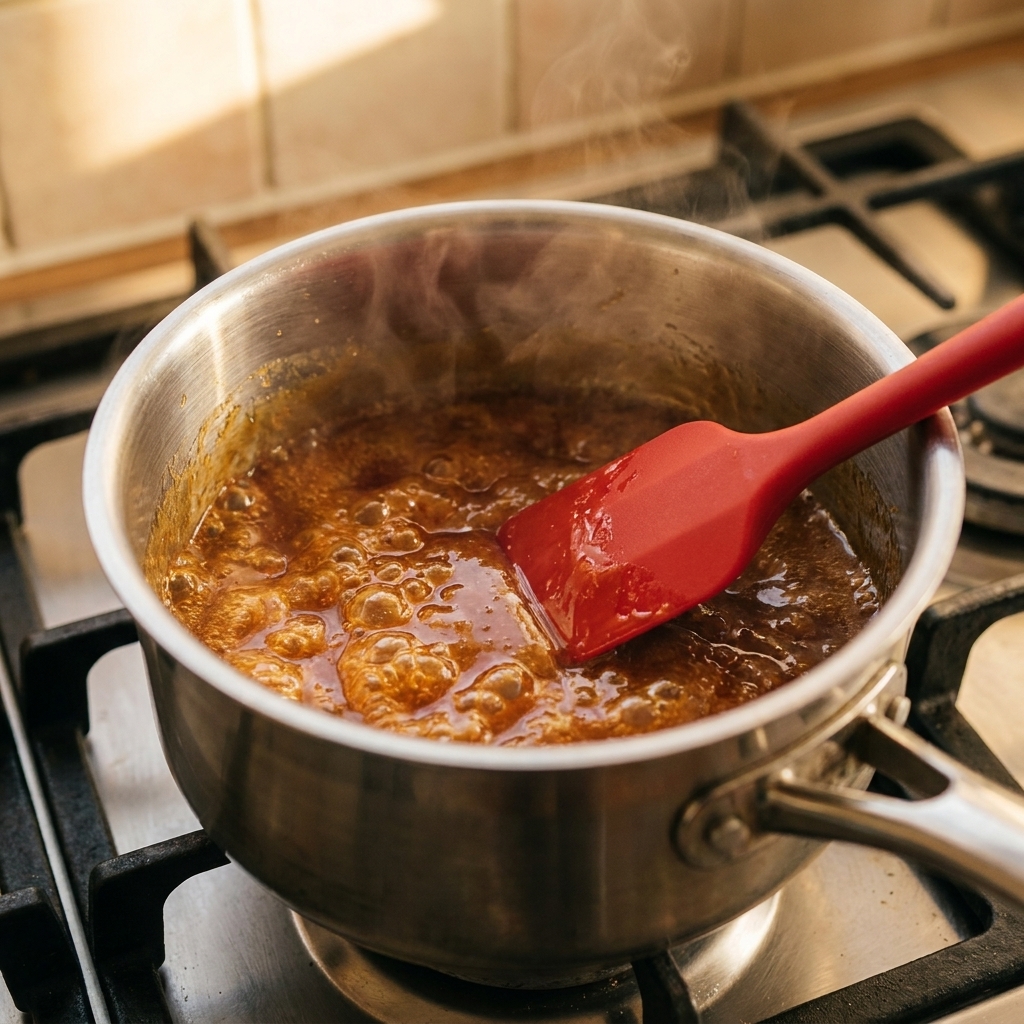
Caramelization is what happens when sugars are heated enough to break down and rearrange into new compounds that taste buttery, nutty, and complex. Unlike Maillard, caramelization does not require proteins. It is sugar chemistry doing a solo.
Where it shows up
- Caramel sauce and brittle
- The brûléed top of a crème brûlée
- Sweet, toasty notes in very slowly cooked foods once moisture is mostly gone
How to use it
Caramelization needs time and controlled heat. If your sugar is burning before it browns, your pan is too hot or too thin. A splash of water can help dissolve sugar crystals early on, but once browning starts, resist stirring too aggressively or you can encourage recrystallization.
A quick onion nuance: onions brown through a mix of reactions. They start out wet, so you are mostly softening and concentrating sugars. As water cooks off and the surface dries, Maillard reactions kick in strongly, and caramelization can join the party in the hotter, drier spots.
3) Baking soda and baking powder (acid-base bubble factory)
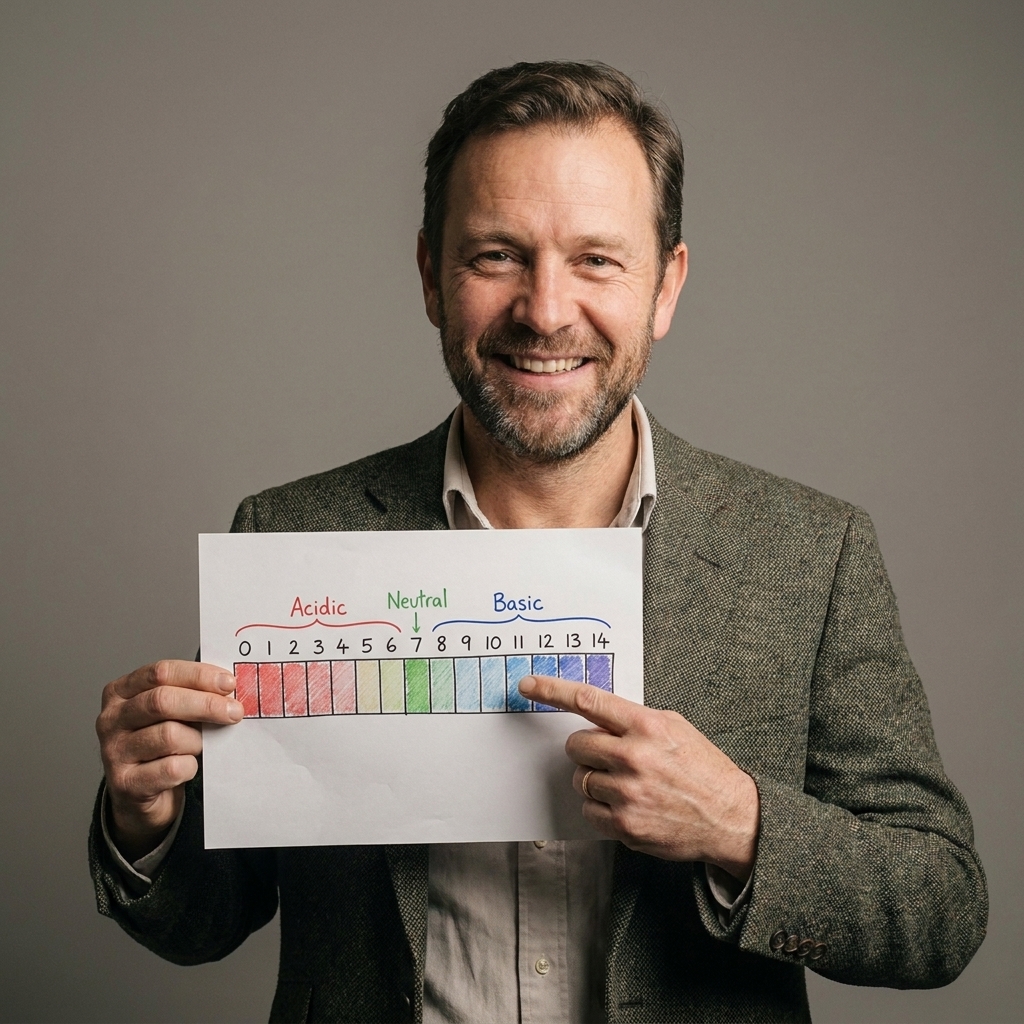
When a cake rises, it is often thanks to carbon dioxide gas produced by an acid-base reaction. Baking soda (sodium bicarbonate) is a base. When it meets an acid such as buttermilk, yogurt, lemon juice, vinegar, or cocoa, it releases CO2. Brown sugar and molasses can contribute some acidity too, but it varies, so many recipes pair them with a more reliable acidic ingredient.
Baking powder contains both a base and dry acids, plus starch to keep them from reacting too soon. Many baking powders are double-acting, meaning they produce some gas when moistened and more when heated.
Why it matters
- CO2 expands with heat, inflating batter like a balloon
- pH changes also affect browning and tenderness
How to use it
If a recipe uses baking soda, it usually needs an acidic ingredient to activate it. Too much soda can leave a soapy taste and a yellowish hue. Baking powder is more self-contained, but it still needs moisture and heat to do its job.
4) Yeast fermentation (microbes exhaling flavor)
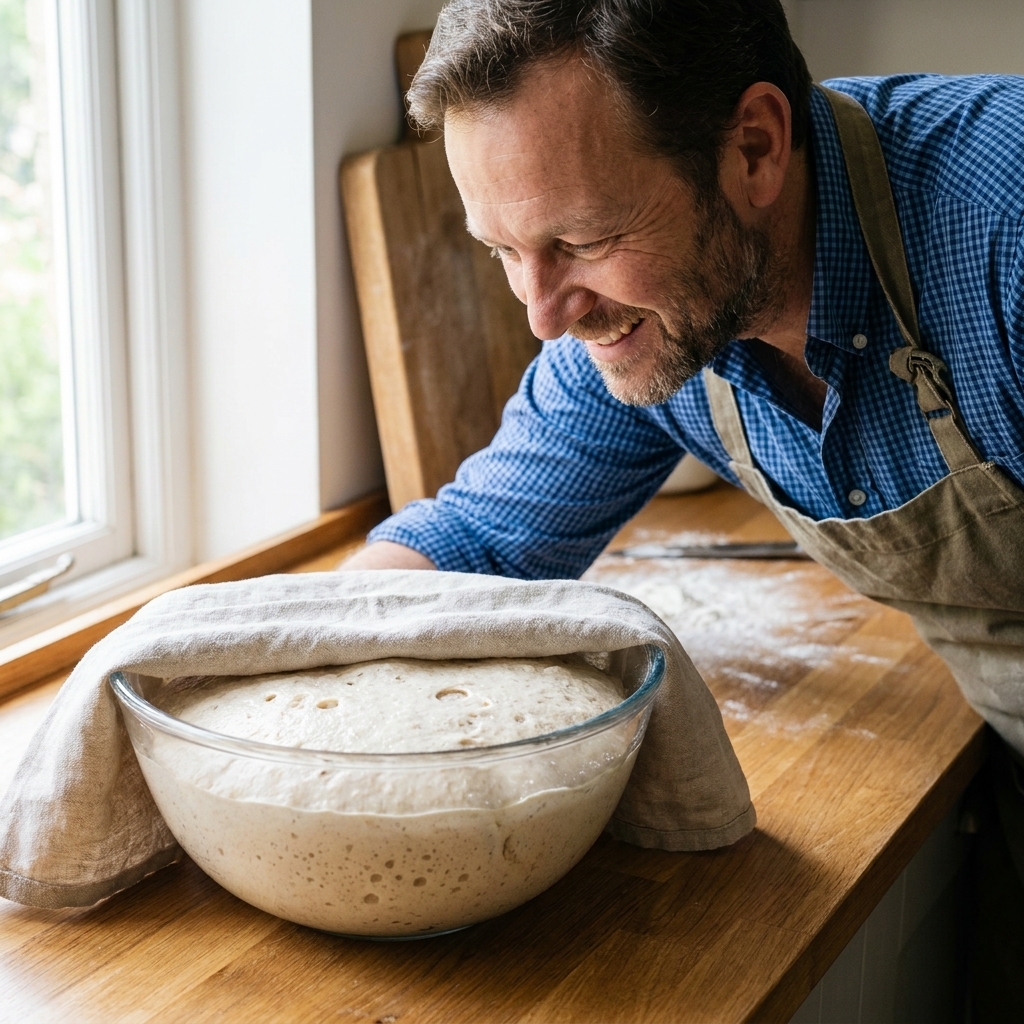
Yeast are tiny living chemists. In bread dough, they eat sugars and perform fermentation, producing carbon dioxide (for rise) and ethanol plus a bouquet of flavorful byproducts. In beer and wine, fermentation is the headline. In bread, it is the behind-the-scenes work that also builds aroma and character. Most of the ethanol evaporates during baking, but the flavor compounds stick around.
What controls it
- Temperature: warmer speeds up, cooler slows down and often improves flavor
- Time: longer ferments build complexity
- Salt: slows yeast and strengthens dough structure
How to use it
If you want better-tasting bread, try a slower rise in the refrigerator. You are giving yeast time to create more of the organic acids and aromatic compounds that make bread taste less like foam and more like, well, bread.
5) Lactic acid fermentation (the tangy, creamy transformation)
Not all fermentation is yeast. In yogurt, kimchi, sauerkraut, and many pickles, lactic acid bacteria convert sugars into lactic acid. That acid drops the pH, creating tangy flavor and making the environment less welcoming to many harmful microbes.
Why it feels like magic
- Milk thickens as proteins behave differently at lower pH
- Vegetables become complex and aromatic without any cooking
- Lower pH plus helpful microbes can inhibit many pathogens, though it does not make food invincible
How to use it
Salt is not just for taste in vegetable ferments. It helps draw out water to create brine and nudges the microbial community toward the bacteria you want. Clean equipment matters, but you do not need sterile. Fermentation is more like gardening than surgery.
6) Protein denaturation and coagulation (why eggs set)
Proteins are long chains folded into specific shapes. Heat, acids, alcohol, or even vigorous mixing can denature proteins, meaning they unfold. Once unfolded, they can link up with one another and coagulate, forming a network that traps water. That is the basic story of scrambled eggs, custards, tofu, and many cheeses.
Everyday examples
- Egg whites turning opaque as they set
- Fish firming as it cooks
- Milk curdling when making paneer
How to use it
Low and slow gives proteins time to set gently, keeping more moisture. Overheating squeezes water out of the protein network, which is why overcooked eggs weep and overcooked chicken breast feels dry.
7) Acid “cooking” (ceviche without heat)
Ceviche looks cooked even though it never meets a flame. The trick is acid. Citrus juice or vinegar changes protein structure enough that the fish becomes firm and opaque. It is similar in spirit to heat-driven denaturation, just with a different tool.
Important safety note
Acid can change texture and appearance, but it does not reliably kill all pathogens or parasites. If you are making ceviche, use fish intended for raw consumption and follow reputable food safety guidance.
How to use it
Acid works faster on small pieces. You can control texture by timing: too short and it is translucent and soft, too long and it can become dry and chalky as proteins tighten.
8) Enzymatic browning (the apple that can’t keep a secret)
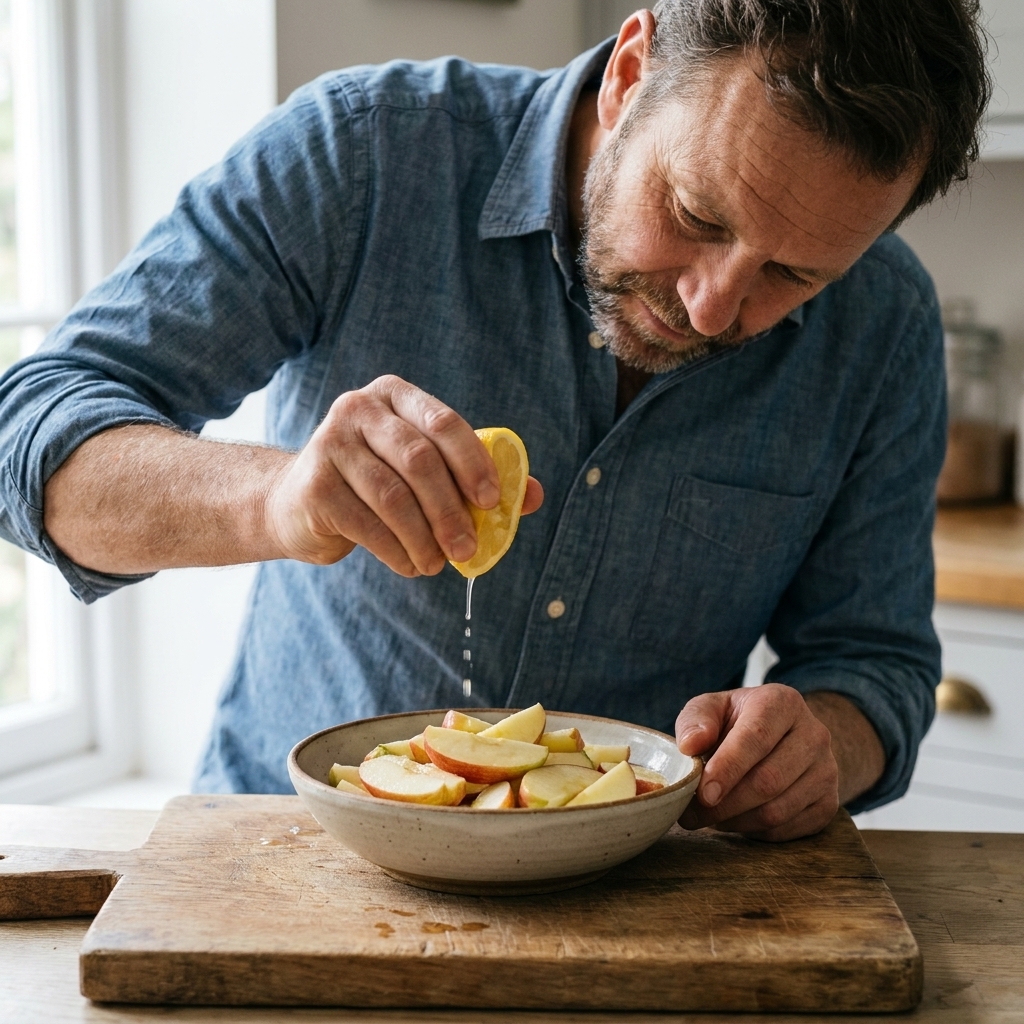
Slice an apple and it turns brown. That is not Maillard. It is enzymatic browning, driven by enzymes such as polyphenol oxidase that help convert certain compounds into brown pigments when oxygen is available.
How to slow it down
- Acid: lemon juice lowers pH and slows the enzymes
- Cold: refrigeration slows reaction rates
- Limit oxygen: cover tightly, or submerge in water briefly
- Heat: blanching deactivates enzymes
- Antioxidants: ascorbic acid (vitamin C) can help by reacting before browning compounds form
It is a nice reminder that “chemical reaction” does not always mean “high heat and bubbling beakers.” Sometimes it is just air meeting a freshly cut surface.
9) Starch gelatinization and retrogradation (pasta softens, bread stales)
Starch granules in foods like rice, pasta, potatoes, and flour are semi-crystalline. When heated with water, they absorb water and swell. This is gelatinization, and it is what turns crunchy starch into that satisfying tender bite.
As cooked starch cools, some of those chains realign and tighten again. That is retrogradation, a key player in bread staling and the firming of leftover rice.
How to use it
- Letting oatmeal or gravy simmer helps starch fully gelatinize and thicken
- Reheating bread can reverse some staling temporarily by loosening starch structures, though moisture loss still matters
- Cooling cooked potatoes or rice can increase resistant starch in some cases, and reheating can reduce that boost depending on method
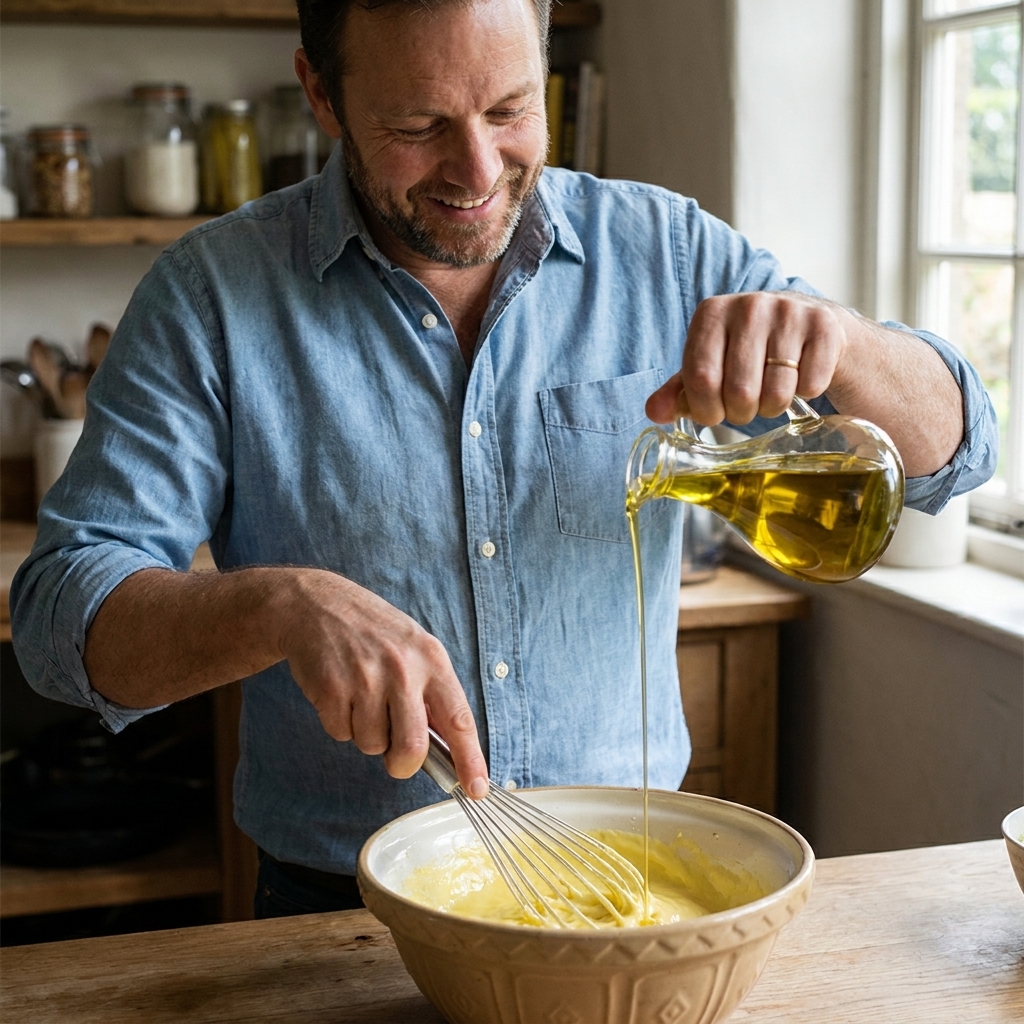
10) Emulsification (making oil and water cooperate)
Oil and water do not naturally mix, but you can persuade them into a stable blend called an emulsion. The chemistry hero here is an emulsifier, a molecule that has one end that likes water and another that likes oil. Egg yolk (lecithin), mustard, and even garlic can help.
Kitchen emulsions you know
- Mayonnaise and aioli
- Hollandaise and béarnaise
- Vinaigrettes that stay mixed longer than they should
How to use it
Start slow: drizzle oil into the water-based phase while whisking hard. You are creating tiny oil droplets wrapped in emulsifier, like microscopic water-friendly raincoats. Room-temperature ingredients tend to cooperate more than fridge-cold ones. If it breaks, whisk in a spoonful of water or an extra yolk in a clean bowl, then slowly incorporate the broken sauce back in.
A quick kitchen cheat sheet
- More browning: drier surface, higher heat, enough space for steam to escape, and patience before flipping
- More lift in baking: fresh leaveners, correct acid-base pairing, do not overmix once bubbles form
- More tender proteins: gentler heat, avoid overshooting final temperature
- More control in ferments: time, temperature, and salt are your main knobs
- More stable emulsions: room-temp ingredients, slow oil addition, steady whisking
FAQ
Is the Maillard reaction the same as caramelization?
No. Maillard involves amino acids plus sugars and creates savory, roasted flavors. Caramelization is sugar-only chemistry and tends to taste more candy-like, buttery, and toffee-ish. Many foods have both happening in different zones, especially as surfaces dry out and get hotter.
Why does baking soda need an acid?
Baking soda is a base. Without enough acid, it cannot efficiently produce CO2, and the leftover base can make baked goods taste bitter or soapy. Baking powder includes its own acids, which is why it works in more neutral batters.
Why do onions get sweet when cooked?
Heat softens cell walls, water cooks off concentrating flavor, and some complex carbohydrates break down into simpler sugars. As the pan gets drier and hotter, Maillard reactions build savory depth, and caramelization can add sweeter, toasty notes in the hottest spots. It is not one reaction, it is a whole orchestra.