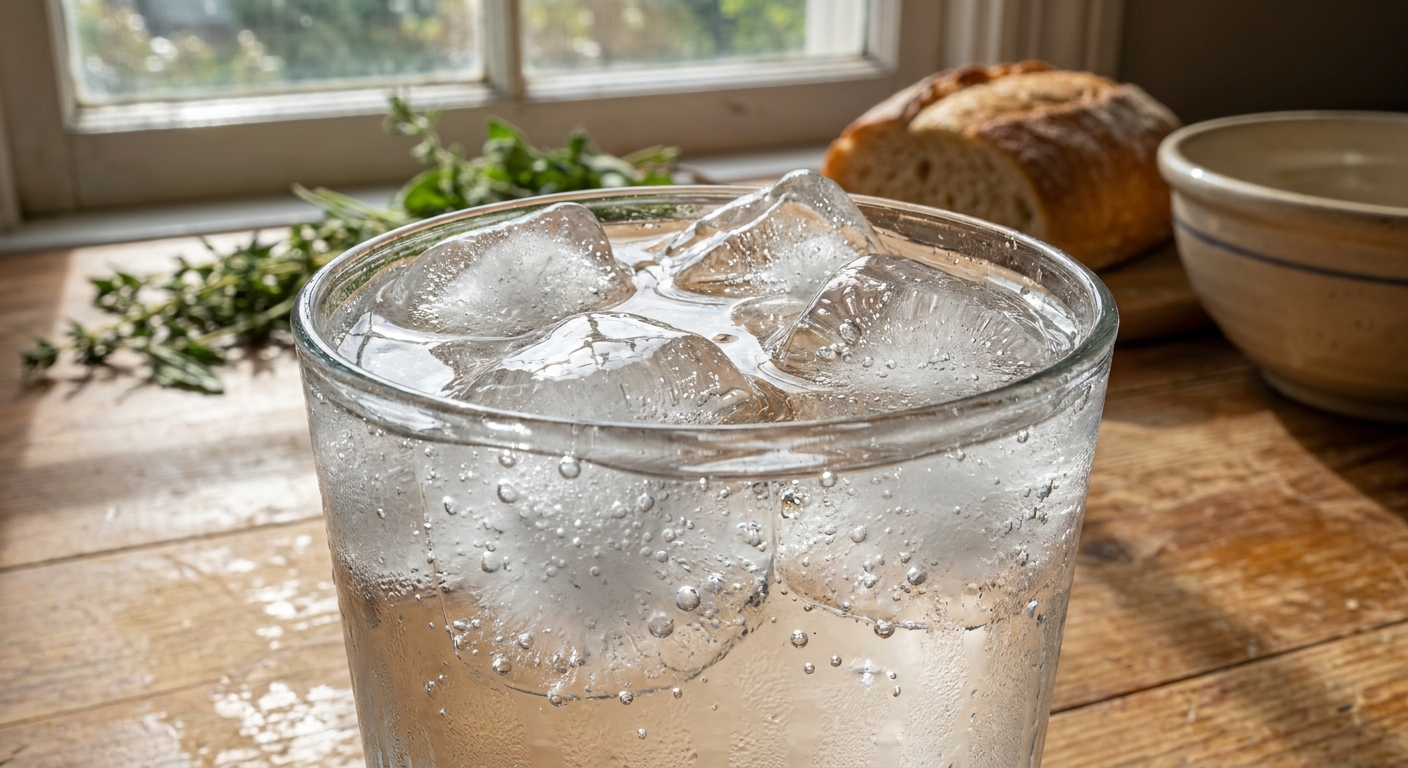
If you have ever dropped a few cubes into a glass and watched them bob at the top, you have witnessed one of water’s most useful quirks. Most solids sink in their own liquids. Solid iron sinks in molten iron. Solid wax sinks in melted wax. But ice floats in liquid water, like a tiny white boat.
The reason comes down to a simple idea with a surprisingly dramatic payoff: density . Water’s molecules pack together more tightly as they cool, until they reach about 4°C (39°F). Then water does something unusual. As it freezes, it expands, becomes less dense, and the solid rises.
Density, the one-word explanation
Density is how much “stuff” is packed into a given volume. Technically, it is mass divided by volume. You do not need the equation to get the intuition:
- Higher density means more mass squeezed into the same space, so it tends to sink.
- Lower density means less mass in the same space, so it tends to float.
Ice floats because, gram for gram, it takes up more space than liquid water. That extra space lowers its density.
What makes water “weird”: hydrogen bonds
Water molecules are shaped like a bent V: one oxygen atom and two hydrogen atoms. Oxygen pulls electrons more strongly than hydrogen does, which leaves the oxygen end slightly negative and the hydrogen end slightly positive. That tiny electrical imbalance lets neighboring water molecules attract each other.
The attraction is called a hydrogen bond. It is weaker than a typical chemical bond, but it is strong enough to influence how water molecules arrange themselves, especially when temperatures drop.
Liquid water: crowded, constantly rearranging
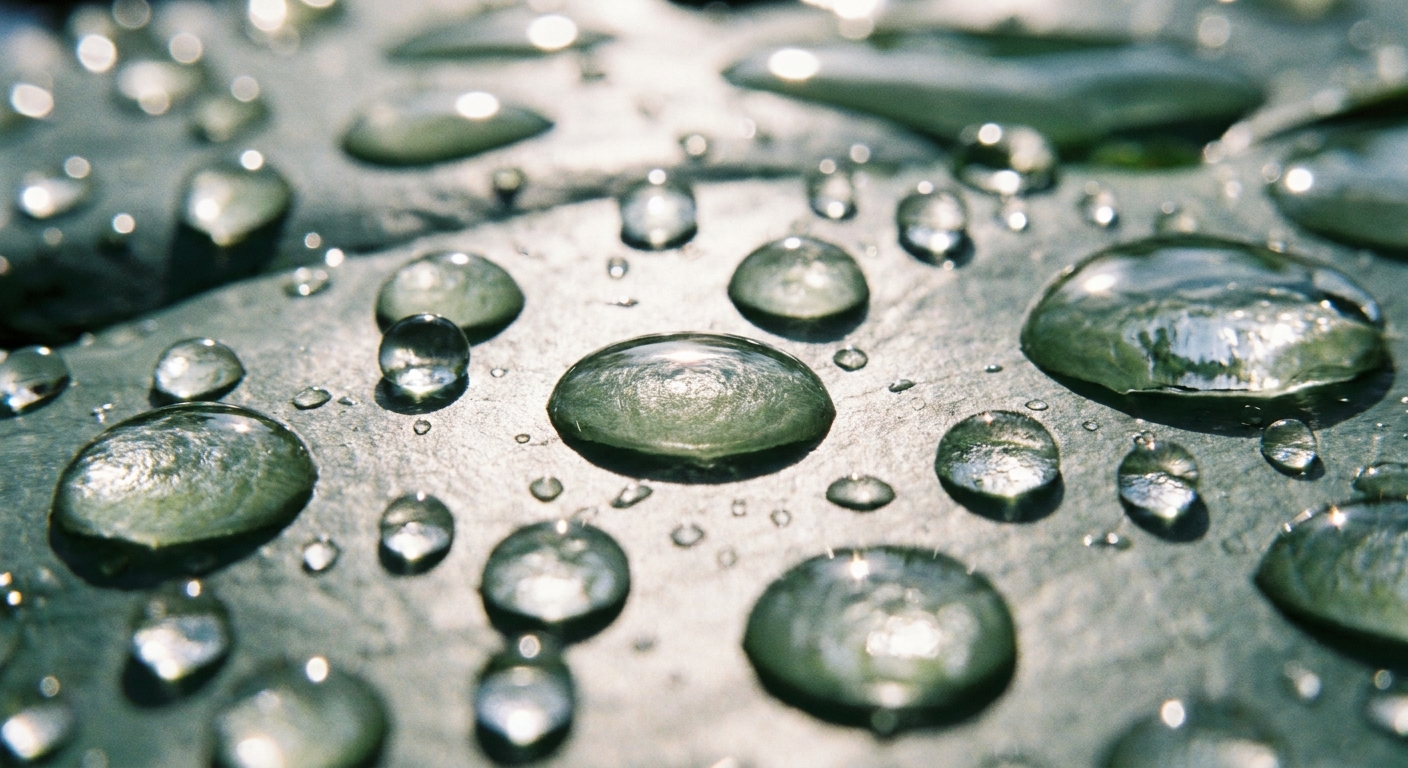
In liquid water, molecules are in perpetual motion. Hydrogen bonds form, break, and reform trillions of times each second. This constant jostling allows molecules to slip closer together, filling in gaps.
As liquid water cools from room temperature toward 4°C, the molecules slow down and pack more efficiently. Density increases. That is the normal behavior we expect from most liquids.
Freezing: the crystal that takes up extra room
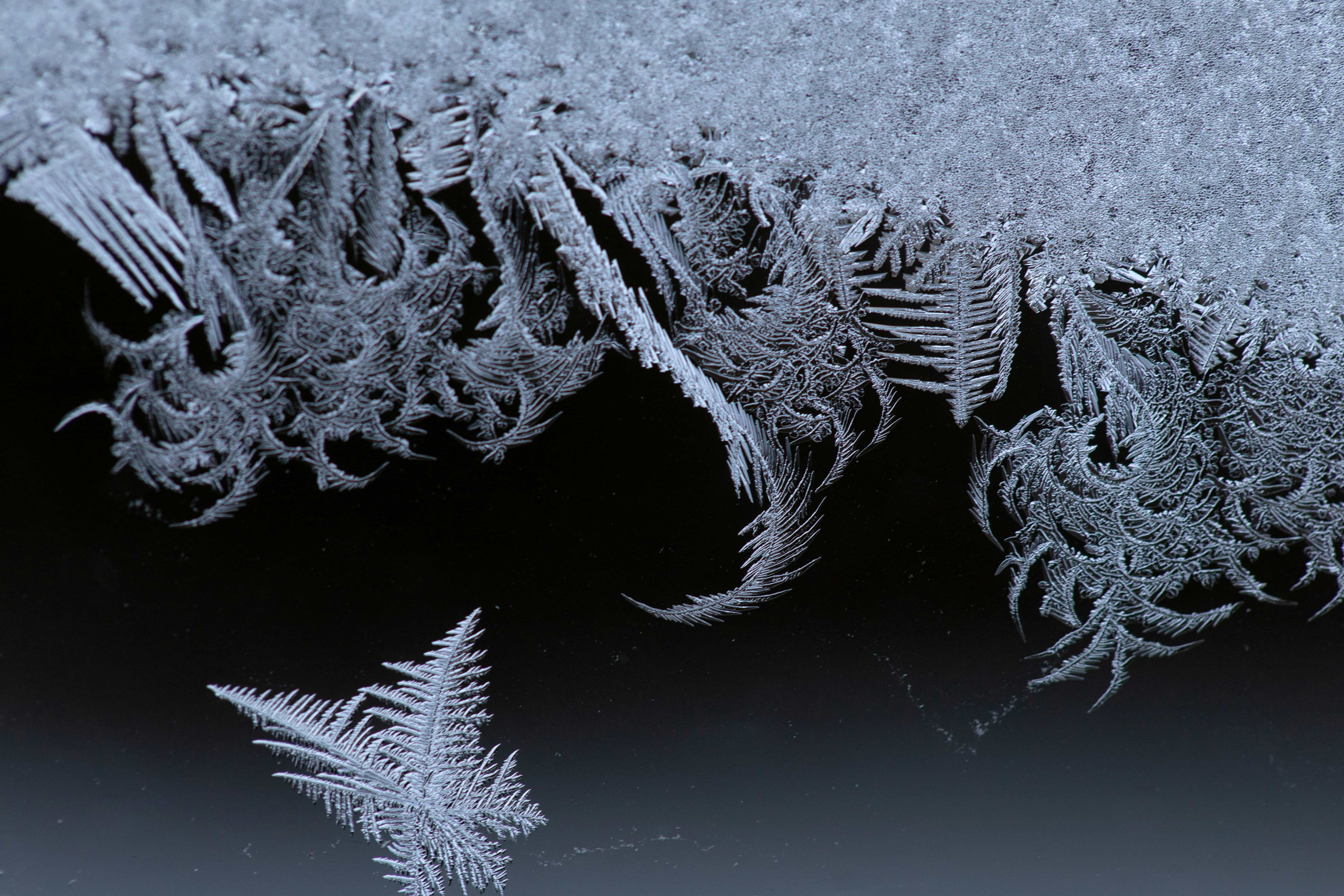
When water freezes, motion slows enough that hydrogen bonds begin to “lock in” a more stable pattern. The lowest-energy arrangement is a neat, open hexagonal crystal lattice. This structure is wonderfully orderly, but it is not space-efficient.
Think of it like stacking oranges. You can stack them in a tight pile, or you can stack them in a way that leaves pockets of air. Ice chooses the pocket-filled option.
Those open spaces mean the same number of water molecules now occupy a larger volume. Larger volume with the same mass equals lower density. So ice floats.
Why water is densest at 4°C (39°F)
This is the key twist in the story. Cooling water has two competing trends:
- Cooling reduces motion, helping molecules pack closer together, which raises density.
- Hydrogen bonding encourages structure, nudging molecules into a more open arrangement, which lowers density.
Around 4°C, the “pack closer” effect wins. Below that, the “open structure” effect increasingly takes over. By the time water becomes ice at 0°C (32°F), the open lattice dominates.
Everyday proof: ice in your drink
Floating ice is not just a party trick. It explains a few everyday details you might have noticed:
- Ice cubes stick up above the surface because they displace water equal to their weight. Only part of the cube needs to be submerged to balance buoyancy.
- Ice cracks and pops as it warms because temperature changes create stress in that crystal lattice and release trapped air bubbles.
- Frozen water can burst containers . The expansion during freezing is why a forgotten soda can in the freezer becomes a messy science experiment.
Lakes freeze from the top down, not the bottom up
Here is where the density story becomes lifesaving.
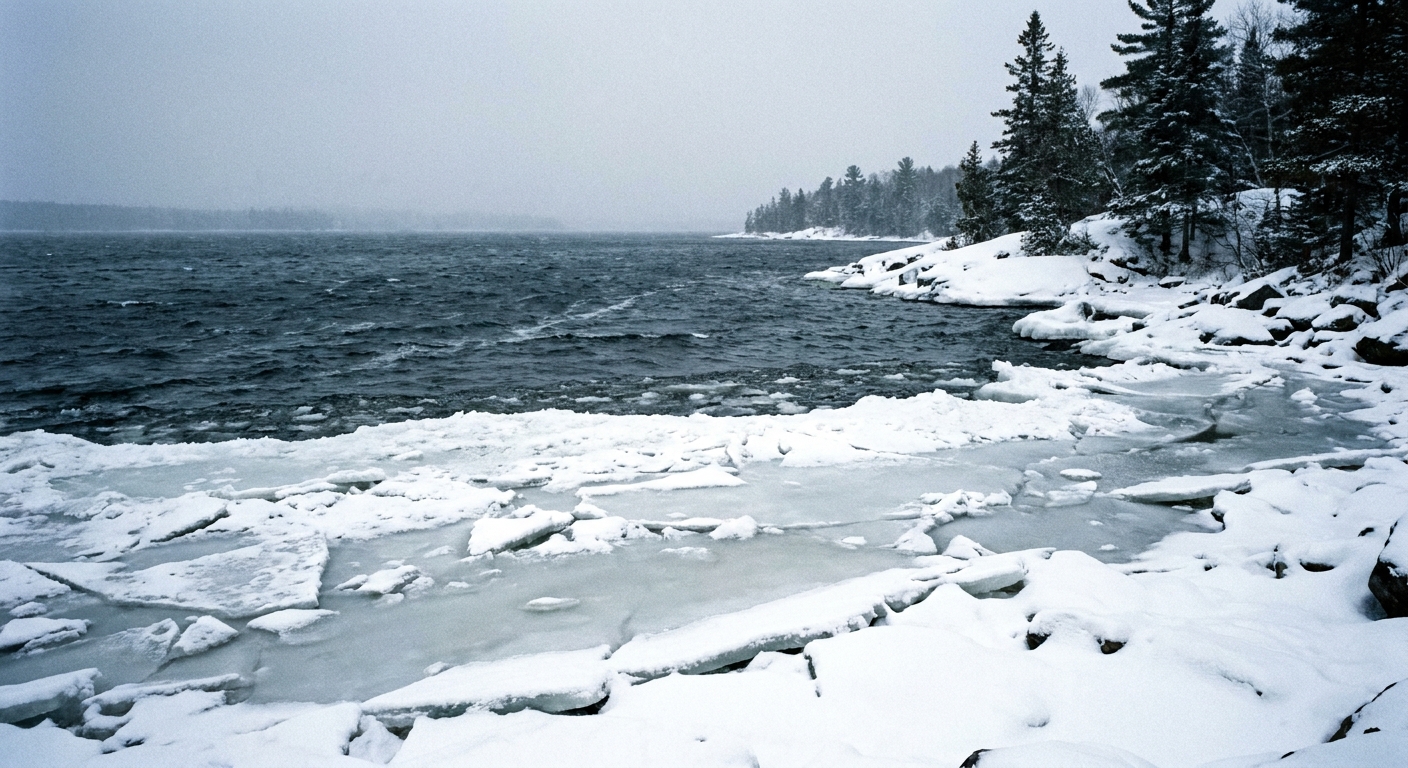
As winter arrives, the surface water of a lake cools. As it cools toward 4°C, it becomes denser and sinks, mixing the lake. But once the surface water cools below 4°C, it becomes less dense than the slightly warmer water beneath it, so it stays on top. Eventually that top layer reaches 0°C and freezes.
Ice then forms a floating lid. And that lid has a special talent: it insulates. Heat escapes more slowly from the water underneath, helping keep the deeper lake liquid.
Why this matters for life on Earth
If ice sank, winter would be brutal for aquatic ecosystems. Every new layer of ice would form at the surface, sink, and accumulate on the bottom. Many lakes could gradually freeze solid from the bottom up, making it far harder for fish, plants, and microorganisms to survive cold seasons.
Because ice floats instead:
- Liquid water remains below, providing a refuge for life.
- Seasonal mixing still happens in many lakes, helping distribute oxygen and nutrients.
- Habitats remain stable enough for ecosystems to persist year after year.
In other words, water’s weirdness is not a footnote. It is a feature that helps entire food webs make it through winter.
Common questions about floating ice
Is ice always less dense than water?
For ordinary ice (the kind in your freezer), yes. There are exotic forms of ice that can form under extreme pressures where the structure is different, but on Earth’s surface, the hexagonal form is what we deal with, and it floats.
Does salt water change the story?
Salt water is denser than fresh water, which is one reason you float more easily in the ocean than in a pool. Ice still tends to float in seawater, although the details of freezing are more complicated because salt changes the freezing point and is mostly excluded from the ice as it forms.
Why is so much of an iceberg underwater?
Ice is only slightly less dense than liquid water, so a large fraction of an iceberg’s volume must sit below the surface to displace enough water to support its weight. That is why so much of an iceberg is hidden underwater.
The takeaway
Ice floats because freezing forces water molecules into an open, hydrogen-bonded crystal lattice that takes up extra space. Extra space means lower density. Lower density means floating.
It is a small molecular design choice with huge consequences: chilled drinks, cracked pipes, winter lake survival, and a planet where aquatic life has a fighting chance when temperatures drop.