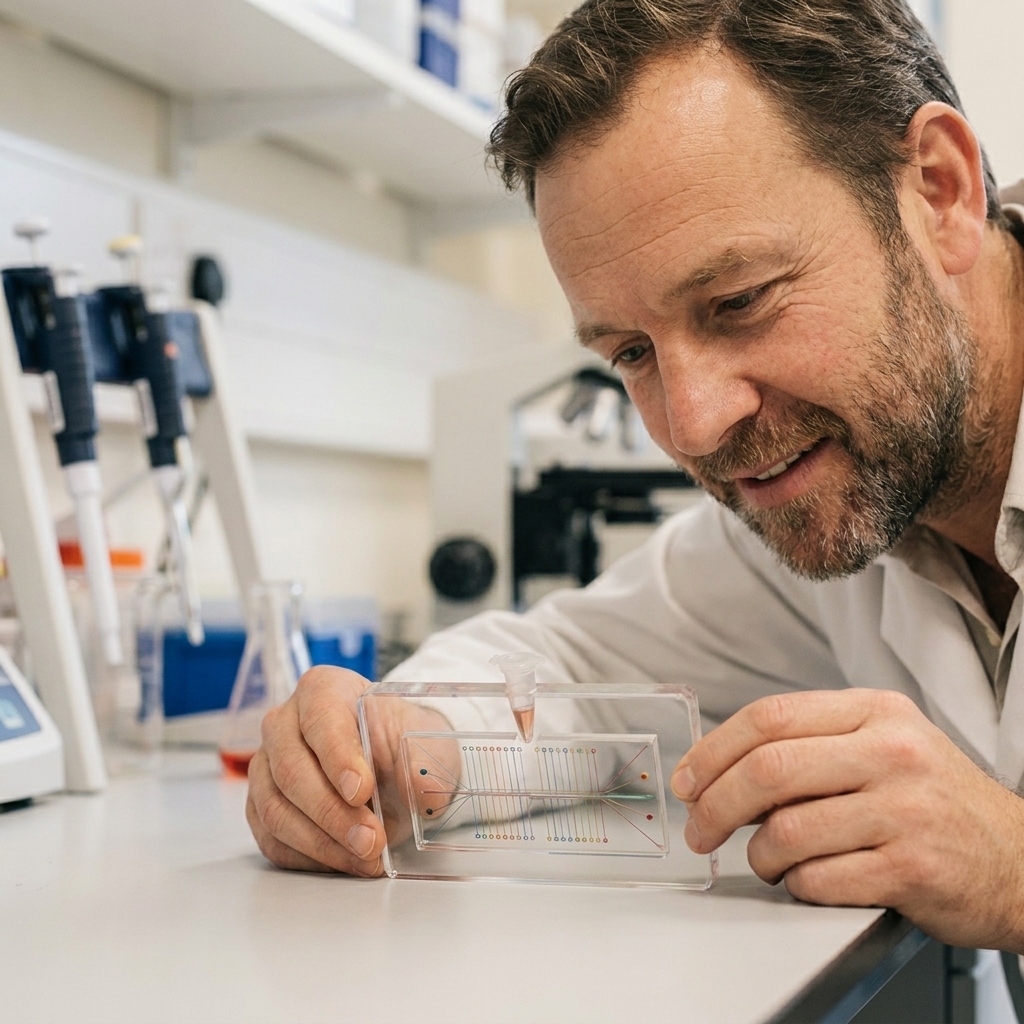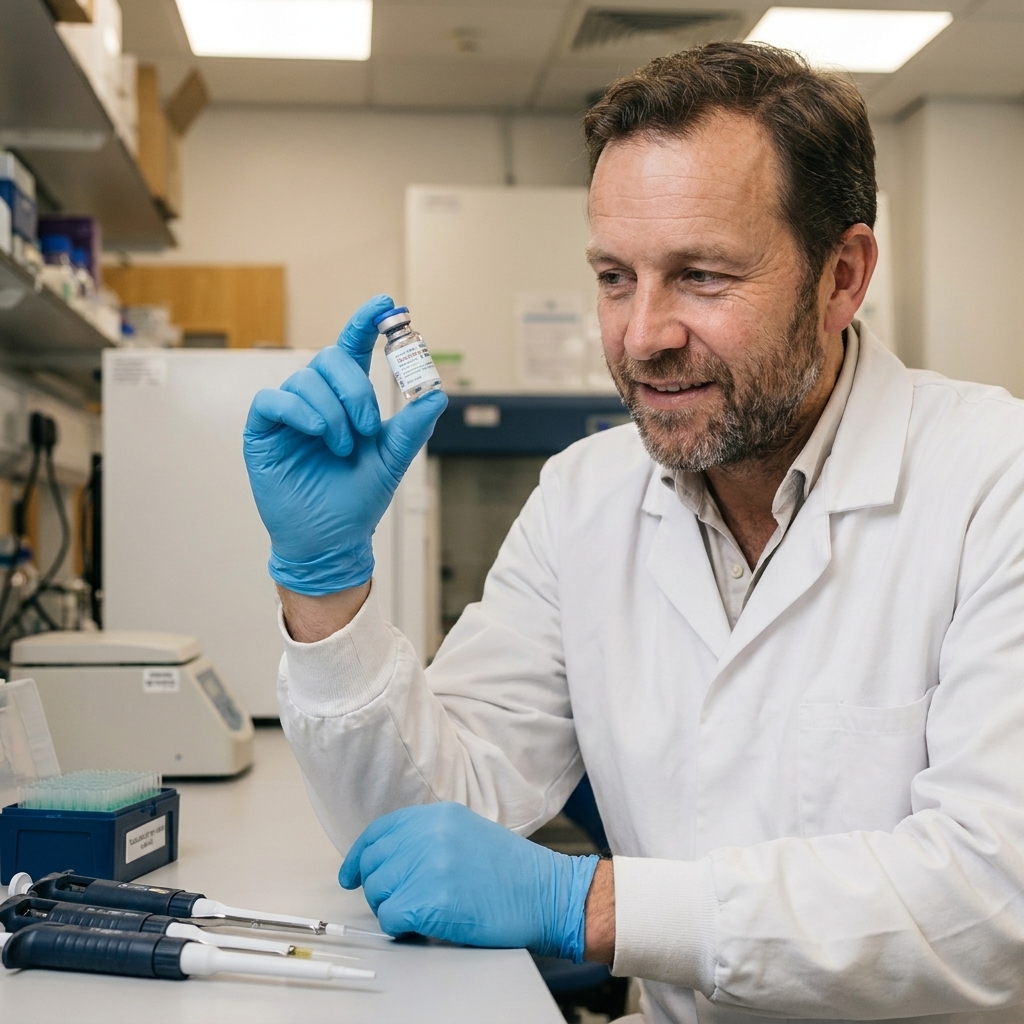
Imagine you are dealing with a bacterial infection that has learned every trick in the antibiotic playbook. The usual meds bounce off. The culture report reads like a thriller. In that moment, some clinicians are reaching for something that sounds like science fiction but is very real biology: bacteriophages, often shortened to phages.
Phages are viruses that infect bacteria, not human cells. They are the microscopic equivalent of a highly trained search-and-rescue dog that only tracks one scent, except in this case the scent is a specific bacterial strain. For antibiotic-resistant infections, that specificity is not a cute fact. It is the whole point.

Why antibiotics are struggling
Antibiotics were one of the biggest medical upgrades in human history, but bacteria are fast learners. Each time antibiotics are used, bacteria with resistance advantages are more likely to survive and multiply. Over time, that selection pressure builds up into resistant strains that can shrug off multiple drugs.
Common drivers include:
- Overuse and misuse of antibiotics in humans, like taking them for viral illnesses or not taking them as prescribed.
- Routine use in agriculture in some regions, which can accelerate resistance in bacterial populations.
- Hospital environments where vulnerable patients and heavy antibiotic use create the perfect training ground for drug-resistant infections.
When resistance outpaces new antibiotic development, medicine needs additional tools. Phage therapy is one of the most promising, especially for infections that are chronic, device-related, or stubbornly biofilm-based.
Meet the phage
Phages are the most abundant biological entities on Earth. They are in oceans, soil, and commonly in and on us too, especially in the gut and on mucosal surfaces. Most of the time, they are just part of the background ecology of life.
What makes them medically interesting is how they operate. Many therapeutic phages are lytic, meaning they infect a bacterium, hijack its machinery to make more phages, then burst the cell open to release the next wave. Temperate (lysogenic) phages, which can integrate into bacterial DNA, are generally avoided in therapy because they can carry unwanted genes or change bacterial behavior.
How phage therapy works
- Find the culprit: Identify the bacterial species and ideally the exact strain causing the infection.
- Match the phage: Test a library of phages to see which ones infect and kill that strain.
- Deliver the phage: Apply it where the bacteria are, such as topically to a wound, inhaled for some lung infections, or sometimes through IV depending on the case and setting.
- Let biology do its thing: If the match is good, phages can replicate where their bacterial target is present, but real-world kinetics still depend on immune clearance, tissue penetration, dosing schedules, bacterial physiology, and access to biofilms.
The big concept is precision. Antibiotics can be broad, taking out helpful microbes along with the harmful ones. Phages tend to be narrow, which can mean fewer collateral effects on your microbiome , but it also means they must be carefully chosen.
Where phage therapy is used
Phage therapy is not brand-new. It was explored in the early 1900s, especially in parts of Eastern Europe and the former Soviet Union, and it has continued in some clinical centers there. In much of Western medicine, antibiotics stole the spotlight and phages became the “what if” on the shelf.
Now that resistance is rising, phages are back on the bench and at the bedside, often in these contexts:
- Compassionate use or special access pathways for severe infections that have not responded to standard care.
- Clinical trials studying phage preparations for specific infections, dosing strategies, and delivery methods.
- Adjunct therapy used alongside antibiotics, especially when the goal is to weaken bacteria, disrupt biofilms, or reduce bacterial load enough for antibiotics and the immune system to finish the job.
Availability depends heavily on your country, your healthcare system, and whether you are enrolled in a clinical trial or being treated under a special regulatory pathway. In the United States, access is largely through clinical trials or FDA expanded access (compassionate use) rather than a routine, widely approved prescription.
What treatment can look like
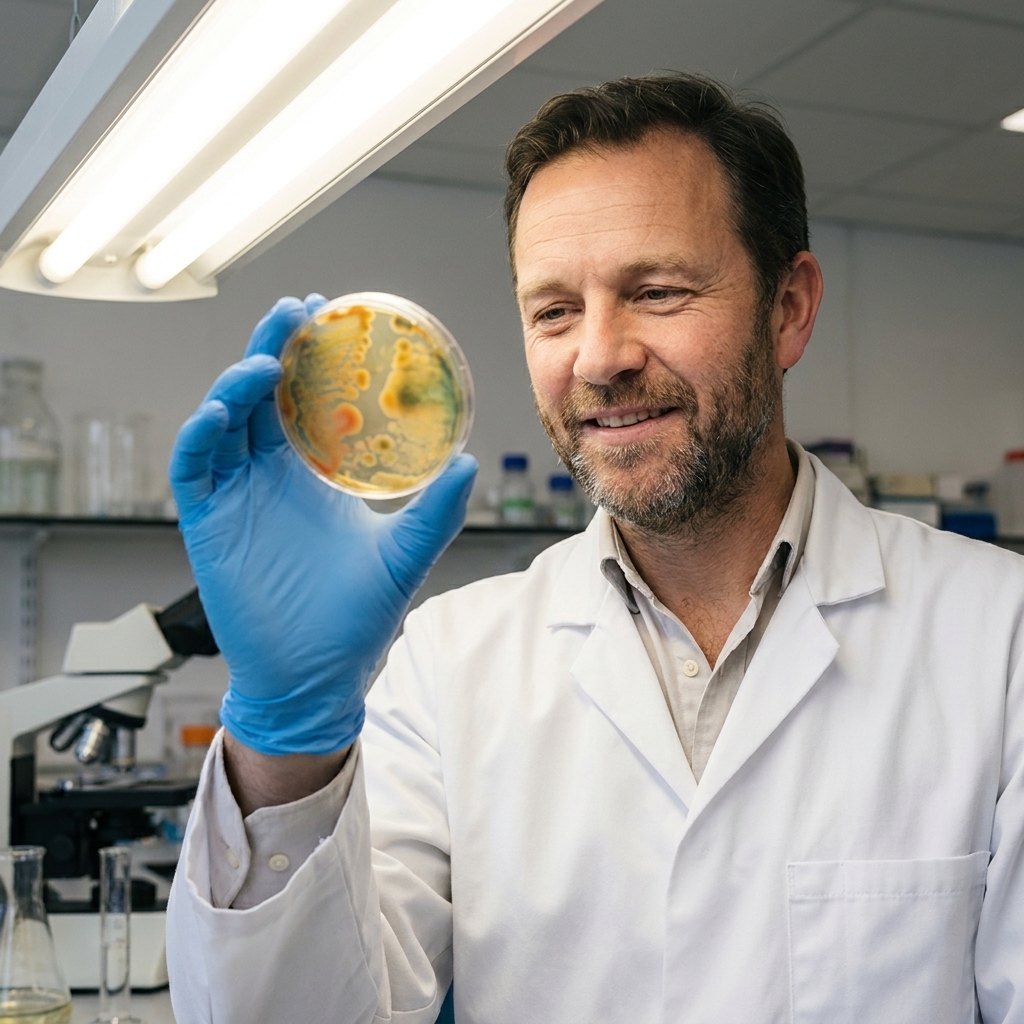
If you have ever had a culture done, you already know the first step: identify what is growing. Phage therapy usually becomes a conversation when clinicians can name the bacterial enemy and standard options are limited.
Step 1: isolate and test
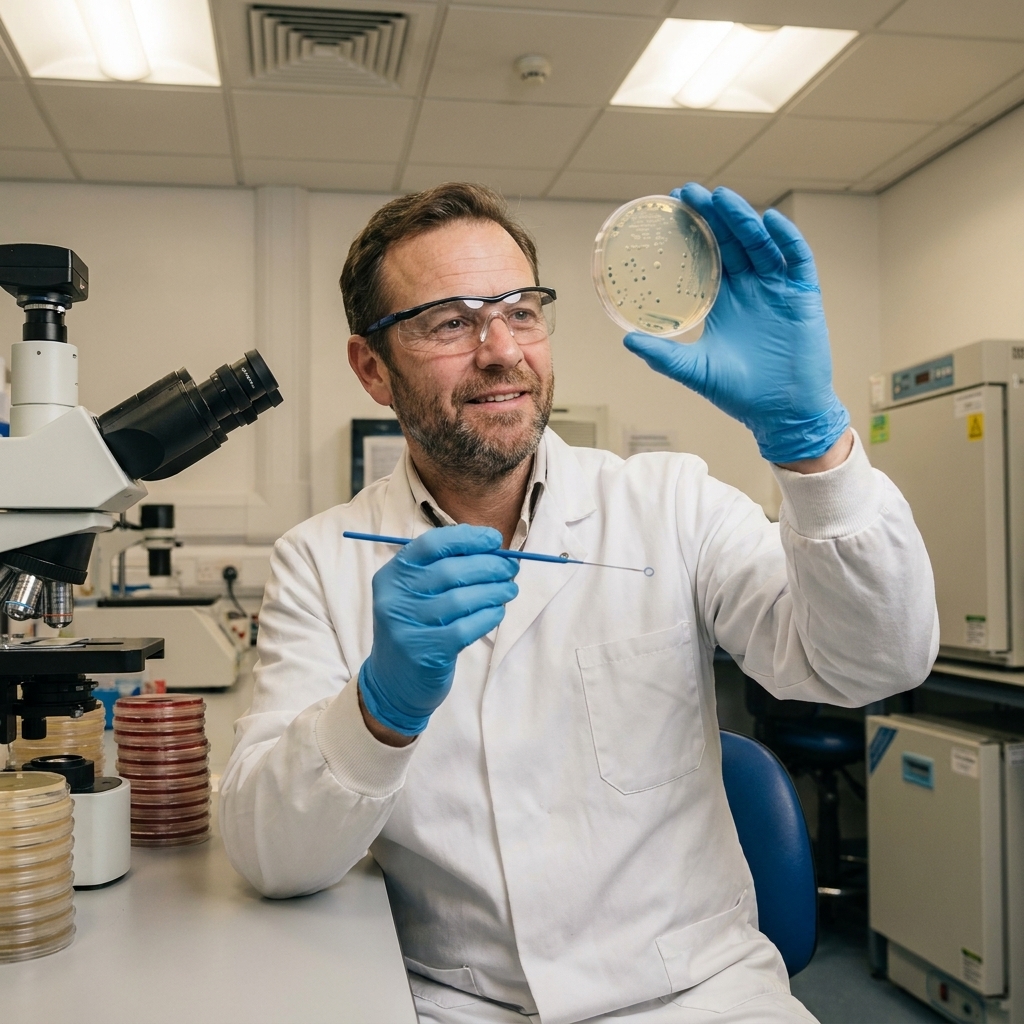
Doctors typically collect a sample from the infection site (blood, sputum, wound swab, urine, tissue sample) and grow the bacteria. That isolate can then be tested against candidate phages to see what works.
One practical constraint: matching and sourcing an effective phage can take time, from days to sometimes weeks, and not every bacterial isolate will have an available phage that performs well.
Step 2: pick a phage or cocktail
Because bacteria can evolve resistance to phages too, clinicians and researchers often use a phage cocktail, a mix of phages that target the same bacterium in different ways. Think of it like using multiple keys that can open the same lock, so the bacteria has a harder time changing the lock fast enough.
Step 3: choose delivery
The route depends on the infection:
- Topical: chronic wounds, burns, surgical sites.
- Inhaled or nebulized: some chronic airway infections or colonization, often discussed in settings like bronchiectasis or cystic fibrosis.
- Localized instillation: into a cavity or around a device in some specialty settings.
- Intravenous: more complex and carefully monitored, considered in certain severe infections.
Step 4: monitor and adapt
Because phage therapy can be personalized, monitoring is not just “do you feel better?” Clinicians may repeat cultures, track inflammatory markers, image the infection site, and watch for phage resistance. Sometimes the phage selection must be updated if the bacterial strain shifts.
Why phages can help
Phage therapy is not magic, but it does have some features that make it uniquely suited to antibiotic-resistant infections.
They are specific
Phages often target particular bacterial strains. That can spare beneficial bacteria that help with digestion, immune balance, and colonization resistance. It can also mean fewer side effects related to microbiome disruption, though the overall clinical picture still depends on illness severity and any antibiotics used alongside phages.
They can increase locally
If the phage is lytic and the bacteria are present, phages can replicate where they are needed most. Antibiotics do not reproduce inside their targets. They diffuse, metabolize, and clear. In the body, though, phages are also cleared by the immune system and may not reach every pocket of infection equally, which is why dosing and delivery matter.
They may affect biofilms
Biofilms are slimy bacterial communities that stick to surfaces like catheters, prosthetic joints, heart valves, and lung mucus. Biofilms can block antibiotics and immune cells. Some phages or phage-derived enzymes can help penetrate or disrupt these structures in lab settings and in some clinical contexts, but results vary by pathogen, biofilm location, and delivery method.
They can pair with antibiotics
Sometimes two tools together perform better than either alone. Phages may stress bacteria in ways that make antibiotics effective again, or vice versa. Researchers are actively studying which combinations are synergistic and why.
Evidence so far
Phage therapy sits in an evidence landscape that is promising but still uneven. There are compelling case reports and compassionate-use series, including infections described as salvage situations, plus a growing number of early-stage and mid-stage clinical trials. Large, definitive randomized controlled trials are still limited, and some trials have shown mixed results depending on the infection, the phage product, and how well the phages matched the target bacteria. Translation is tricky because phages are biologically specific, and the details of matching, dosing, and delivery can make or break outcomes.
Limits and risks
If phage therapy is going to earn its place in mainstream medicine, it has to be held to the same standard as everything else: safety, consistency, and evidence.
Matching is not optional
A phage that kills one strain of E. coli might do nothing to another. That specificity is a strength and a logistical hurdle. It means successful therapy often requires access to phage libraries, rapid testing, and the ability to manufacture or prepare the right phage in time.
Resistance can happen
Just like antibiotic resistance, phage resistance can evolve. The good news is the chessboard is different. Clinicians can sometimes switch phages or add additional ones. In some cases, bacteria that evolve phage resistance may lose other advantages, like becoming less virulent or more antibiotic-sensitive, but that is not guaranteed.
Inflammatory reactions and purity matter
Phages are viruses, and your immune system notices foreign particles. Depending on dose and route, people may experience inflammatory reactions. Another key safety issue is purification: bacterial debris, including endotoxins from Gram-negative bacteria, can provoke strong responses if not tightly controlled. Rapid bacterial lysis can also release inflammatory components, which is one reason careful monitoring is important in very sick patients.
Regulation is catching up
Phage therapy sits at an unusual intersection: it can be personalized like a tailored drug, yet it is also a biological agent that must be manufactured with careful quality control, ideally under GMP-like standards. Different countries have different pathways for approval, compassionate use, and clinical deployment.
Bottom line: phage therapy is promising, and in select cases it has been reported as lifesaving in compassionate-use settings. It is also still an evolving medical technology, not a universal replacement for antibiotics.
If you face resistance
Most people will never need phage therapy. If you do, it often happens after you and your clinical team have been through multiple rounds of standard treatment. Here are practical steps that can help you advocate effectively without falling into miracle-cure territory.
1) Get the exact bug
Request the name of the organism and the susceptibility report. Knowing whether you are dealing with MRSA, drug-resistant Pseudomonas, Acinetobacter, or ESBL-producing Enterobacterales changes the conversation.
2) Bring in ID early
If resistance is suspected, an infectious disease (ID) consult can be critical. ID teams are often the bridge between bedside care, microbiology, and research options.
3) Ask about trials
Clinical trials are the most structured way to access phage therapy and also the best way to build the evidence base that helps future patients.
4) Ask about special access
Depending on where you live, there may be compassionate use or expanded access mechanisms for investigational therapies. Your clinical team, not you alone, will usually need to initiate these pathways.
5) Avoid DIY products
Phages are real, but medical phage therapy is not something to improvise. Quality, purity, dosing, and matching matter. Avoid unregulated treatments marketed directly to consumers as cure-alls.
6) Do not skip the basics
Even when advanced therapies are on the table, fundamentals are not optional: source control (like draining an abscess), device removal when feasible, wound care, and appropriate antibiotics when they still have a role.
What comes next
If you zoom out, the most exciting future for phages is not “antibiotics are dead, long live phages.” It is a richer toolkit.
- Faster matching using improved diagnostics and larger, better-curated phage libraries.
- More standardized cocktails for common resistant pathogens, alongside truly personalized options for rare strains.
- Better delivery to reach biofilms and deep tissue infections safely.
- Phage-derived enzymes (like endolysins) that can be used as precise antibacterials without whole viruses.
- Smarter combinations of phages, antibiotics, and anti-biofilm strategies based on solid clinical data.
As an optimist, I love this direction. Not because it is flashy, but because it is practical. Biology already invented bacterial predators. We are learning how to recruit them responsibly.
FAQ
Are bacteriophages safe for humans?
Phages do not infect human cells, but safety still depends on the specific preparation, dose, route of administration, and purity. Clinical use focuses on lytic phages and careful manufacturing to reduce contaminants. Side effects can occur, especially in very sick patients, so treatment should be medically supervised.
Can phage therapy replace antibiotics?
Not broadly, at least not yet. Phage therapy is best viewed as an additional option, sometimes used alongside antibiotics, especially for resistant infections or biofilm-related disease.
Why can’t doctors just give “a phage” like an antibiotic?
Because phages are usually strain-specific. A phage that kills one patient’s bacteria may not touch another’s. That is why matching and testing are central to therapy.
What infections are most likely to be considered for phage therapy?
Today it is most often discussed for difficult-to-treat, antibiotic-resistant infections, including chronic wound infections, device-associated infections, and some stubborn respiratory infections, especially when standard treatments have failed.
How do I find out if phage therapy is an option for me?
Start with your treating physician and ask for an infectious disease consultation. From there, your team can explore clinical trials or special access pathways and determine whether your bacterial isolate can be tested against available phages.
The takeaway
Antibiotic resistance is a real, growing problem. Bacteriophages offer a beautifully targeted counterpunch: viruses that evolved to hunt bacteria with uncanny precision. They are not a one-size-fits-all cure, and they are not available everywhere yet. But for certain patients with few remaining options, phage therapy is transforming “we are out of ideas” into “we have another path to try.”
And if that does not make you quietly root for microbiology, I do not know what will.