
I used to tell my physics students that the most dangerous thing in science is a story that feels true. Supplement marketing is especially good at this. The story is simple: swallow a capsule, get a benefit. But biology is not a vending machine. It is more like sourdough starter: the outcome depends on what is already in the system, how it is fed, and what conditions you are working with.
This article is not anti-supplement. Some supplements have strong clinical backing for specific people in specific situations. What I am debunking is the marketing fog: broad claims that ignore dose, baseline nutrition, and what randomized controlled trials actually find.

A quick safety note before we dive in: supplements can interact with medications, affect surgery and anesthesia, and in some cases harm the liver or kidneys. Risk goes up with high doses, contaminants, and certain concentrated herbs (for example, green tea extract or kava). If you are pregnant, managing a chronic condition, taking prescription meds, or buying anything with a long ingredient list, it is worth a quick check-in with a clinician or pharmacist.
How I am judging these supplements
- Strong evidence means multiple well-designed trials or meta-analyses show a clear benefit for a defined use.
- Mixed evidence means results are inconsistent, effects are small, or the benefit only appears in narrow subgroups.
- Debunked (in this article) means the popular claim does not hold up in higher-quality studies, or any effect is too small to justify the hype for most people.
Also, a recurring theme: if you are correcting a deficiency, supplements can be life-changing. If you are already sufficient, adding more usually does little, and sometimes does harm.
1) Multivitamins: “Insurance in a pill”
What people buy it for
General health, energy, immunity, “covering gaps,” and longevity.
What research says
Mixed, often underwhelming. Large trials and meta-analyses generally show no clear mortality benefit and largely null results for preventing major chronic disease in well-nourished adults. Where things get more interesting is cognition: newer randomized trial signals in older adults suggest possible modest cognitive benefits, but this is still emerging and not definitive enough to justify the sweeping “longevity insurance” framing.
When it can help
- People with restricted diets, food insecurity, or malabsorption conditions
- Older adults with consistently low intake
- Those advised by a clinician due to documented deficiencies
Bottom line
If your diet is consistently limited, a basic multivitamin can be a reasonable backstop. If your diet is varied, a multivitamin is more like buying an umbrella for a drought. It might make you feel prepared, but it will not change the weather.
2) Vitamin C: “Stops colds”
What people buy it for
Preventing or curing the common cold.
What research says
Debunked for prevention in most people. In the general population, routine vitamin C supplementation does not reliably prevent colds. The more consistent finding is that it can slightly shorten cold duration or reduce symptom severity, and the prevention signal is stronger in people under extreme physical stress (think endurance athletes in cold conditions).
When it can help
- People with low dietary vitamin C intake
- Some individuals in high physical stress environments
Bottom line
Vitamin C is essential, but megadosing is not a cold force field. For most of us, it is more “maybe a slightly shorter cold” than “no cold.”
3) Vitamin D: “A cure-all for mood, immunity, and everything else”
What people buy it for
Bone health, immunity, depression, fatigue, cancer prevention.
What research says
Strong for deficiency and bone outcomes, mixed for everything else. Vitamin D clearly matters for calcium balance and bone health, and supplementation helps when levels are low. But many broad claims, like major protection against cancer, heart disease, or dramatic mood changes, are not consistently supported in large randomized trials of generally healthy people. Also, more is not better: chronic high-dose vitamin D can cause hypercalcemia and related complications.
When it can help
- Documented deficiency or risk of deficiency (limited sun exposure, darker skin at higher latitudes, older age, malabsorption)
- Bone health strategies, especially when paired appropriately with calcium and lifestyle measures when indicated
Bottom line
Vitamin D is a “right dose, right person” supplement. Testing and clinician-guided dosing beat guessing, especially if you are tempted by very high-dose routines.

4) Zinc lozenges: “Cold stopper”
What people buy it for
Shortening colds.
What research says
Mixed but plausible for duration if used early and correctly. Some studies suggest zinc lozenges started early, often within 24 to 48 hours of symptom onset, can reduce duration. But results vary widely because products differ (zinc salt form, dose, and whether ingredients bind zinc). A practical detail: some lozenges include additives (like certain acids or sugar alcohols) that can reduce the amount of free zinc available, which may help explain why one product “works” for someone and another does not. Side effects like nausea and bad taste are common. Intranasal zinc is a hard no due to loss-of-smell risk.
When it can help
- Adults who start lozenges very early and tolerate them
Bottom line
Zinc is one of the few “maybe worth trying” cold tools, but it is not magic, and product details matter.
5) Omega-3 fish oil: “Heart protection for everyone”
What people buy it for
Heart health, triglycerides, brain function, inflammation.
What research says
Strong for lowering triglycerides at therapeutic doses, mixed for general heart prevention. Prescription-strength omega-3 formulations can substantially lower triglycerides. For preventing heart attacks and strokes in the general population, the evidence is more nuanced: benefits are not consistently seen with typical over-the-counter doses, and outcomes depend on baseline risk, formulation, and dose. Some outcome signals appear to be formulation-specific (for example, EPA-only vs mixed EPA and DHA), which is part of why “fish oil” as a category can look confusing in the data.
When it can help
- People with high triglycerides under medical guidance
- People who rarely eat fatty fish and want a dietary substitute, though food sources are often the better first step
Bottom line
Fish oil is not a universal heart shield. If your goal is cardiovascular risk reduction, proven basics like blood pressure control, LDL lowering when needed, exercise, fiber-rich foods, and not smoking outcompete most capsules. If you take blood thinners or have surgery coming up, ask your clinician about omega-3s and bleeding risk in your specific situation.
6) Probiotics: “Fix your gut, fix your life”
What people buy it for
Bloating, “gut health,” immunity, mood, skin, weight loss.
What research says
Mixed and highly strain-specific. “Probiotic” is not one thing. Evidence is best for certain strains in specific scenarios, like reducing antibiotic-associated diarrhea or helping some people with particular GI conditions. For general wellness claims, results are inconsistent because products vary, strains behave differently, and many do not reliably colonize the gut long-term.
When it can help
- Some cases of antibiotic-associated diarrhea prevention
- Some individuals with IBS symptoms, depending on strain and tolerance
Bottom line
If a probiotic helps you, great, but treat it like an experiment with a clear goal and timeframe. If nothing changes in 3 to 4 weeks, your microbiome probably votes “no.” One more safety note: if you are immunocompromised, critically ill, or have a central line, talk with your care team first because rare bloodstream infections have been reported.
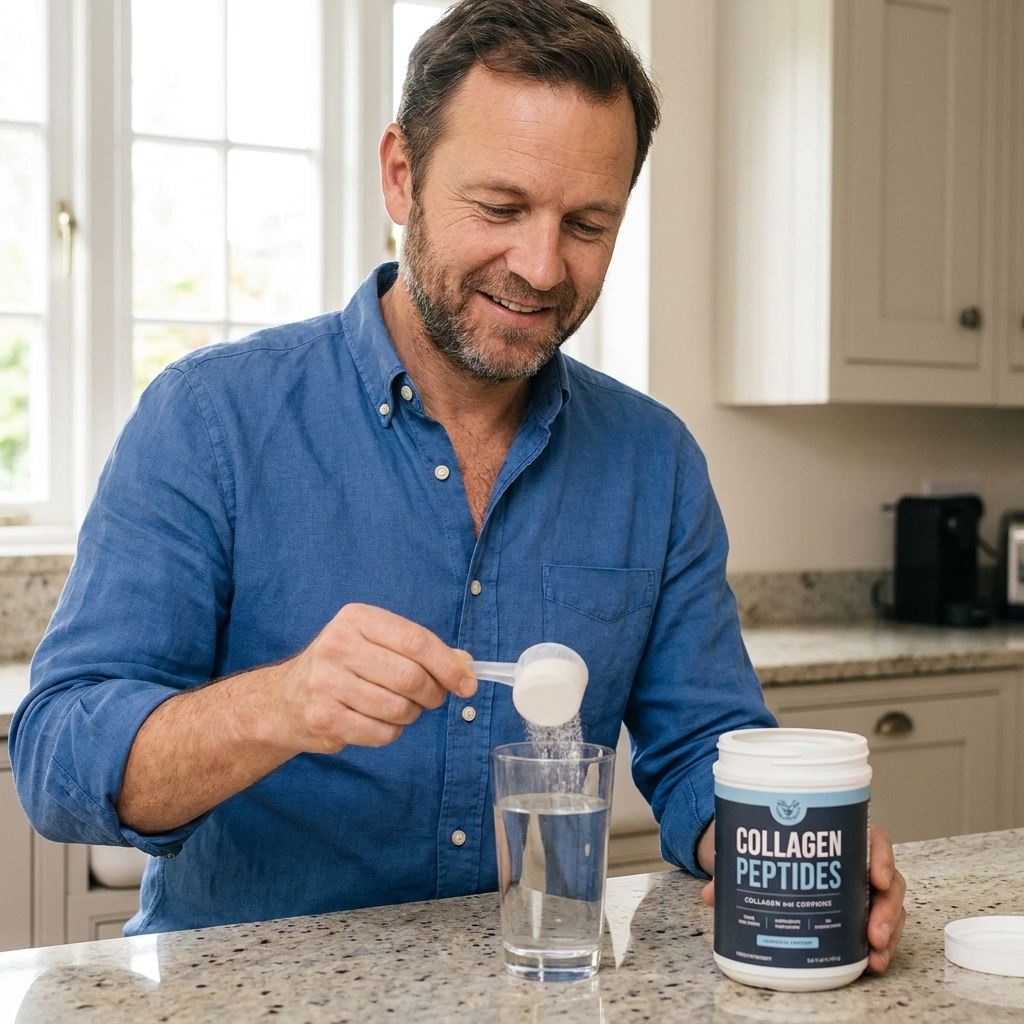
7) Collagen peptides: “Beauty and joints in a scoop”
What people buy it for
Skin elasticity, hair and nails, joint pain.
What research says
Mixed with small-to-moderate effects in some studies. There is some evidence that specific collagen peptides may modestly improve skin hydration and elasticity and may help with joint discomfort in certain groups. But effects are usually subtle, studies are often industry-funded, and benefits are not guaranteed.
When it can help
- People looking for modest skin changes who already have the basics covered (sun protection, adequate protein, sleep)
- Some with joint discomfort, alongside strength training and evidence-based pain strategies
Bottom line
Collagen is not a fountain of youth. Think of it as a potentially helpful protein supplement with limited, not miraculous, outcomes.
8) B12 shots or high-dose B vitamins: “Instant energy”
What people buy it for
Fatigue, brain fog, metabolism boosts.
What research says
Debunked for energy in non-deficient people. Vitamin B12 is essential for nerve function and red blood cells. If you are deficient, supplementation can be dramatic. If you are not deficient, extra B12 does not translate into extra energy the way an extra gallon of gas does not make your car engine more powerful.
When it can help
- Vegetarians and vegans not supplementing adequately
- Older adults with reduced absorption
- People on medications that affect B12 status (for example, long-term metformin or acid-suppressing therapy) under clinician guidance
Bottom line
Test and target. If fatigue is the issue, consider sleep, iron status, thyroid function, depression, and training load before assuming the answer is a vitamin injection.
9) “Detox” supplements and cleanses: “Flush toxins”
What people buy it for
Detoxification, weight loss, liver cleansing, resetting the body.
What research says
Debunked. Your liver and kidneys already run a 24/7 detox operation, and they do it with stunning chemical sophistication. Most “detox” products rely on laxatives, diuretics, or poorly supported herbal blends. The weight lost is often water and gut contents, not “toxins.” Some detox supplements have been linked to liver injury. “Detox teas” can also cause dehydration and electrolyte issues, especially when used aggressively.
When it can help
- Generally, it cannot, because the premise is flawed
Bottom line
If you want to support your body’s real detox systems, the boring stuff wins: avoid excess alcohol, get vaccinated as appropriate, manage hepatitis risks, sleep, hydrate, eat fiber, and maintain a healthy weight.
10) Testosterone boosters and “male vitality” blends: “Naturally raise T”
What people buy it for
Muscle, libido, energy, mood.
What research says
Debunked or weak for most products. Many contain herbs with limited human evidence, underdosed ingredients, or blends that have not been properly tested. Some may affect hormone-related pathways slightly, but not in a reliable, clinically meaningful way. The bigger concern is quality control: FDA warnings and recalls have documented supplements adulterated with undeclared pharmaceutical ingredients, and some compounds can stress the liver.
When it can help
- Rarely as a supplement. If symptoms suggest low testosterone, proper evaluation matters because sleep apnea, obesity, medications, thyroid issues, and depression can mimic or contribute.
Bottom line
If you are worried about testosterone, get labs and medical guidance. For most people, the most effective “booster” is strength training, adequate sleep, reducing excess alcohol, and addressing metabolic health.

Quality control basics
If you take one lesson from the supplement aisle, let it be this: even a good ingredient can become a bad product.
- Be wary of proprietary blends. If you cannot see doses, you cannot compare to studies.
- Be wary of extreme promises. “Cures,” “detoxes,” and “melts fat” are not evidence, they are ad copy.
- Be extra cautious with bodybuilding and “sexual enhancement” supplements. These categories show up repeatedly in adulteration reports.
- Look for third-party testing (for example, USP, NSF, or Informed Choice) when possible.
What actually has good evidence?
Even in a debunking article, I want to leave you with solid tools. These have relatively strong evidence when used appropriately:
- Folic acid for pregnancy and preconception to reduce neural tube defects.
- Vitamin D when deficient, and for bone-related indications as advised.
- Calcium for people who cannot meet needs through diet and have specific bone-risk considerations, ideally clinician-guided.
- Creatine monohydrate for strength and power performance, and potentially some clinical contexts, with a strong body of research in healthy adults.
- Psyllium fiber for improving bowel regularity and modestly helping LDL cholesterol.
Notice the pattern: clear mechanism, measurable outcomes, and specific use cases.
A simple decision checklist
- Name the target. What measurable problem are you trying to solve?
- Check the baseline. If you are not deficient, the “more is better” logic usually fails.
- Match the dose used in studies. Many products are underdosed compared to trials.
- Set a time limit. If nothing changes after a reasonable trial, stop.
- Choose third-party tested products when possible, especially for blends and performance supplements.
FAQ
Are supplements regulated like medications?
In the US and many other countries, supplements are regulated more like foods than drugs. Manufacturers are responsible for safety and labeling, but products do not undergo the same pre-market approval process as prescription medicines. That is why third-party testing and reputable brands matter.
Can a supplement work via placebo and still be “worth it”?
Placebo effects can be real experiences, but they can also delay diagnosing a real problem. If you are using a supplement instead of addressing sleep, nutrition, stress, or a medical issue, the opportunity cost is high.
What is the safest first step if I am unsure?
Ask: “Am I treating a diagnosed deficiency or a specific condition?” If not, consider starting with food, sleep, movement, and basic labs through a clinician before adding pills.
References and further reading
For readers who like to follow the breadcrumbs, look for high-quality evidence summaries and named trials such as:
Cochrane Reviews on vitamin C and zinc for the common cold, and probiotics for antibiotic-associated diarrhea
NIH Office of Dietary Supplements fact sheets (vitamin D, vitamin C, zinc, omega-3s, probiotics, multivitamins)
VITAL trial (vitamin D and omega-3s in generally healthy adults)
COSMOS trial (multivitamins in older adults, including emerging cognitive findings)
Science changes, but it rarely changes overnight. When a claim is true, it tends to get clearer with time, not fuzzier.