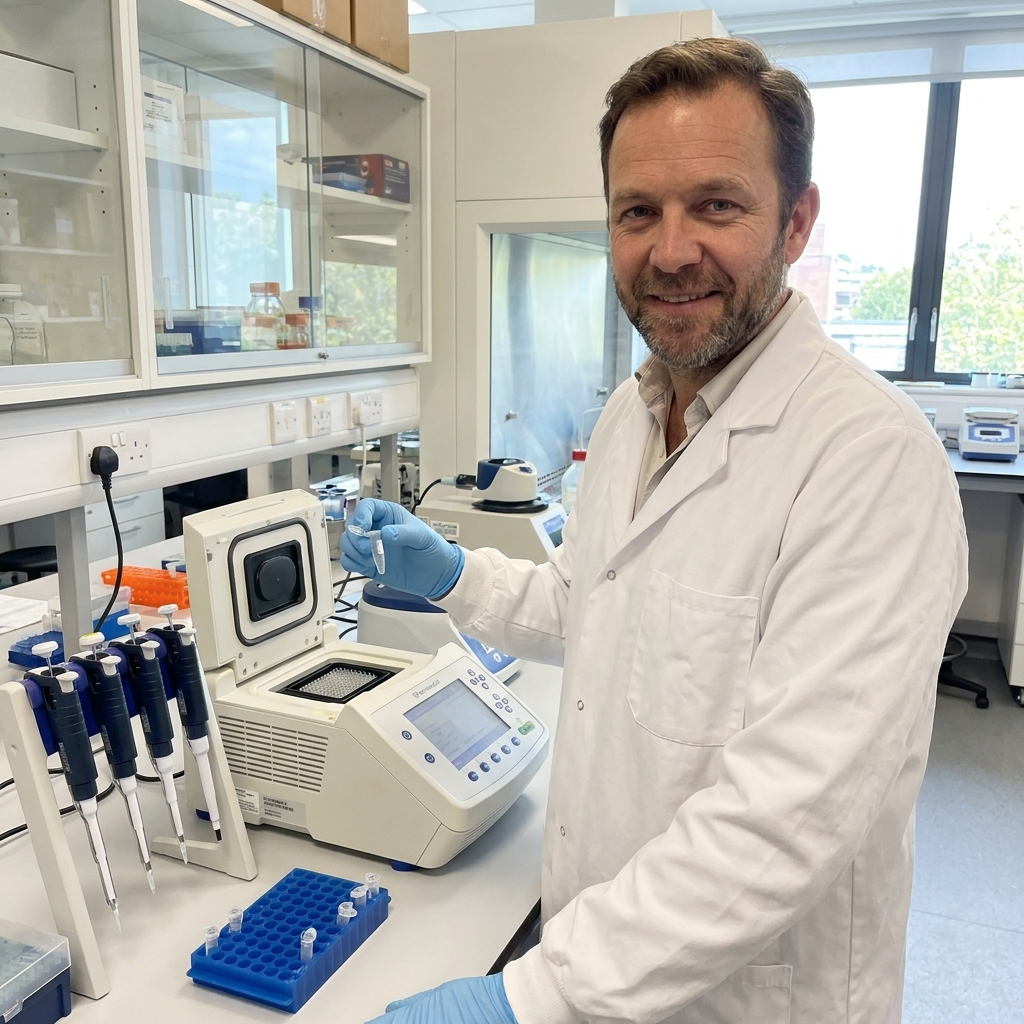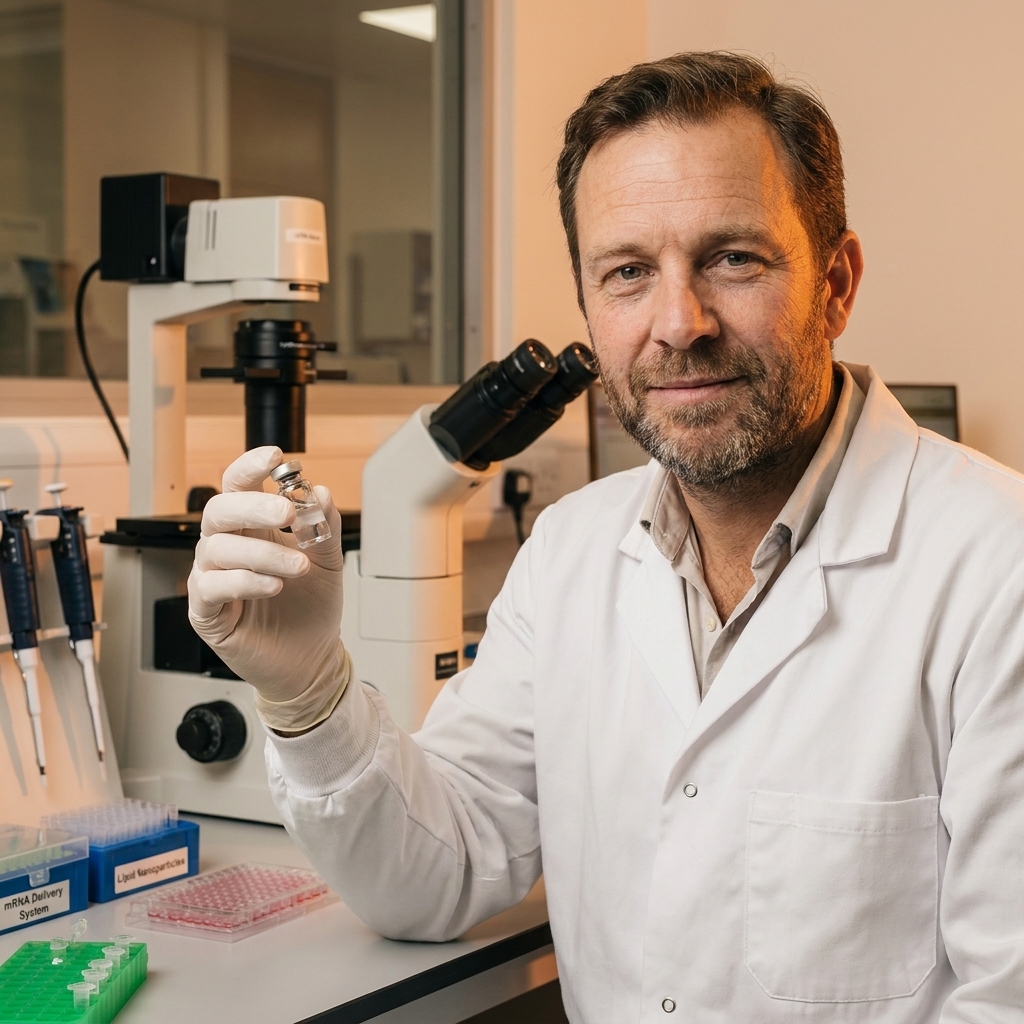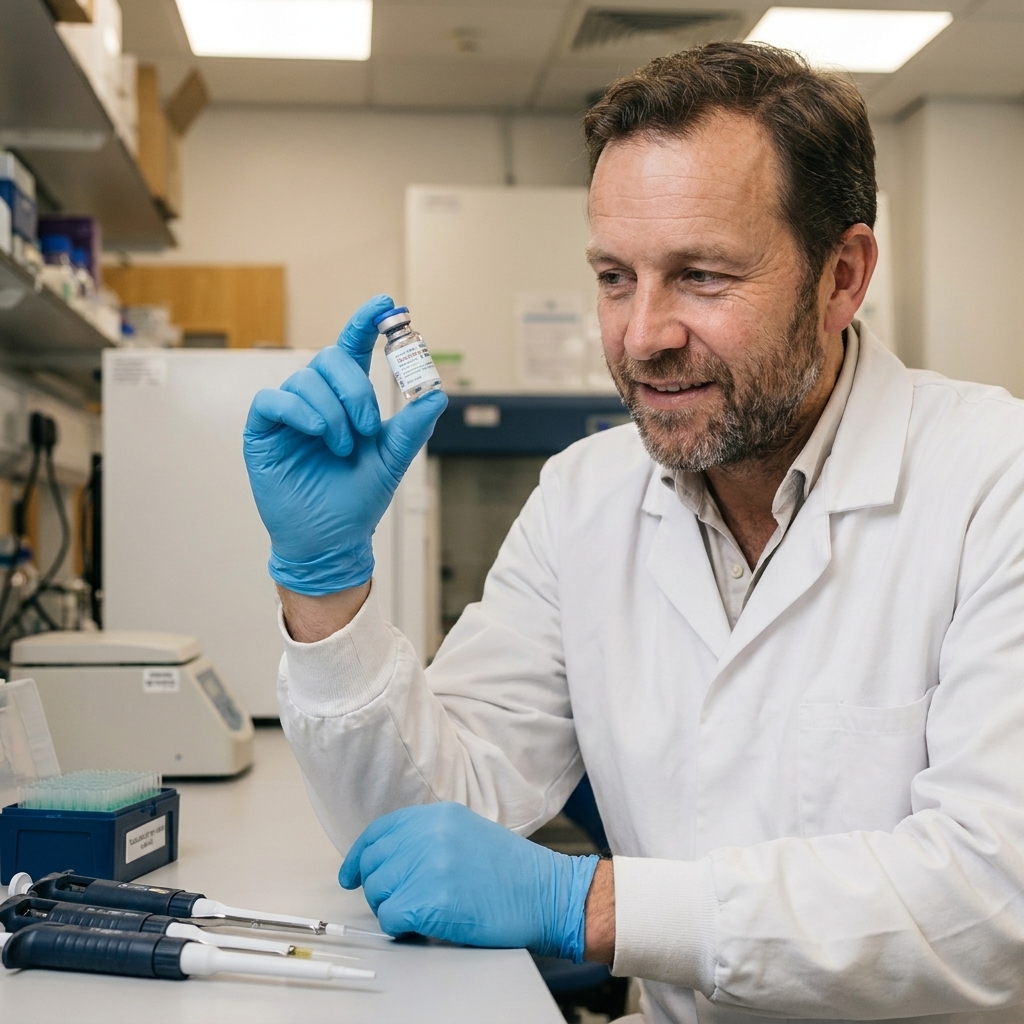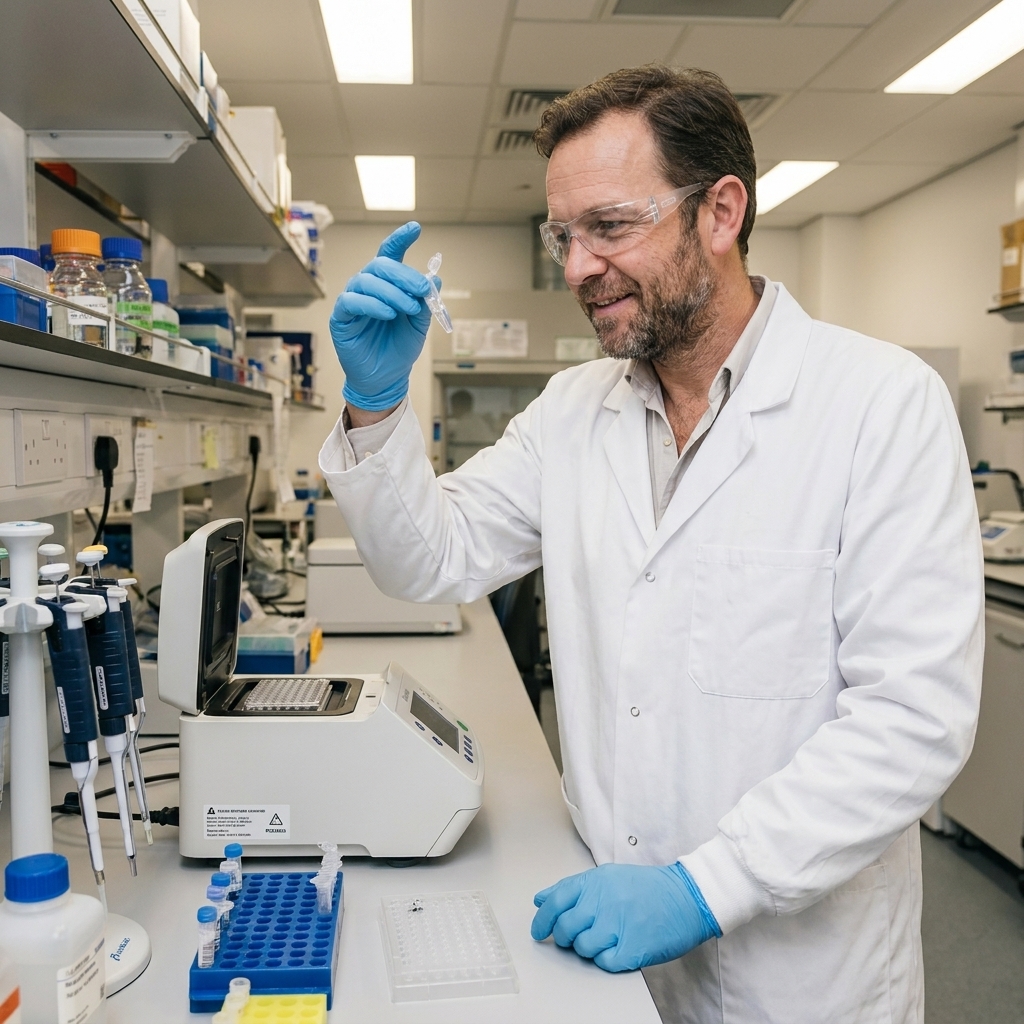
CRISPR has a reputation like a sci-fi gadget, but the real story is more interesting: it is becoming a practical medical tool. Not a magic wand, not a cure-all, but a way to rewrite tiny bits of DNA that drive certain diseases. If you have ever wished medicine could fix a problem at its root instead of just managing symptoms, this is that wish taking its first serious steps.
In everyday terms, CRISPR is a set of molecular scissors guided by a GPS-like RNA called a guide RNA (gRNA). It can cut DNA in a chosen spot, and then cells repair the cut. That repair can disable a harmful gene, sometimes correct a mutation, or alter regulation to increase beneficial gene expression. The twist is that there are now multiple flavors of CRISPR, including tools that edit single DNA letters (base editors) or write small changes more precisely (prime editors). Those upgraded toolkits are a big reason clinical applications are accelerating, but the field is also learning, in real time, where the hard limits are.
Below are seven leading clinical directions where CRISPR is reshaping medicine right now, with a focus on what is actually being tested in patients, what is already approved in some places, and what clinicians are learning along the way.
1) Sickle cell and beta thalassemia
If CRISPR has a first headline-maker, this is it. Sickle cell disease (SCD) and transfusion-dependent beta thalassemia (TDT) are caused by faults in hemoglobin, the oxygen-carrying protein in red blood cells. For years, treatment meant managing crises, transfusions, and complications.
CRISPR-based therapies have reached clinical reality in some jurisdictions by editing a patient’s own blood-forming stem cells outside the body (ex vivo), then reinfusing them after conditioning chemotherapy. A leading approach, exagamglogene autotemcel (exa-cel, marketed as Casgevy in some regions), does not directly fix the original mutation. Instead, it targets a genetic switch (often involving BCL11A regulation) to reactivate fetal hemoglobin, a naturally occurring form that can compensate for the broken adult version. Approvals and availability vary by country, payer, and center.
- What trials have reported (approximate, plain numbers): In pivotal and late-stage updates for exa-cel, most TDT participants achieved transfusion independence, and most SCD participants were free of severe vaso-occlusive crises (VOCs) for sustained periods after engraftment. Reported proportions have generally been in the broad range of about 80 to 95 percent for these primary outcomes, depending on the specific cohort and endpoint definitions. Follow-up in published pivotal updates is commonly around 12 to 24 months after patients reached response, with some individuals followed longer. These are strong results, but durability data are still accumulating.
- Why this matters: It is one of the clearest demonstrations that gene editing can produce durable clinical benefit from a one-time intervention.
- What remains hard: The process is intense. It involves stem cell collection, specialized manufacturing, myeloablative conditioning chemotherapy, hospitalization and monitoring, and the short-term risks that come with immune suppression and low blood counts. Conditioning is also a major driver of clinically material trade-offs, including infertility risk and the need for specialized supportive care.
How it works in clinic (quick snapshot): Collect stem cells, manufacture the edited cells, give conditioning chemotherapy to make room in the marrow, infuse the edited cells back, then monitor closely while the immune system and blood counts recover. The timeline is measured in weeks to months, not days.
2) In vivo editing, often in liver
Ex vivo editing is powerful, but it is like renovating a house by moving the whole building to a workshop. In vivo editing aims to do the renovation with the house still standing, delivering CRISPR tools directly into the body so target cells can be edited in place.
The liver is a favorite early target because it naturally filters blood and readily takes up certain delivery vehicles, including lipid nanoparticles (similar in spirit to some mRNA vaccine delivery systems) and engineered viral vectors.
- Concrete example: NTLA-2001 (an early-phase, small-n program) has reported human data in ATTR amyloidosis, showing that in vivo CRISPR editing can substantially reduce circulating transthyretin (TTR) protein levels after treatment. This is an early clinical signal, not a finished story.
- What this unlocks: Potential one-time treatments for diseases driven by liver-produced proteins, including some cholesterol and metabolic disorders.
- Clinical reality check: Safety demands are extremely high because you cannot recall an edit once it happens. Researchers also have to think about immune responses to Cas proteins or delivery vehicles, and whether redosing is possible. AAV-based delivery can be especially hard to redose because immune memory may block repeat dosing. LNP approaches may be more flexible in some settings, but they still have immune and tolerability constraints.
Think of it as the difference between updating an app on your phone (ex vivo, controlled) versus pushing firmware updates to devices already out in the world (in vivo, huge reach, higher stakes).
3) Base and prime editing
Classic CRISPR-Cas9 makes a cut in DNA. That cut is useful, but it can also bring risk because cells can repair it in unpredictable ways. Newer CRISPR-derived tools aim to be more like a pencil than scissors, although they still have their own failure modes and safety questions.
Base editing
Base editors can change one DNA letter to another without making a full double-strand break. That matters because a substantial proportion of pathogenic genetic variants are single-nucleotide changes. Not all of them are editable, and context matters, but the match between one-letter problem and one-letter tool is why clinicians are paying attention. One important nuance: base editing can also create bystander edits within its editing window if nearby letters are vulnerable.
Prime editing
Prime editing is often described as search and replace for DNA. It typically uses a Cas nickase plus a reverse transcriptase to write small changes guided by a specialized RNA. It avoids the classic double-strand break, but it still involves DNA nicking and can produce byproducts. Efficiency can vary by target, and outcomes can include indels or incomplete edits, so it is best thought of as a different risk profile, not automatically a safer one.
- Why clinicians care: More targeted editing can reduce certain unintended outcomes and may be a better fit when you need a specific correction rather than a blunt gene shutoff.
- Where trials are heading: Early clinical programs are exploring these tools for blood disorders, liver diseases, and other single-gene conditions where a defined nucleotide change could be transformative.
4) Eye diseases
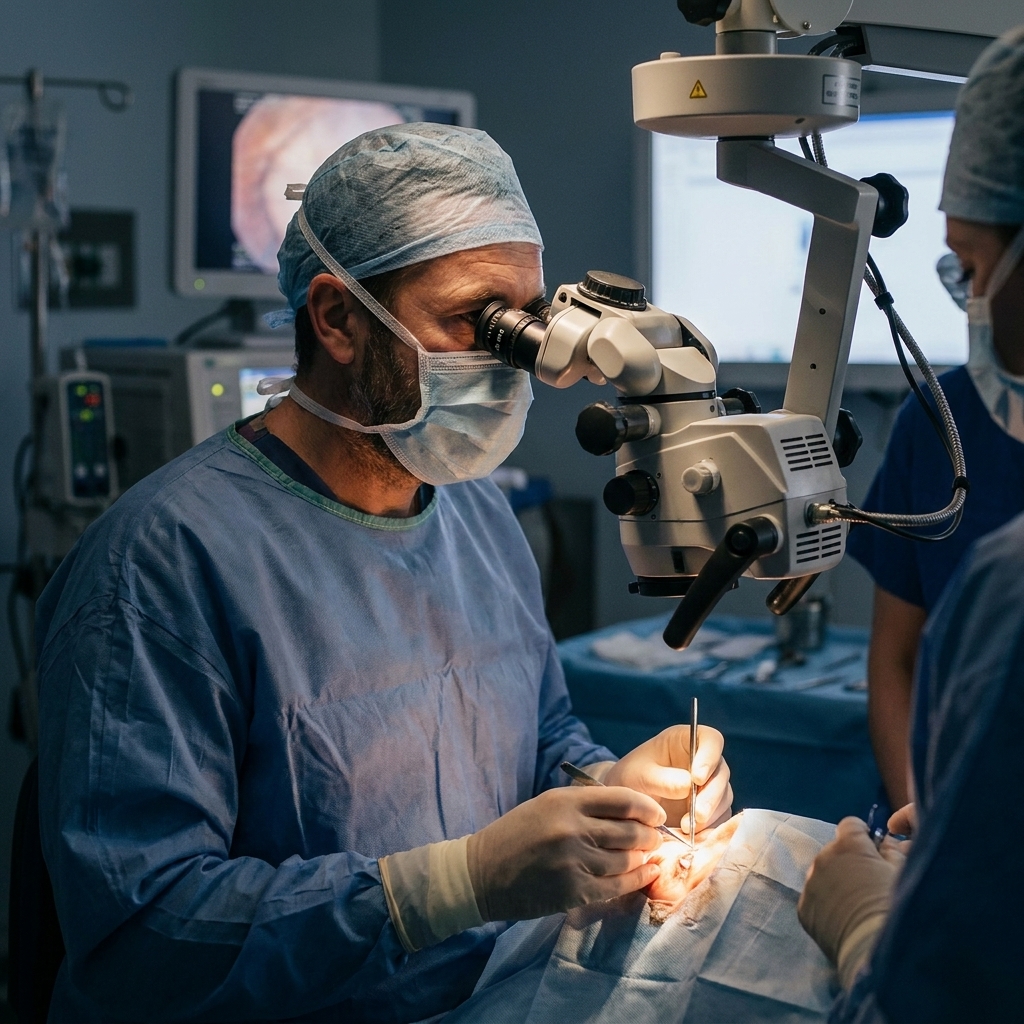
The eye is a compelling proving ground for gene editing. It is small, compartmentalized, and doctors can directly deliver therapies into specific regions. That combination helps with delivery and reduces systemic exposure.
Clinical efforts have focused on inherited retinal diseases where a known mutation leads to progressive vision loss. One well-known in vivo CRISPR program, EDIT-101 for a form of Leber congenital amaurosis, helped demonstrate feasibility of editing in the human body, but efficacy signals have been early and mixed. The field is still working out delivery, dosing, and which patients are most likely to benefit.
- Why this still counts as progress: For patients with rare inherited blindness, even slowing degeneration would be meaningful, and the eye offers a controlled setting to learn what works and what does not.
- What researchers watch closely: Inflammation, unintended edits, and whether treated retinal cells keep functioning for years.
5) CRISPR-enhanced T cells
Some of the most promising uses of CRISPR in oncology are not about editing the tumor directly. They are about editing the immune system to fight better.
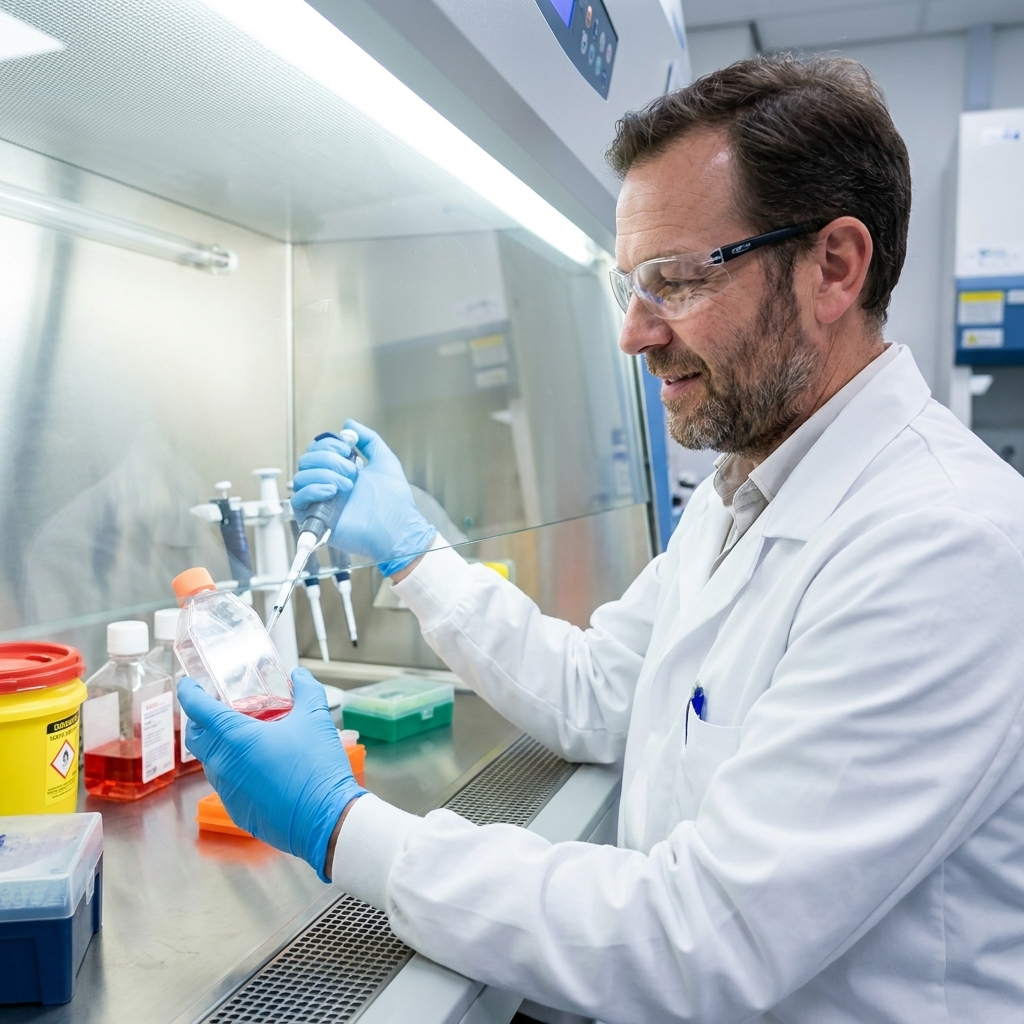
In several clinical programs, researchers remove T cells, edit them, and send them back into the body as a more capable anti-cancer squad. CRISPR can help by:
- Knocking out genes that act like brakes on T cells (for example, checkpoint-related targets)
- Enabling multi-edit cell products, including edits aimed at reducing mispairing or unwanted signaling
- For some allogeneic approaches, editing pathways such as TCR or HLA-related targets to reduce the chance of immune rejection, which is still being tested in trials
- Improving persistence so the cells keep hunting longer
These approaches overlap with CAR-T therapies, but CRISPR expands the menu of genetic tweaks, including multiple edits in the same cell product. Most CRISPR-edited T-cell approaches are still experimental, with ongoing trials evaluating safety, durability, and real-world tumor response.
Autologous vs allogeneic, in one breath: Editing your own cells avoids graft-versus-host disease risk, but manufacturing is slow and personalized. Off-the-shelf donor cells could improve access, but introduce added challenges like rejection and graft-versus-host disease that have to be engineered around.
6) Rare metabolic and neurologic targets
Rare genetic diseases are often devastating not because they are mysterious, but because they are relentlessly specific. One broken enzyme. One missing protein. One mutation that derails a critical pathway.
CRISPR is uniquely suited to this landscape because, in principle, it can be designed to target a defined DNA sequence. Clinical development is expanding across rare conditions, including metabolic disorders where corrected liver cells might restore a missing enzyme and reduce toxic buildup. For neurologic diseases, the logic is strong, but delivery past the blood-brain barrier remains one of the biggest engineering hurdles.
- Why this feels like a shift: Historically, many rare diseases had either supportive care or frequent lifelong infusions. A durable gene edit could shift that to a one-time or infrequent intervention for some conditions.
- What makes it challenging: Delivery, small patient populations, and the need for long follow-up to understand durability and late effects.
As a former teacher, I think of rare disease genetics like a single misprinted line in a massive instruction manual. CRISPR’s promise is not that it rewrites the whole book. It just fixes the line that keeps breaking the machine.
7) The bottlenecks
Not all breakthroughs are flashy. Some are the quiet kind that make everything else possible.
Better delivery
Getting CRISPR tools to the right cells, in the right dose, at the right time is often the limiting factor. Advances in lipid nanoparticles, engineered viral vectors, and tissue-targeting strategies are expanding which organs are within reach. The constraints are real: tissue specificity is hard, immune reactions can limit effectiveness, and redosing can be complicated. Immune memory to AAV or to Cas proteins can make repeat dosing difficult, which shapes which diseases and dosing strategies are realistic.
Reducing unintended edits
Researchers are engineering high-fidelity Cas proteins, improving guide RNA design, and using sequencing-based safety checks to minimize off-target activity. They are also watching for on-target issues like large deletions, rearrangements, or rare chromosomal translocations. Editing strategies that avoid double-strand breaks can reduce certain risks, but they do not eliminate risk overall.
Long-term monitoring
Because gene edits can be long-lasting, clinical trials increasingly emphasize long-term follow-up. Patients may be monitored for years for durability, immune reactions, and any signs of unintended consequences. Post-approval, this often continues through registries and mandated follow-up plans, because real-world evidence is part of the safety story.
- Why this counts as progress: Safer, more predictable editing is what turns CRISPR from a bold experiment into a platform clinicians can responsibly use.
What CRISPR can and cannot do
CRISPR is best for
- Single-gene diseases where the causal mutation and target tissue are well understood
- Blood and immune system disorders where cells can be edited ex vivo
- Targets with strong delivery options, like certain liver-produced proteins
CRISPR is not yet a fix for
- Most common complex diseases (like type 2 diabetes or most heart disease) that involve many genes plus environment
- Anything requiring safe, widespread editing across large, hard-to-reach tissues without excellent delivery
- Quick, casual genetic upgrades outside tightly controlled clinical settings
In other words, CRISPR is powerful, but it is also picky. It shines when biology gives it a clean target and clinicians can deliver it safely.
Common questions
Is CRISPR treatment available today?
For a small number of conditions, yes. For example, Casgevy (exa-cel) has been approved in some jurisdictions for SCD and TDT, with access typically limited to specialized centers. Many other uses are still in clinical trials. Availability depends on diagnosis, eligibility criteria, location, and healthcare systems.
Is it safe?
Safe in medicine always means benefits outweigh risks for a specific patient. CRISPR trials have shown real benefits, but risks exist, including immune reactions, unintended edits, and side effects from procedures like chemotherapy conditioning in ex vivo protocols. Safety profiles vary by disease, delivery method, and editing tool, and long-term monitoring is part of the deal.
Will edited genes pass to children?
These medical trials focus on somatic editing, meaning edits are made in body cells, not eggs or sperm. That means changes are generally not inherited. Editing embryos or reproductive cells raises major ethical and regulatory issues and is not part of standard medical practice.
Why does it take so long to roll out?
Because changing DNA is durable. Regulators and clinicians want strong evidence on effectiveness, side effects, and long-term outcomes. Manufacturing personalized cell therapies at scale is also a huge logistical challenge.
What about cost and access?
This is the part people whisper about, but it matters. Ex vivo therapies can be expensive and resource-heavy because they require specialized labs, hospital infrastructure, and trained teams. Even when a therapy works, real-world access can be limited by manufacturing capacity, payer coverage, and geography. The push toward simpler delivery and more scalable manufacturing is partly a science story, but it is also an equity story.
The big picture
CRISPR is not a single cure. It is a toolkit, and medicine is learning which jobs each tool can do best. The early wins in blood disorders show that precise gene editing can move from concept to clinic. The next wave is about making therapies simpler, safer, and more widely deliverable, especially for diseases where you cannot easily take cells out, edit them, and put them back.
As someone who loves the classroom aha moment, here is mine: CRISPR’s real shift is not that we can edit DNA. It is that we are starting to do it carefully and transparently in real patients, for real diseases, while admitting what we do not know yet and measuring the outcomes that matter.