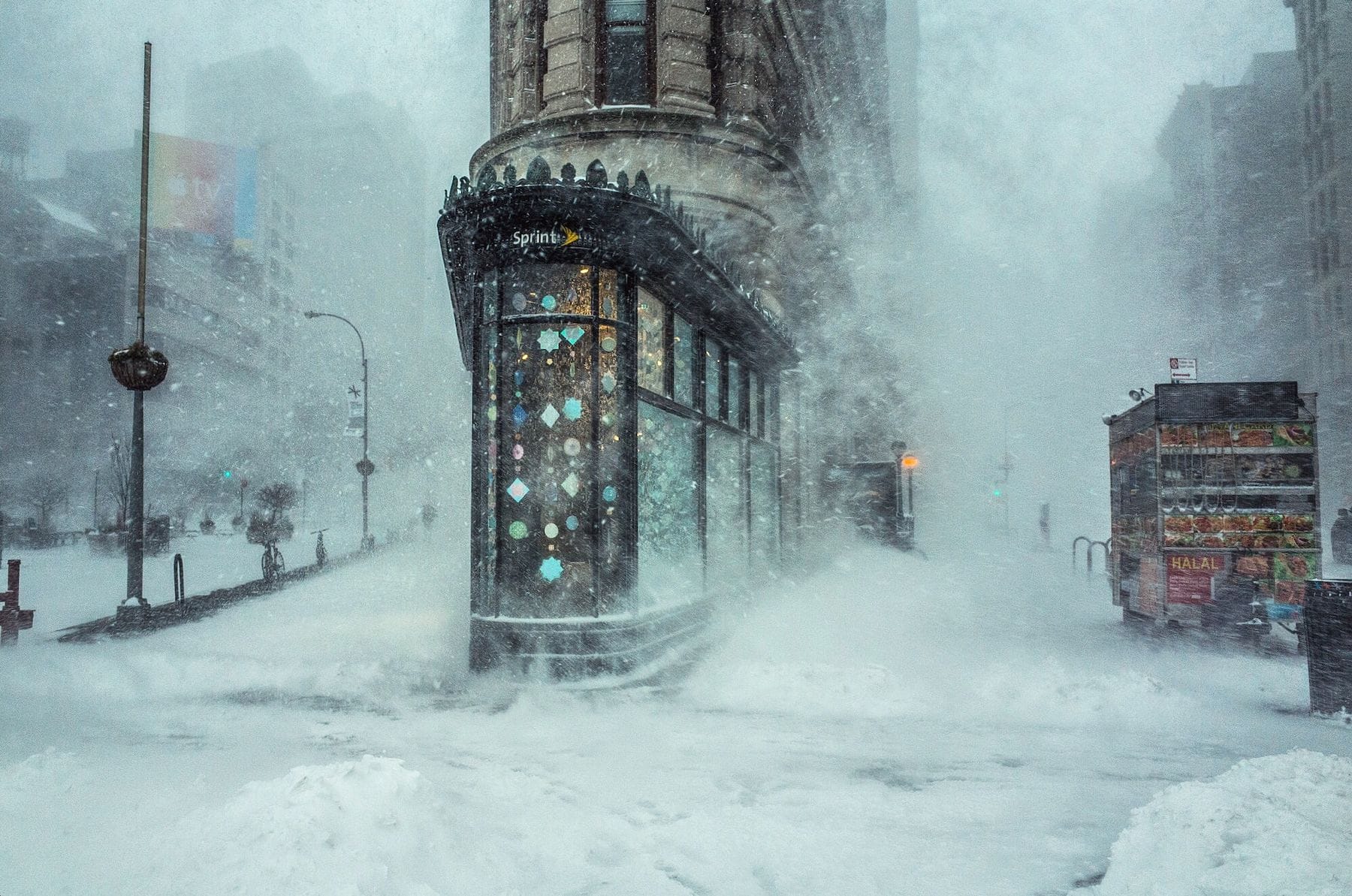
I still remember the first time I drove into a snow squall. One moment the highway was just gray and wet. The next, it felt like someone pulled a white curtain across the windshield. The sky did not slowly “roll in” like a classic snowstorm. It snapped shut. I went from cruising to gripping the wheel like it was a lab instrument I might drop.
That whiplash is the whole story of a snow squall: it is not about how much snow falls over a day. It is about how fast conditions can go from manageable to dangerous.
Snow squall definition
A snow squall is a short burst of heavy snow, often paired with gusty winds, that causes a rapid drop in visibility and can quickly make roads slick. Snow squalls often last minutes to about an hour. Sometimes they run a bit longer, but the dangerous part, the near-whiteout and flash-freeze risk, can hit in just a few minutes.
Think of a snow squall like a winter version of a summer downpour: the problem is not only the precipitation, it is the suddenness. You can go from “I can see the taillights ahead” to “I cannot see the next lane line” before your brain fully registers what changed.
What a snow squall looks and feels like
Snow squalls have a few common hallmarks:
- Visibility drops fast, sometimes to a quarter mile or less, occasionally to near zero, especially in the most hazardous squalls.
- Snowfall is intense for a short window, enough to quickly coat pavement.
- Wind gusts can blow falling snow and kick up loose snow, worsening the whiteout.
- Road conditions change abruptly, from wet to snow-covered to icy in a short stretch.
In practical terms, drivers often describe it as entering a “white wall.” And because squalls are narrow and fast-moving, you might drive out of it as quickly as you drove in, which can create a dangerous mix of braking, accelerating, and lane changes within a short distance.
What causes a snow squall?
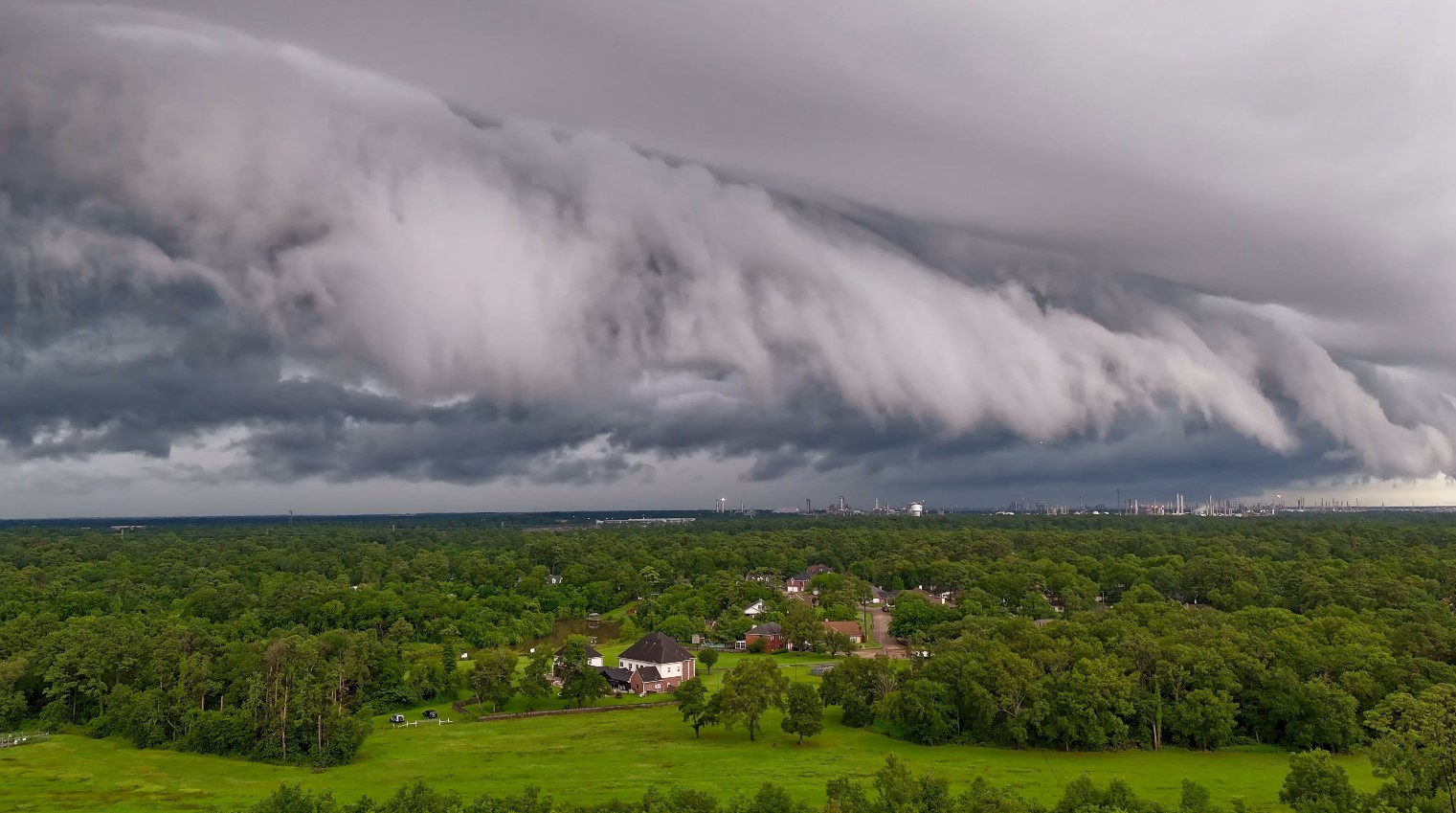
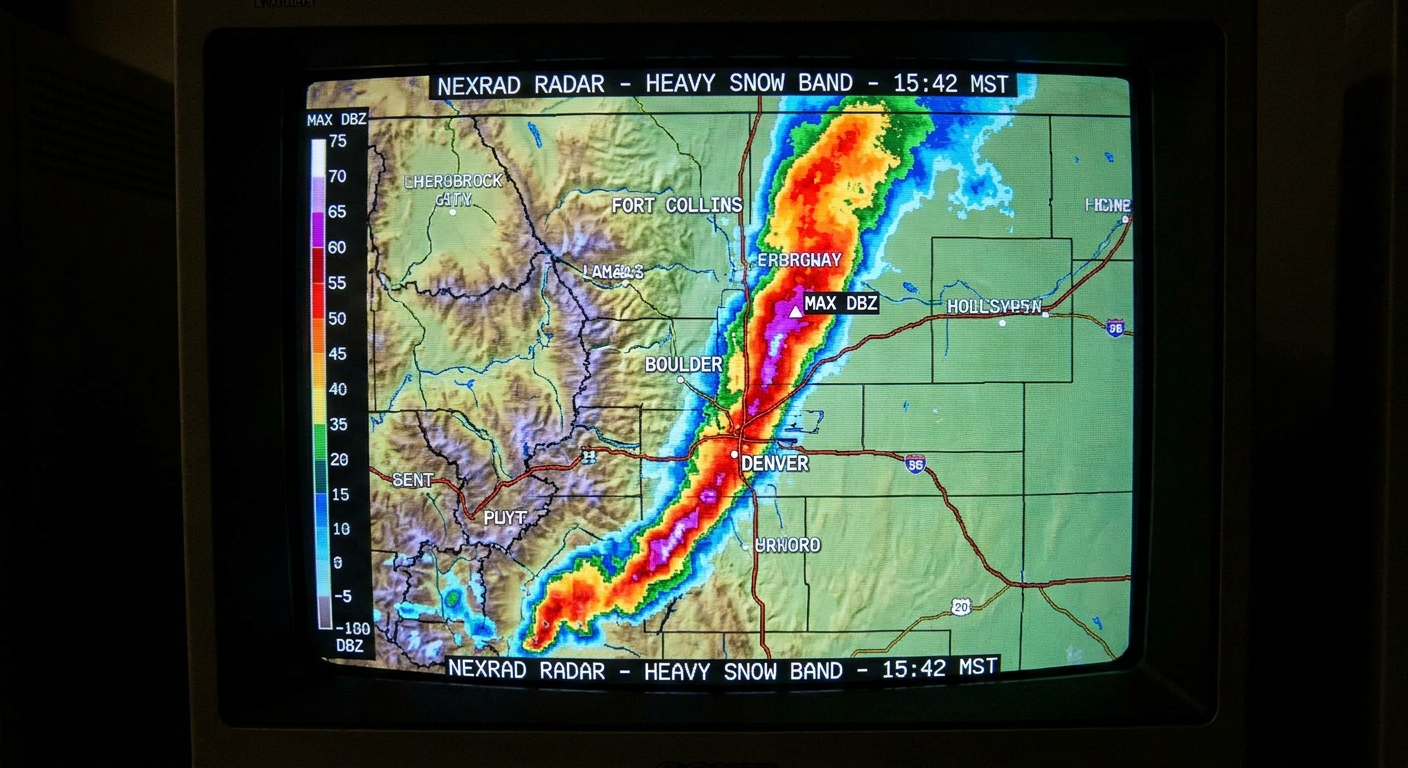
Snow squalls are usually tied to cold, unstable air. When very cold air sweeps over a region, it can make the lower atmosphere eager to rise and churn. Add lift from a passing cold front or other atmospheric trigger, and you can get a quick, convective burst of snow.
Two common setups
- Frontal snow squalls: A cold front pushes through, forcing air upward quickly. That rapid lift can produce a narrow band of heavy snow and gusty wind.
- Lake-enhanced squalls: In some regions, cold air traveling over relatively warmer water can pick up heat and moisture, feeding narrow, intense snow bursts. These can be related to lake processes even when the event is brief and squall-like rather than a long-duration lake-effect band.
The physics piece is simple: rising air cools, water vapor condenses into snow crystals, and when the upward motion is strong and focused, snowfall rates can spike quickly.
And about that flash icing: one common ugly setup is a road that is merely wet or slushy, followed by a quick surge of colder air and a burst of intense snow. The temperature can drop fast enough that what was “just wet” turns slick in a hurry.
Snow squall vs. blizzard vs. snowstorm
Winter weather terms can sound interchangeable, but they are describing different kinds of hazards.
Snow squall
- Duration: Minutes to about an hour
- Main hazard: Sudden whiteout and rapid road icing
- Typical feel: A quick punch that hits hard and leaves fast
Blizzard
- Duration: Sustained for hours
- Main hazard: Prolonged strong winds and low visibility over a longer period
- Typical feel: Long-lasting travel shutdown conditions
General snowstorm
- Duration: Hours to days
- Main hazard: Accumulation, widespread impacts, ongoing slippery roads
- Typical feel: A slow-building event with a longer “weather window”
The key difference is the time scale. A snow squall can be more dangerous than you would expect from its snowfall total because it compresses the worst conditions into a short span, often right on top of commuters.
Snow Squall Warning
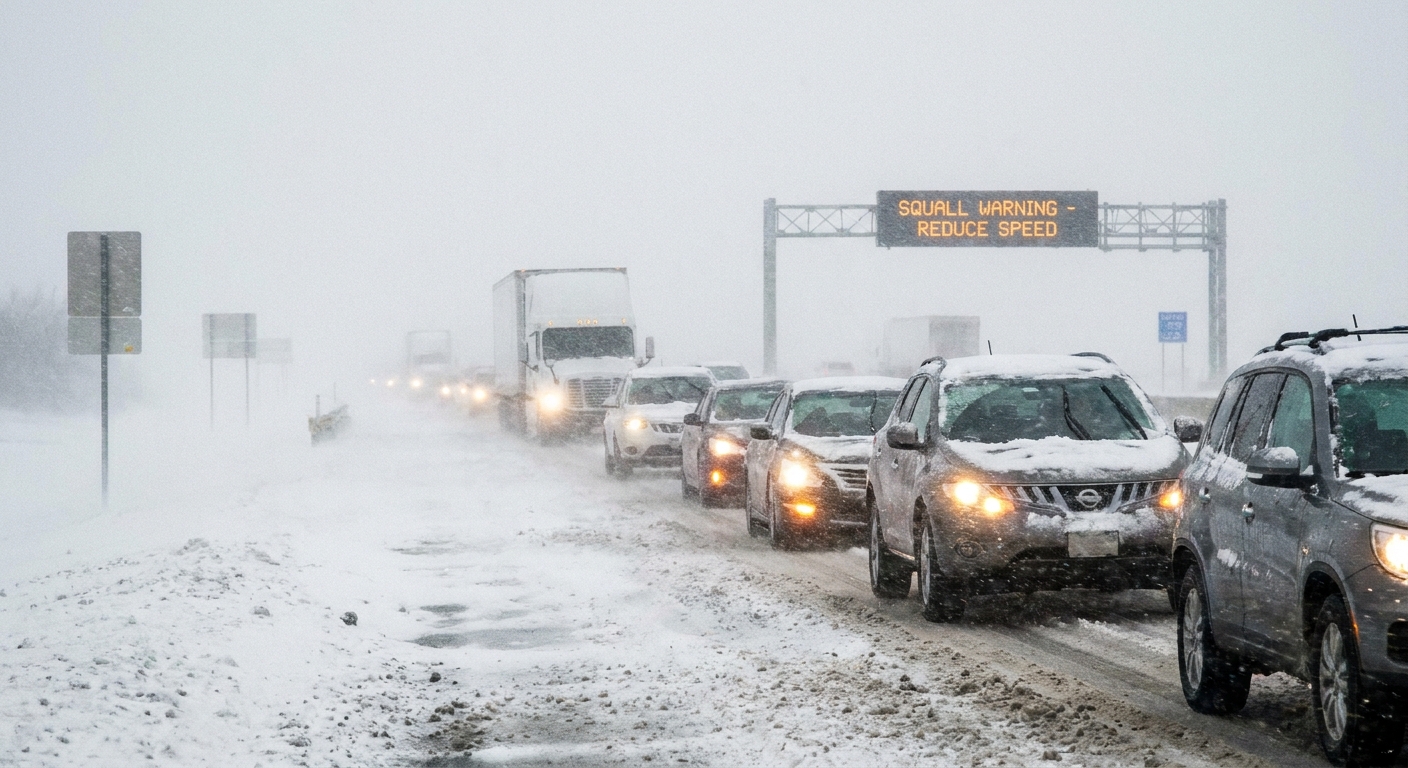
A Snow Squall Warning is an alert issued when conditions are expected to produce a snow squall that can create life-threatening travel, especially from whiteout visibility and flash icing on roads. Not every burst of snow triggers this warning. The idea is to flag the kind of squall most likely to cause crashes and pileups.
These products are not universal everywhere. In the U.S., the National Weather Service may issue a Snow Squall Warning. Other countries may use different warning names or formats for similar hazards.
If you see one, treat it like a short-fuse warning. You may have very little time to adjust plans before the worst conditions arrive.
Why warnings focus on roads
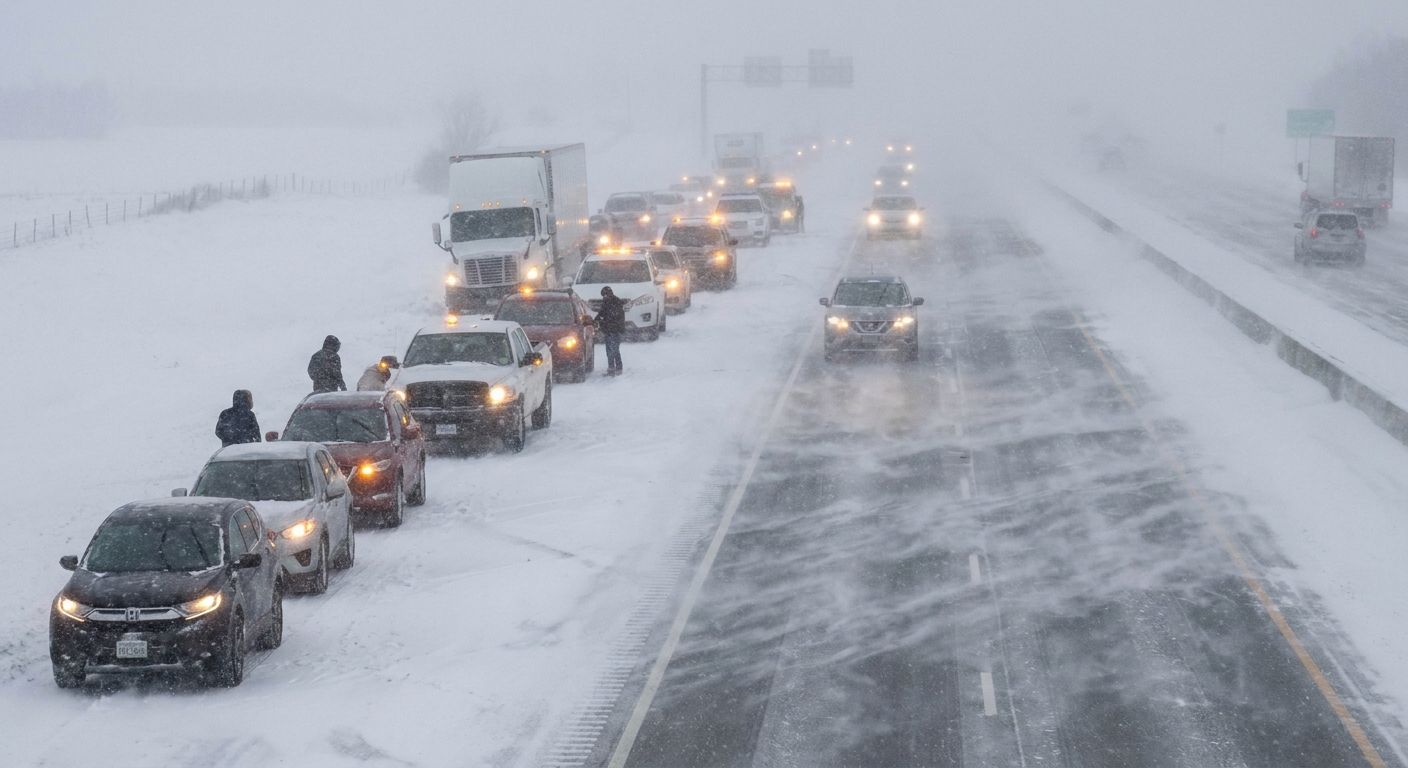
Snow squalls are notorious for causing multi-vehicle accidents because they combine three things drivers hate:
- Sudden braking when visibility collapses
- Sudden loss of traction as snow and ice coat pavement
- Chain reactions because vehicles behind cannot see stopped traffic in time
Why squalls cause pileups
From a physics-teacher perspective, pileups are a grim example of systems failing all at once. Reaction time, friction, and spacing matter on any day, but a squall attacks each of them simultaneously.
1) Visibility goes first
When you cannot see far ahead, you cannot plan your braking smoothly. Drivers end up making abrupt inputs, which increases skidding risk.
2) Friction drops next
Snow and especially a thin glaze of ice can slash tire grip. Even with anti-lock brakes, you cannot stop on a dime if the road is suddenly slick.
3) Human behavior amplifies it
Some drivers instinctively slow dramatically, others try to “push through,” and the mix is dangerous. Add trucks with longer stopping distances, and the dominoes can fall fast.
What to do in a squall
If you are on the road when a squall hits, the goal is simple: stay predictable, slow down smoothly, and avoid sudden moves.
Driving steps that help
- Slow down gradually and increase following distance. Gentle inputs beat panic braking.
- Turn on headlights so others can see you. Avoid high beams in heavy snow because glare can worsen visibility.
- Stay in your lane and avoid frequent lane changes.
- Watch for brake lights ahead and assume traffic may be stopped beyond your sight line.
- Do not use cruise control on slick roads. You want full control, full-time.
- Give plows and big trucks extra room. They need space, and their spray can blind you.
- Be cautious on bridges and overpasses, which can ice faster than regular pavement.
If visibility drops to near zero
If you truly cannot see, it may be safer to exit the roadway when possible and wait it out somewhere safe. A snow squall is often short. Patience is a powerful safety tool here.
If you must pull over, avoid stopping on the shoulder of a high-speed road if it is not safe to do so. Being stationary in low visibility can put you at risk of being struck. When in doubt, prioritize getting to a safer location such as an exit, rest area, or parking lot.
How to prepare
You cannot “outdrive” physics, but you can set yourself up for better odds.
- Check short-term forecasts before heading out in cold-front weather, especially for commute windows.
- Keep washer fluid topped up and wipers in good shape. Slushy snow can smear visibility fast.
- Carry basic winter gear in the car: warm layers, gloves, a flashlight, and a phone charger.
- Give yourself more time so you are not tempted to maintain speed when conditions flip.
How to spot a squall coming
If you like watching the weather, squalls often show up as a narrow, fast-moving band of heavier precipitation along or just behind a cold front. But do not play amateur meteorologist at 70 mph. The practical move is to rely on official alerts and real-time road reports, and to take any sudden visibility drop as a signal to change how you drive immediately.
FAQ
How long does a snow squall last?
Many snow squalls last minutes to about an hour. The most intense whiteout conditions are often brief, but they can be severe while they are happening.
How much snow falls in a snow squall?
It varies. Some squalls only drop a dusting, while others can lay down enough snow to quickly cover roads. The defining feature is not total accumulation, it is high snowfall rate and rapid visibility loss.
Can there be thunder in a snow squall?
Yes. If the atmosphere is unstable enough, you can get thundersnow, which is rare but real. It is a sign the snow is being produced by vigorous, convective clouds.
Are snow squalls the same as lake-effect snow?
Not exactly. Lake-effect snow often comes in longer-lasting bands that can keep dumping snow for hours. A squall is typically short-lived and more like a quick, intense burst, although lakes can help power some squalls in the right setup.
The takeaway
A snow squall is winter weather’s jump scare: a brief event that can create heavy snow, gusty wind, and sudden whiteout visibility with little warning. If you see a Snow Squall Warning or notice visibility collapsing fast, the safest move is to treat the next few miles like a completely different road surface and a completely different set of rules.
And if you can wait it out, do. Snow squalls are often over quickly. The hard part is respecting how dangerous a few minutes can be.