
Memory can feel like a filing cabinet, a camera roll, or a stubborn browser with too many tabs open. In reality, it is all of those metaphors and none of them. Your brain does not store experiences as single, neat files. It rebuilds them from patterns of activity spread across networks, and recalling a memory can sometimes update those patterns rather than simply replaying them.
That sounds slippery, but it is good news. It means memory is not just something you have. It is something your brain does , and you can influence how well it does it with sleep, attention, and the way you practice remembering.
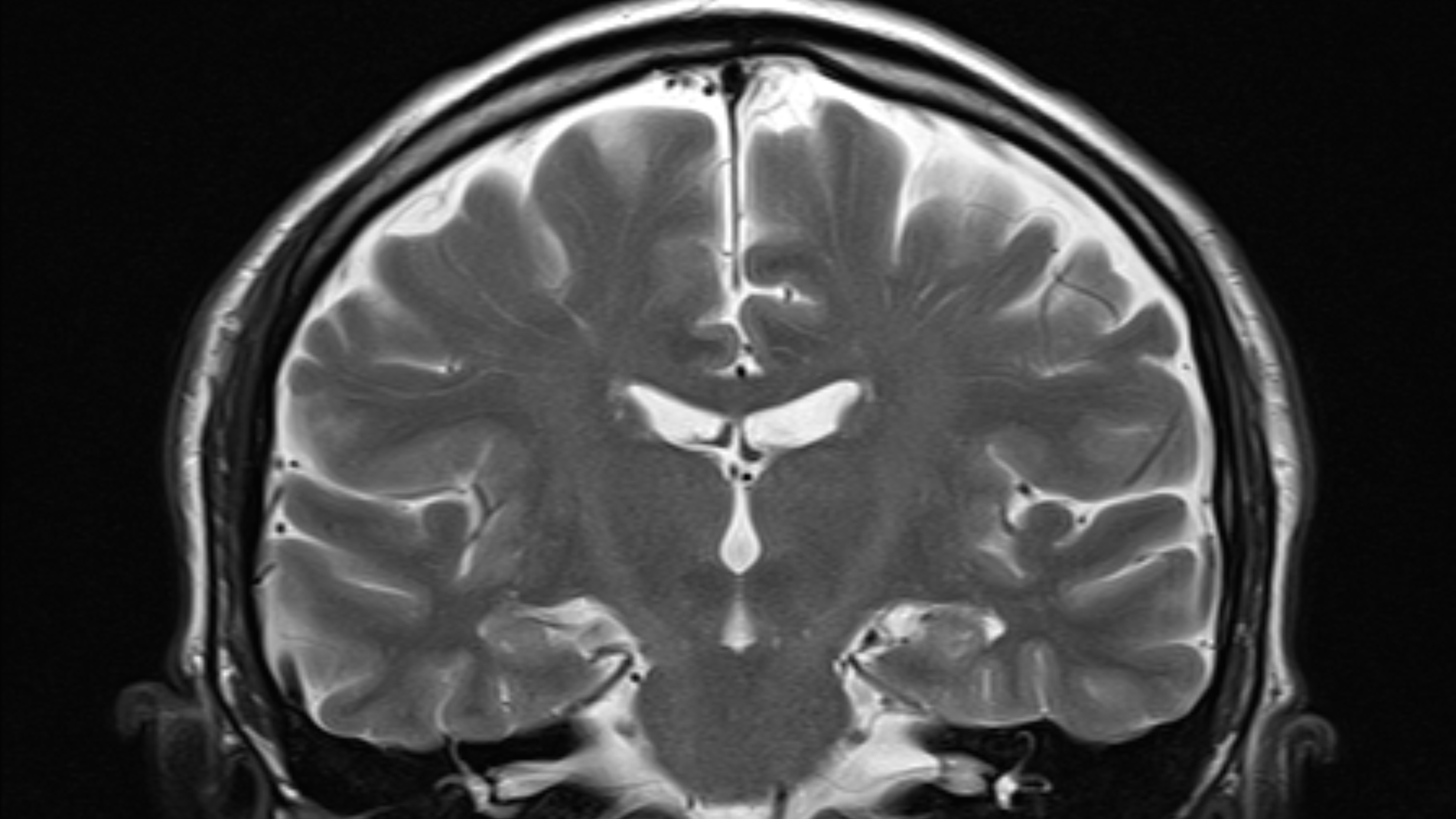
Memory in three moves: encode, store, retrieve
Many researchers describe memory as a process with three core steps. Each step has its own failure modes, which is why forgetting is not one single problem with one single fix.
- Encoding: turning an experience into a pattern of neural activity. If encoding is weak, storage never really gets started.
- Storage: keeping that pattern available over time. This depends on changes at synapses and on how information is organized across brain regions.
- Retrieval: reactivating the pattern later. Retrieval is not a simple playback. It is more like reconstructing a song from sheet music while the sheet music is smudged and, in some cases, the act of playing can slightly alter what is written there next time.
If you have ever said, “I know I know this,” and then the answer pops into your head in the shower, that is often a retrieval issue, not a storage issue. The memory was there, but the brain needed a better cue or a calmer state to access it.
Short-term vs long-term memory
We casually say “short-term memory” to mean anything we forget quickly, but in the brain, there are at least two important categories to separate: working memory and long-term memory.
Working memory: the brain’s mental whiteboard
Working memory is the small, temporary workspace you use to hold and manipulate information. It is what lets you remember a phone number long enough to type it, or keep track of the steps in a math problem. It leans heavily on networks that involve the prefrontal cortex and parietal cortex.
Working memory is limited, and capacity varies by person and by task. In many everyday situations, you can actively hold only a few meaningful “chunks” at once. That limit is why multitasking feels productive but usually is not. Switching tasks forces your brain to reload the mental whiteboard over and over.
Long-term memory: durable patterns spread across the cortex
Long-term memories can last from hours to decades. They are not stored in a single “memory drawer.” Instead, pieces of a memory live in the sensory and association areas that processed them in the first place, plus linking hubs that help tie those pieces together.
Long-term memory includes multiple types, each with its own brain circuitry:
- Episodic: personal experiences, like your last birthday.
- Semantic: facts and concepts, like what photosynthesis is.
- Procedural: skills, like riding a bike or typing, supported strongly by circuits involving the basal ganglia and cerebellum.
- Emotional: learned fear and safety signals, strongly shaped by the amygdala.
The hippocampus: your brain’s “save button” (with a catch)
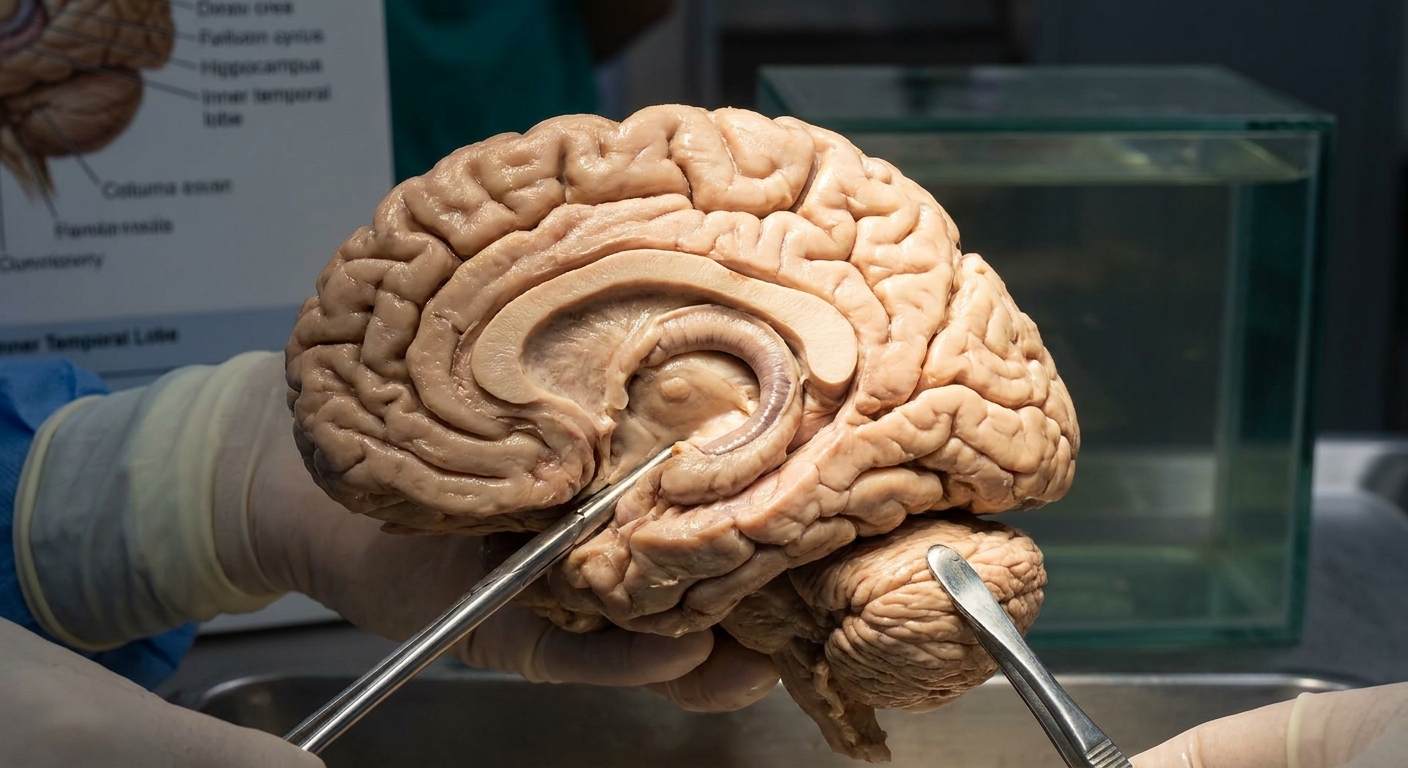
If memory were a phone, the hippocampus would be part of the system that helps new information get saved in a way you can reliably find later. It is especially important for forming new episodic memories and linking together the who, what, where, and when of an experience.
But here is the catch: the hippocampus is not where most long-term memories ultimately “live.” Over time, many memories can become less dependent on the hippocampus and more distributed across the cortex. This gradual shift is often described as systems consolidation.
That is why damage to the hippocampus can cause profound difficulty forming new memories, while older memories may remain relatively intact in many cases, though the pattern can vary across individuals and injuries.
Synapses: where memories become physical
To store information, the brain has to change. One major way it changes is by adjusting the strength of connections between neurons, called synapses. The phrase you might hear is “neurons that fire together wire together,” which points to a core idea: repeated coordinated activity makes a pathway easier to activate again.
At the cellular level, memory-related changes often involve:
- Long-term potentiation (LTP): synapses become more effective after certain patterns of activity.
- Long-term depression (LTD): synapses become less effective, which can help refine circuits by weakening less useful connections.
- Structural changes: growth or reshaping of dendritic spines, which are tiny protrusions where synapses form.
Think of LTP less like “saving a file” and more like wearing a path into a field. Walk it once and it is faint. Walk it repeatedly and it becomes the route your feet naturally choose.
Consolidation: why sleep matters
Consolidation is the process that stabilizes memories after initial learning. It is not instant. Your brain continues working on new information after you stop studying, especially during sleep .
What sleep does for memory
During sleep, especially deep non-REM sleep, the brain shows patterns consistent with replay and reactivation of recent learning. This is often discussed in terms of hippocampal-cortical communication that helps stabilize and reorganize new information. REM sleep is also implicated for some kinds of memory, particularly emotional and procedural learning, but its role is more nuanced and can depend on what you are learning.
Practically, sleep helps you in at least three ways:
- Strengthening: making important patterns more stable and easier to retrieve.
- Integration: linking new information with older knowledge so it becomes more usable.
- Noise reduction: helping your brain separate the signal from the day’s clutter.
Why all-nighters backfire
An all-nighter can feel like you squeezed more study time out of the day. But you often trade away the very biology that makes the studying stick. You also show up to the exam with reduced attention and weaker working memory, which harms encoding and retrieval at the exact moment you need them most.

Why some memories stick
Have you noticed that you can forget a coworker’s name five seconds after hearing it, but remember the lyrics to a song you have not heard in ten years? That difference is not moral. It is mechanical.
Attention is the entry fee
If you are distracted, encoding is shallow. Your brain simply does not tag the information as important enough to spend resources on. This is why “I studied for hours” can be true, and “none of it went in” can also be true if those hours were fragmented by constant context switching.
Emotion adds highlighter ink
Emotionally charged events often feel unforgettable. The amygdala interacts with memory systems in ways that can prioritize consolidation, especially for experiences linked to threat or reward.
But vivid does not always mean accurate. Emotion can strengthen the central gist of an event while leaving peripheral details fuzzier, and confidence is not a guarantee that a memory is correct.
Meaning beats repetition alone
Rote repetition can work, but meaning often works better. When you connect new information to existing knowledge, you create more retrieval routes. In brain terms, you are building a richer web of associations.
Context becomes a cue
Memory retrieval depends on cues. Where you learned something, what you were feeling, even what you were smelling can become part of the retrieval landscape. This is one reason you can walk into a room and forget what you came for. Your brain changed contexts, and the cues shifted.
Study habits that fit the brain
Good studying is less about grinding and more about partnering with your biology. Here are approaches that consistently align with what we know about encoding, consolidation, and retrieval.
1) Practice retrieval, not just review
Re-reading feels fluent because the information is right there. But fluency is not the same as memory. Testing yourself forces retrieval, which strengthens the pathways you will need later.
- Close the notes and write what you remember.
- Use practice problems.
- Explain the idea out loud as if teaching someone else.
2) Space it out
Spacing study sessions over time is powerful because it introduces desirable difficulty. Each session requires your brain to reconstruct the memory again, strengthening it. Cramming can raise short-term performance, but spaced practice tends to win for long-term retention.
3) Interleave related topics
Instead of doing 20 nearly identical problems in a row, mix problem types. Interleaving helps your brain learn the decision of which method to use, not just the method itself.
4) Use chunking and structure
Working memory is limited, so give it handles. Group details into meaningful units, build outlines, and organize facts into cause-and-effect chains. Structure is not just tidy. It is a retrieval map.
5) Sleep like it is part of the assignment
If you want a simple rule that pays off, it is this: study, then sleep. Even a short nap can help some forms of memory, but consistent nighttime sleep is where the heavy lifting happens.

When memory fails
Forgetting is not a design flaw. It is a feature that prevents your brain from being buried under irrelevant detail. Names slipping, misplacing keys, and blanking on a word you know are common, especially under stress, poor sleep, and overload. Normal aging can also bring slower recall and more tip-of-the-tongue moments, even when knowledge is still there.
But persistent changes that interfere with daily life deserve medical attention, especially if they are new, worsening, or noticeable to others. Examples include getting lost in familiar places, repeated trouble following routine tasks, or major difficulties learning new information. If you are concerned about your memory or a loved one’s memory, it is worth talking with a qualified clinician.
Quick FAQ
Is memory stored in one place?
No. The brain distributes memory across networks. The hippocampus helps organize and stabilize new memories, while many long-term components are stored across the cortex in the regions that originally processed the information.
Can you improve memory?
You can often improve memory performance by improving encoding and retrieval conditions. The big levers are focused attention, spaced practice, retrieval practice, stress management , and sleep.
Why do I remember embarrassing moments so clearly?
Strong emotion can prioritize consolidation. Your brain treats social threats as important learning signals. Unfortunately, that can make certain memories feel sticky even when they are not useful, and the feeling of certainty can outpace the accuracy of details.
Does multitasking hurt memory?
Usually, yes. Multitasking tends to reduce attention during encoding and overload working memory, which leads to weaker initial learning and more fragile recall later.
The takeaway
Memory is not a perfect recorder. It is a living system that builds durable patterns through attention, repetition, meaning, and sleep. If you want more of those “I’ve got it” moments, focus less on time spent staring at information and more on the moments when your brain has to pull it back out, then give it time to cement the changes, ideally overnight.
Your brain is already doing the work. The trick is to set up the conditions where it can do it well.