I used to tell my physics students that science loves to reuse good ideas. Nature does the same thing. One spinning, powerful type of storm shows up in different oceans around the world, and we give it different names depending on where it forms.
So if you’ve ever wondered whether a hurricane is “worse” than a typhoon, or whether a cyclone is a totally different beast, here’s the simple answer: they are the same kind of storm. The difference is mostly geography and naming conventions.
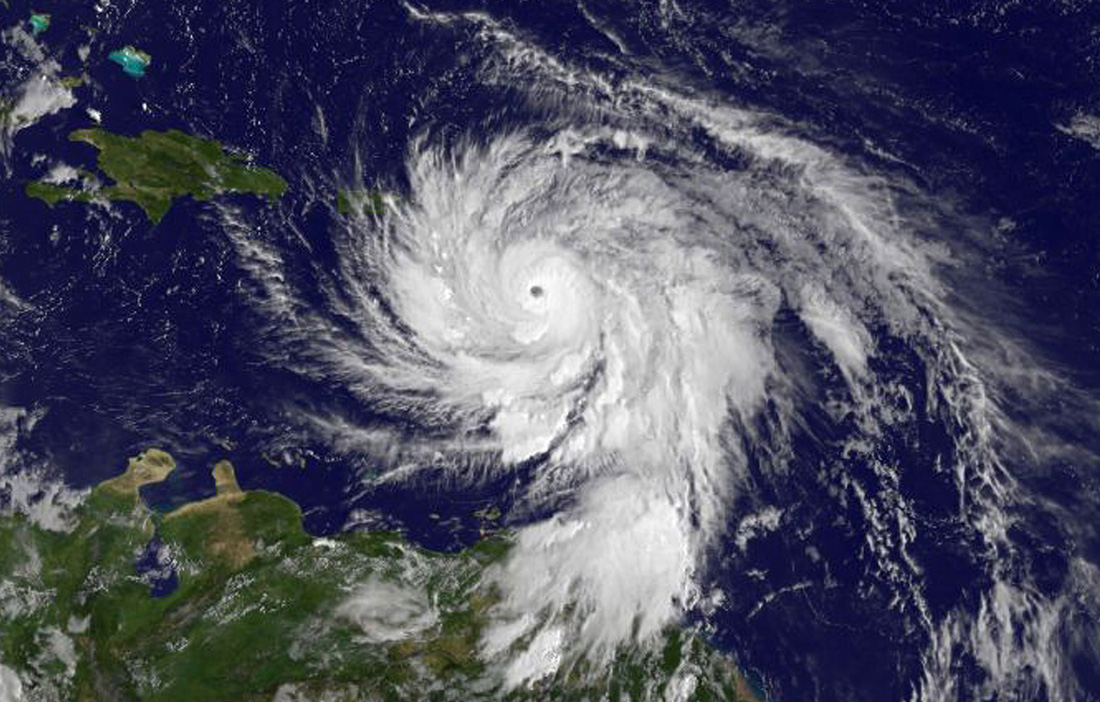
They’re all tropical cyclones
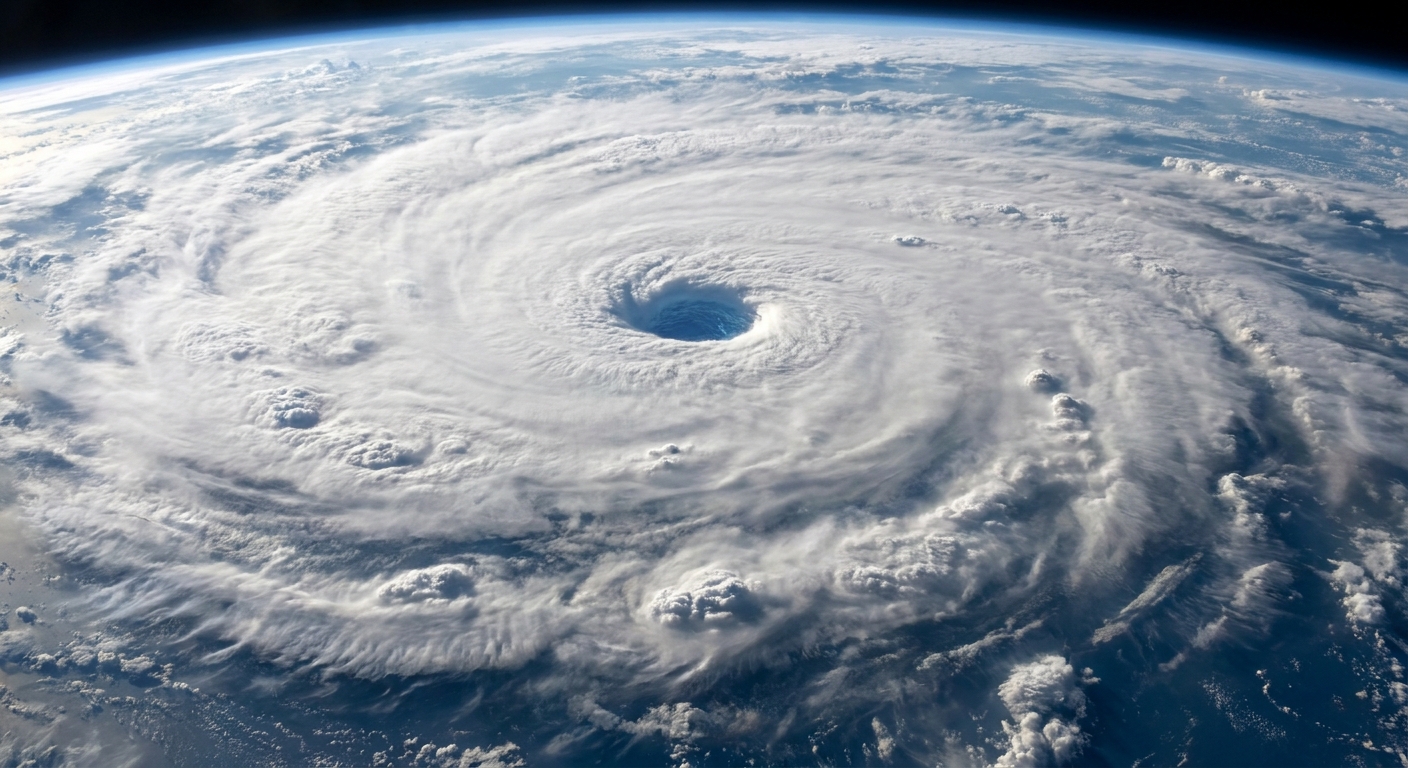
Hurricane, typhoon, and cyclone are regional names for a tropical cyclone, which is the general term for a large, rotating storm system that forms over warm tropical oceans.
Think of “tropical cyclone” as the family name, and hurricane, typhoon, and cyclone as the regional nicknames. Same basic storm, different map location.
The name depends on the ocean basin
Meteorological agencies divide the world’s oceans into regions called basins. When a tropical cyclone forms in a given basin, it gets the name that basin uses.
- Hurricane: Atlantic Ocean and the Northeast Pacific
- Typhoon: Northwest Pacific
- Cyclone: Indian Ocean and South Pacific
The boundaries are “usual” rather than perfectly intuitive, because they’re based on how forecasting responsibility is divided and how storms are historically tracked.
Where hurricanes happen
A storm is called a hurricane when it forms in either of these regions:
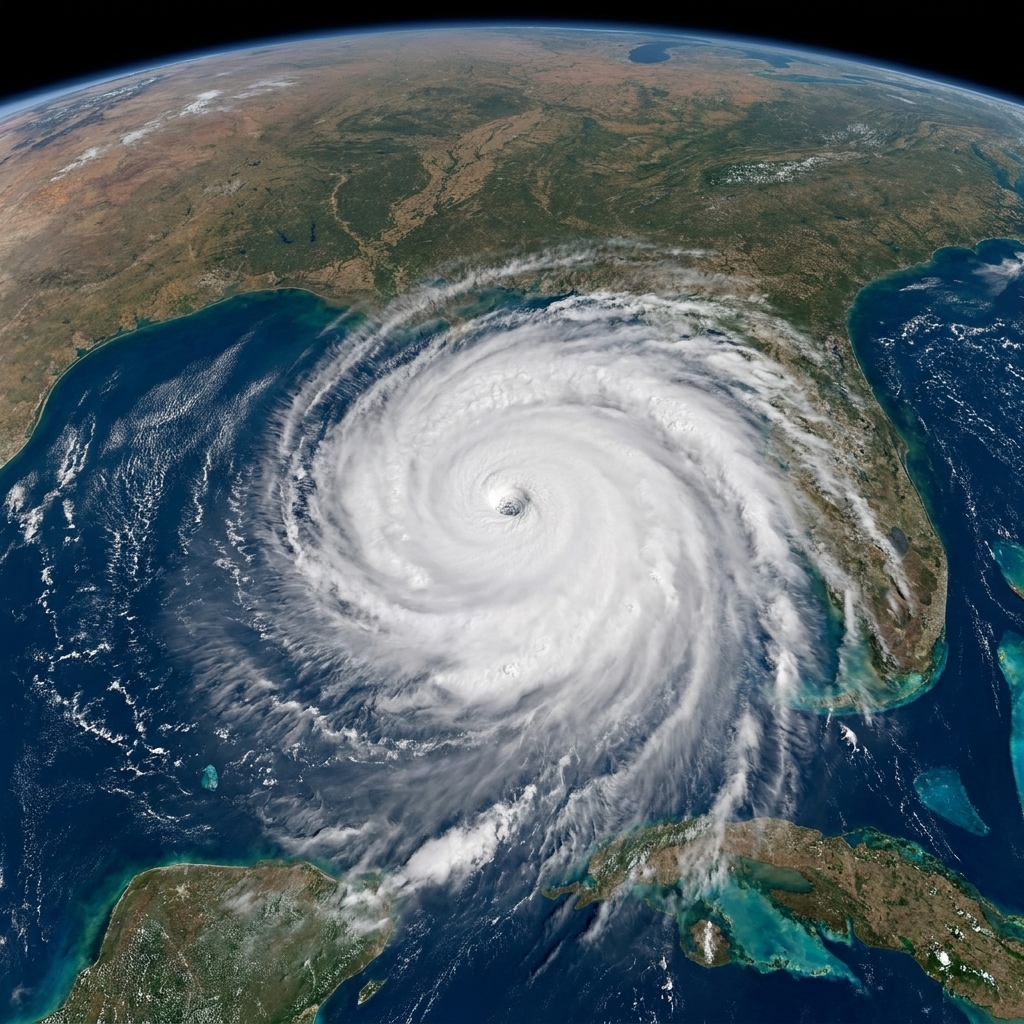
- North Atlantic Ocean, including the Caribbean Sea and Gulf of Mexico
- Northeast Pacific Ocean, generally east of the International Date Line
If you live along the U.S. East Coast, the Gulf Coast, Mexico’s Pacific coast, Central America, or many Caribbean islands, “hurricane” is the label you’ll hear most often.
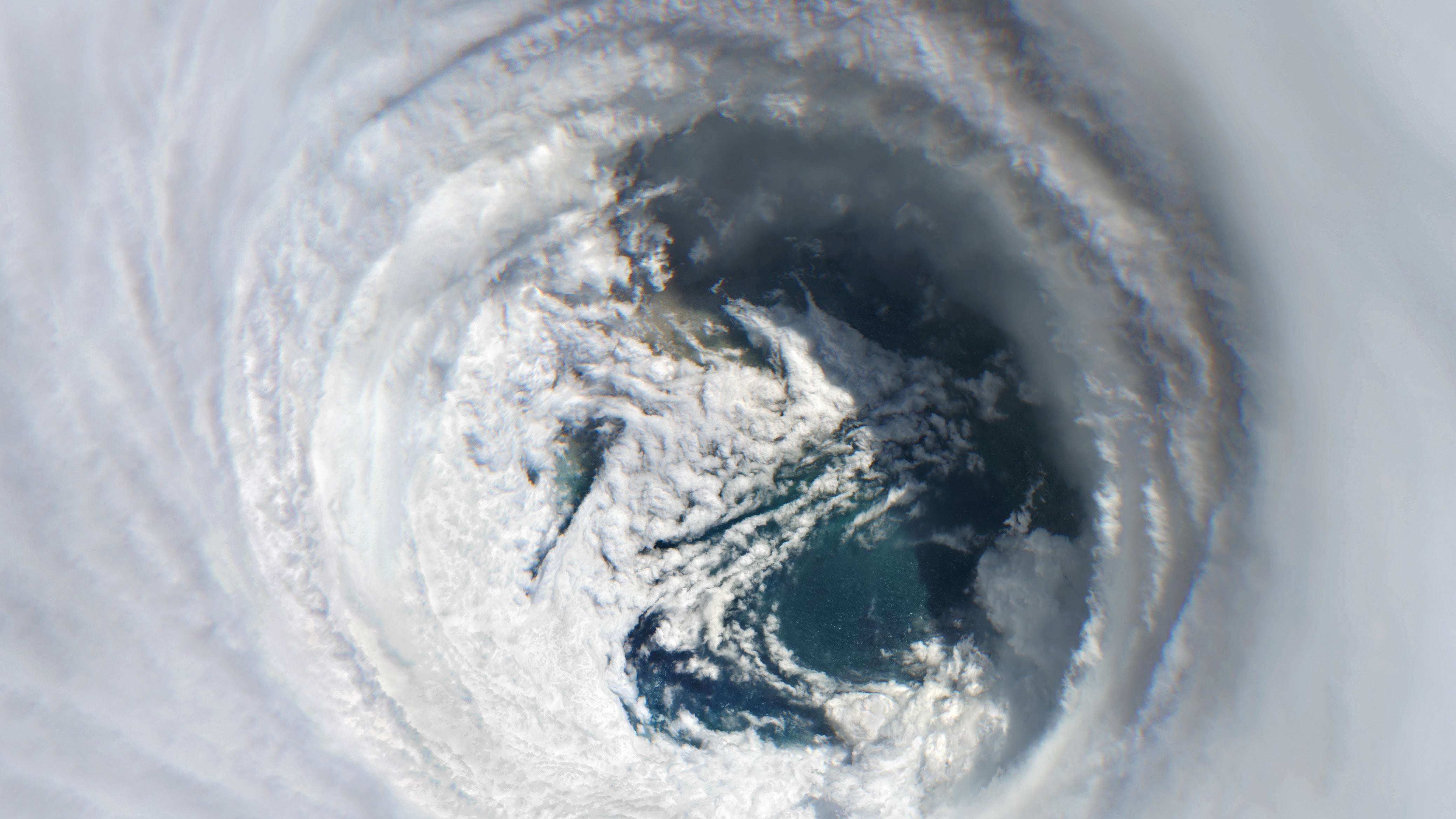
Where typhoons happen
A storm is called a typhoon when it forms in the Northwest Pacific Ocean, typically west of the International Date Line.
This is the basin that affects places like the Philippines, Taiwan, Japan, and coastal regions of China and Vietnam. You will still see the term “tropical cyclone” used in scientific contexts, but in everyday news coverage across this region, “typhoon” is the go-to word.
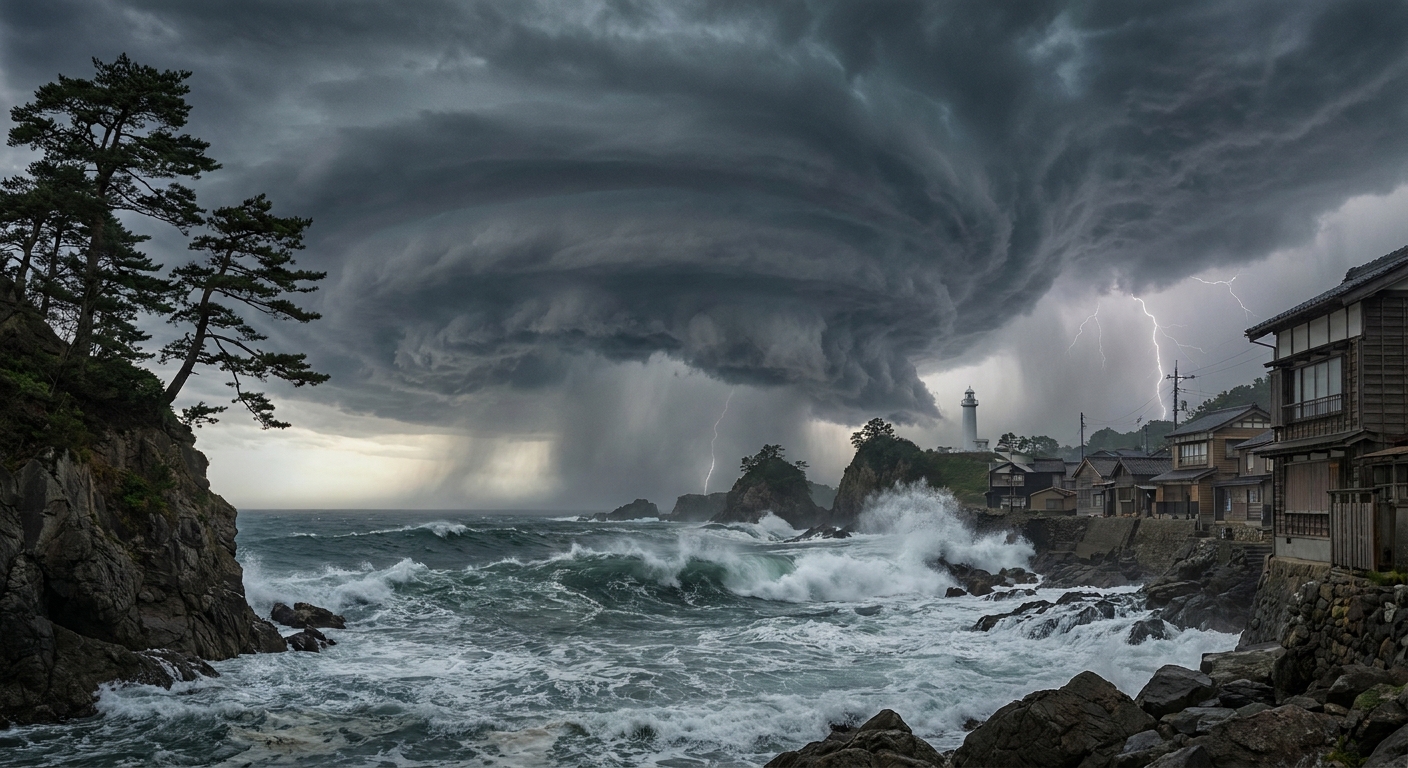
Where cyclones happen
The word cyclone can be a little confusing because it is also used as a broad scientific term for rotating weather systems. But in everyday tropical-storm naming, a storm is typically called a cyclone when it forms in:
- The Indian Ocean (including the Bay of Bengal and Arabian Sea)
- The South Pacific Ocean (including regions near Australia and island nations such as Fiji and Vanuatu)
So if you hear “cyclone” in news coverage about India, Bangladesh, Myanmar, Oman, Madagascar, or northern Australia, it’s usually referring to the same type of tropical cyclone that Americans would call a hurricane.
Quick memory trick
If you like neat mental hooks, here’s one that works surprisingly well:
- Hurricanes are in the Atlantic and east Pacific.
- Typhoons are in the west Pacific.
- Cyclones are in the Indian Ocean and south Pacific.
I sometimes picture the Pacific split down the middle by the International Date Line. On the east side, “hurricane.” On the west side, “typhoon.” Then “cyclone” picks up the Indian Ocean and a big chunk of the Southern Hemisphere tropics.
FAQ
Is a typhoon stronger than a hurricane?
Not by definition. The name does not tell you how strong the storm is. A typhoon can be weak or extremely intense, just like a hurricane. The label is about where it forms, not how powerful it becomes.
Why not just call them all tropical cyclones?
Scientists often do. But regional terms are deeply established in local forecasting systems, historical records, and public communication. In practice, those familiar names can also help people immediately understand which part of the world is being discussed.
What about storms near Australia? Are they cyclones?
In most everyday usage, yes. Tropical cyclones in the Australian region and much of the South Pacific are commonly called cyclones.
Does the storm name list change with hurricane vs. typhoon?
Yes. Different basins maintain their own naming lists and procedures, managed by the responsible meteorological agencies for that region.
The takeaway
If you remember only one thing, make it this: hurricanes, typhoons, and cyclones are the same kind of storm. The Earth is just wearing different “regional jerseys” depending on which ocean the storm forms over.
And as someone who’s spent plenty of evenings building DIY telescopes with my dog Quark snoring nearby, I’ll add one more thought: labels matter because communication matters. When a storm is spinning up offshore, the fastest route to safety is clear language that people recognize right away, wherever they live.