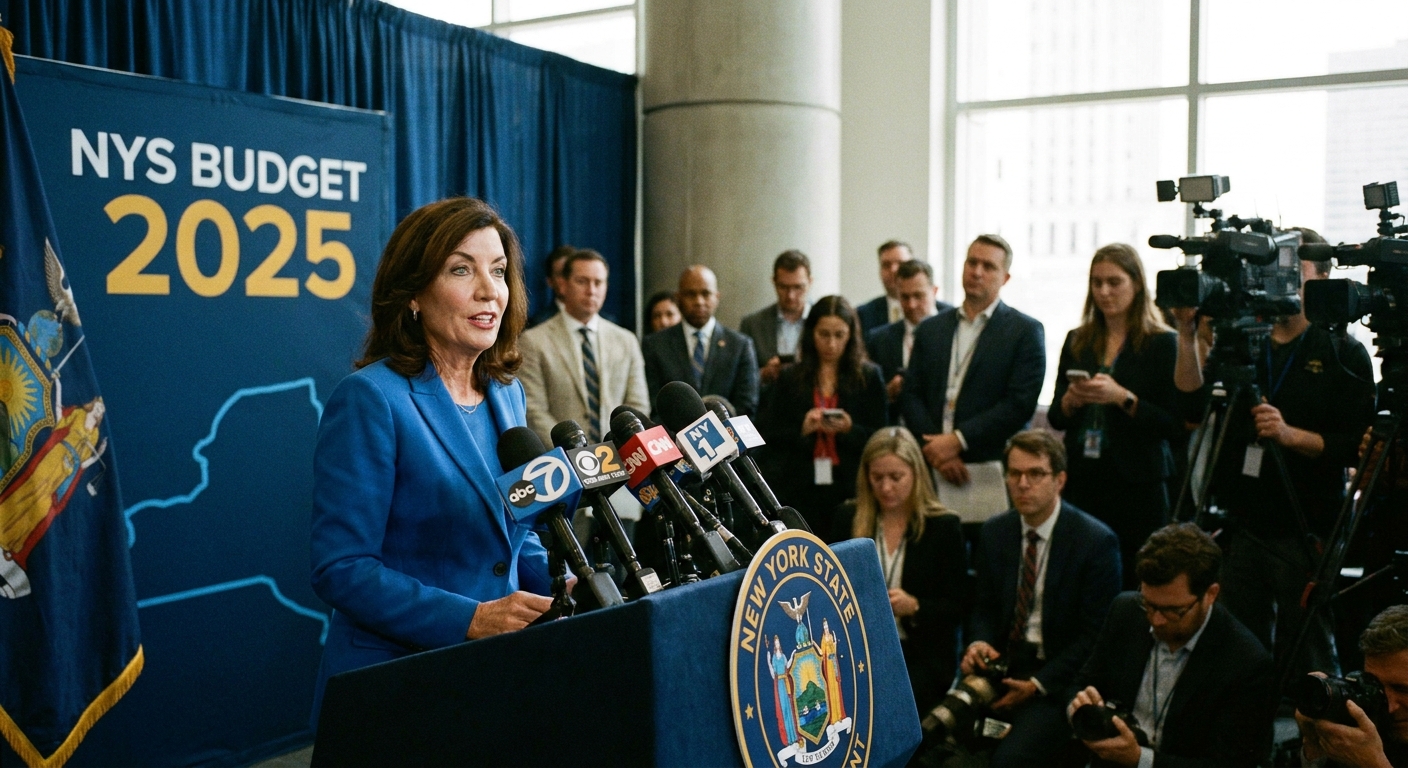
Measles is one of those viruses that can spread fast, especially in communities where vaccination rates are low. On Monday, New York took a major step to slow that spread: Governor Kathy Hochul declared a statewide disaster emergency as case counts climbed in under-immunised rural areas.
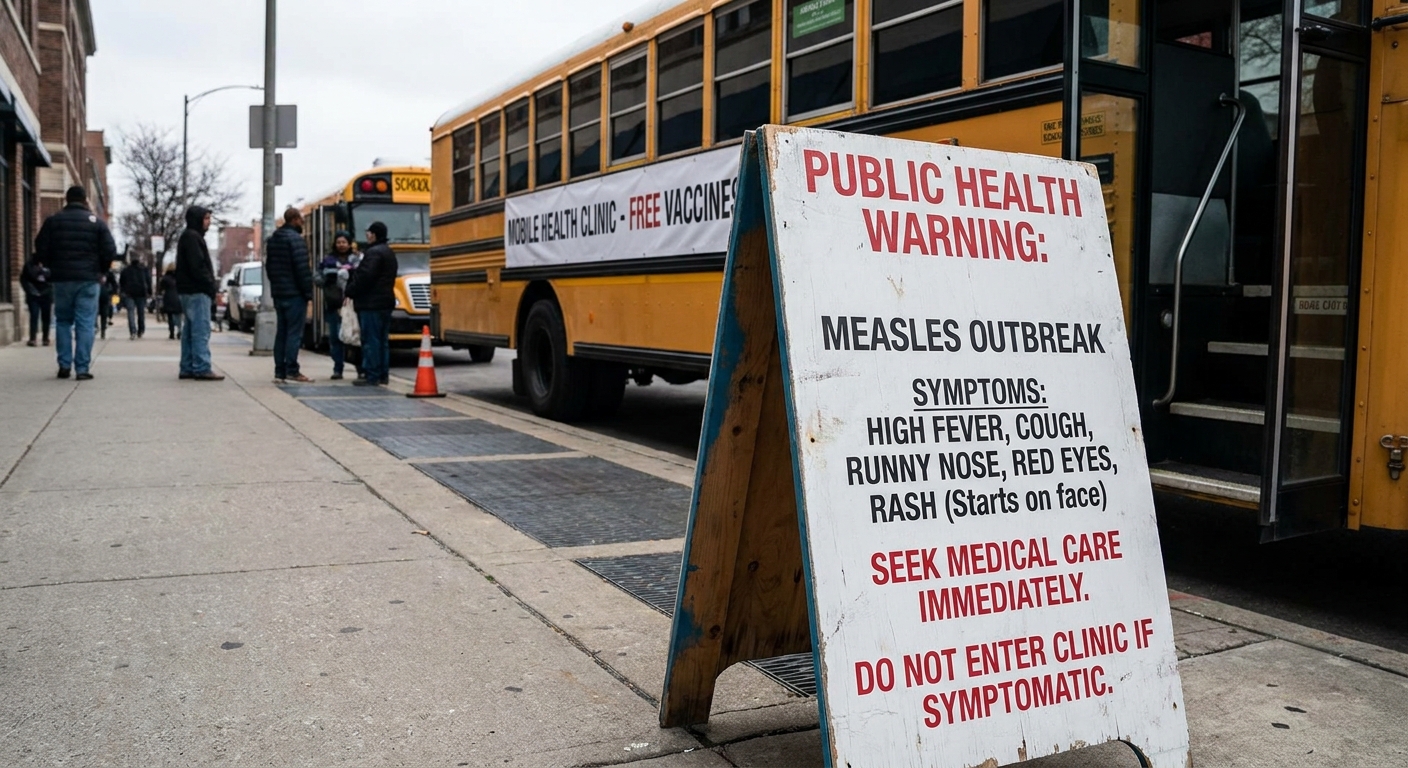
If you are wondering what to watch for, measles has a fairly predictable timeline in the body: a quiet incubation period, a few days of classic cold-like symptoms with a high fever, and then the well-known rash that moves from the face downward.
What’s happening in New York
New York has reported 108 measles cases this year through October 3. Notably, 92 of those cases were reported since July 15, concentrated in under-immunised rural communities across 18 counties.
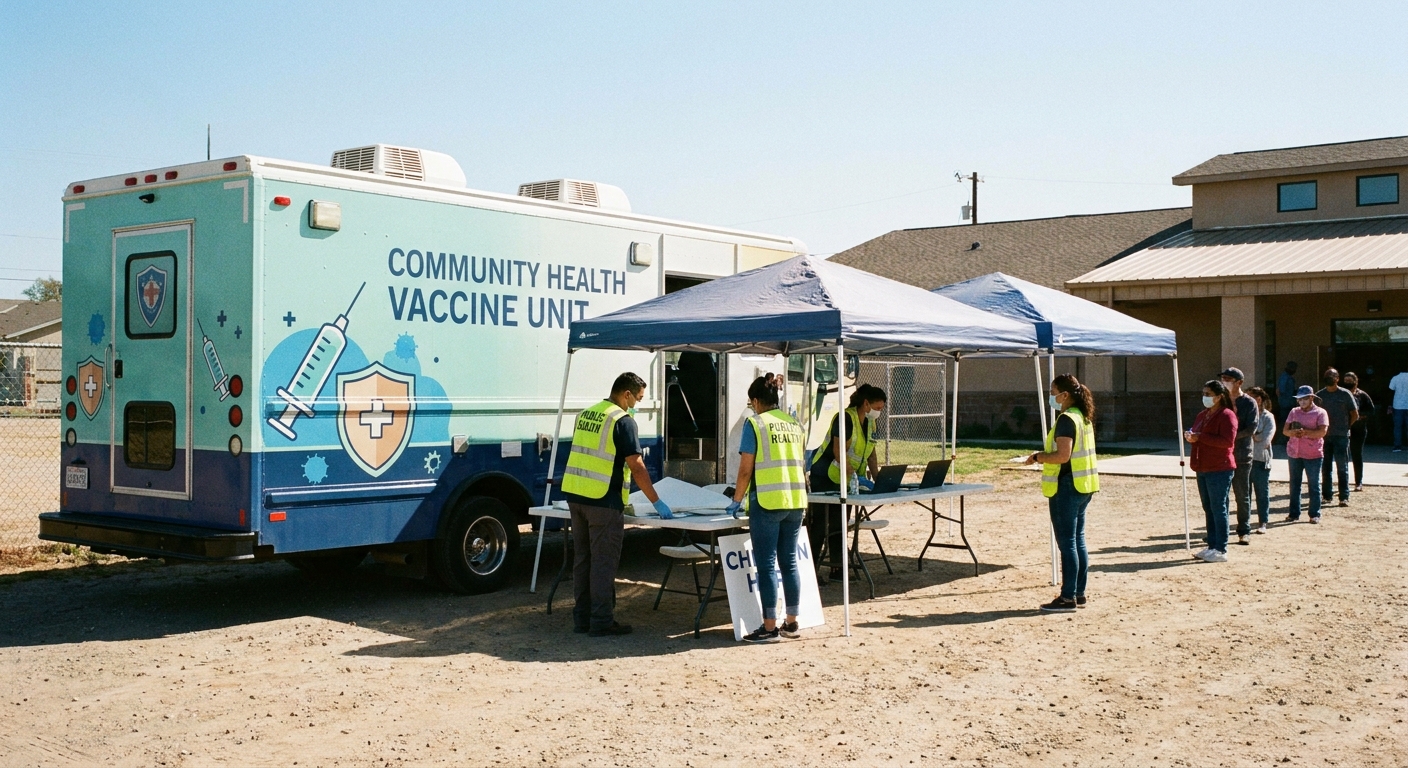
Of the 108 cases, seven are in New York City and 101 are elsewhere in the state, the governor's office said. Since July 15, local health departments have administered more than 1,000 MMR doses in rural areas.
In announcing the emergency, Hochul said:
"No one should get seriously ill or die from a vaccine-preventable disease,"
The executive order describes the case levels as well above typical annual levels and expands access to vaccination and testing by widening who can administer shots and who can order measles tests.
Across the border, Pennsylvania has been dealing with a much larger outbreak. As of October 2, the executive order cited 977 cases and five deaths, mostly in rural counties that border New York. Pennsylvania health officials said on Monday that the state's total had passed 1,000 cases, making it the largest state outbreak in more than three decades.
Nationally, the Centers for Disease Control and Prevention reported that the US is having its worst year for measles since 1991, with nearly 3,900 cases.
Measles symptoms and timing
Measles does not usually announce itself immediately. Symptoms typically begin 7 to 14 days after exposure, though they can start as late as 21 days after exposure.
Early symptoms (day 1 to 4)
Early measles can look like a rough cold, except the fever can be strikingly high. Watch for:
- High fever, which can spike to 104°F to 105°F (40°C)
- Dry, persistent cough
- Runny nose (nasal congestion)
- Red, watery eyes (conjunctivitis or pink eye)
- General discomfort: tiredness, irritability, body aches, and poor appetite
One of the most classic clues is a finding called Koplik spots. These are tiny white or grayish-white spots that can appear inside the mouth, often on the inner cheeks or lips, about 2 to 3 days after symptoms begin.
Later symptoms (day 3 to 5 and onward)
The hallmark measles rash usually arrives 3 to 5 days after the first symptoms. The pattern matters:
- Where it starts: usually on the face at the hairline or behind the ears
- How it spreads: down to the neck, then the trunk, then the arms and legs, and finally the feet
- How it looks: flat red spots that may develop small raised bumps; spots can merge into larger blotchy areas
- Itch: the rash is usually not itchy
- Visibility: it may be harder to see on darker skin tones, so pay attention to fever and other symptoms too
When the rash appears, the fever can surge again, often over 104°F.
If you suspect measles
Measles spreads efficiently, which means the first decision you make can help protect other people.
- Call ahead before going anywhere in person. If you think you or your child might have measles, contact your healthcare provider or local health department first so they can reduce the chance of exposing other patients.
- Go for emergency care immediately if there is trouble breathing, severe dehydration, a seizure, confusion, or extreme lethargy.
What the emergency order changes
New York’s disaster emergency took effect on Monday and runs through November 4. The order is designed to reduce bottlenecks by expanding who can provide key services and by speeding up reporting.
- More vaccinators: Pharmacists can vaccinate children as young as two.
- Faster testing pathways: Registered nurses are allowed to order tests for suspected measles.
- Reporting requirements: All MMR vaccinations must be reported to state or New York City immunisation registries within 72 hours. The order also waives adults’ consent for that reporting step.
- Consent for vaccination remains: The shot itself still requires consent from the patient or a legal guardian.
A quick checklist
If measles is circulating in your region, it helps to have a simple, calm checklist ready:
- Did symptoms start about 1 to 2 weeks after a possible exposure, or even up to 21 days?
- Is there a high fever plus cough, runny nose, and red watery eyes?
- Are there mouth spots that look like tiny white specks inside the cheeks or lips?
- Did a rash begin at the hairline or behind the ears and spread downward?
- Before you go anywhere, have you called ahead?
Measles can be serious, but recognizing the timeline early and taking the right first steps can help protect your household and your community.