Your immune system is less like a single “army” and more like a whole security network: doors and locks, motion sensors, patrol officers, detectives, and a long-term case file. The truly amazing part is that it can learn. After it meets a germ once, it often responds faster and more strongly the next time.
Let’s walk through that learning process step by step, from the defenses you are born with to the custom-built responses you develop over time.
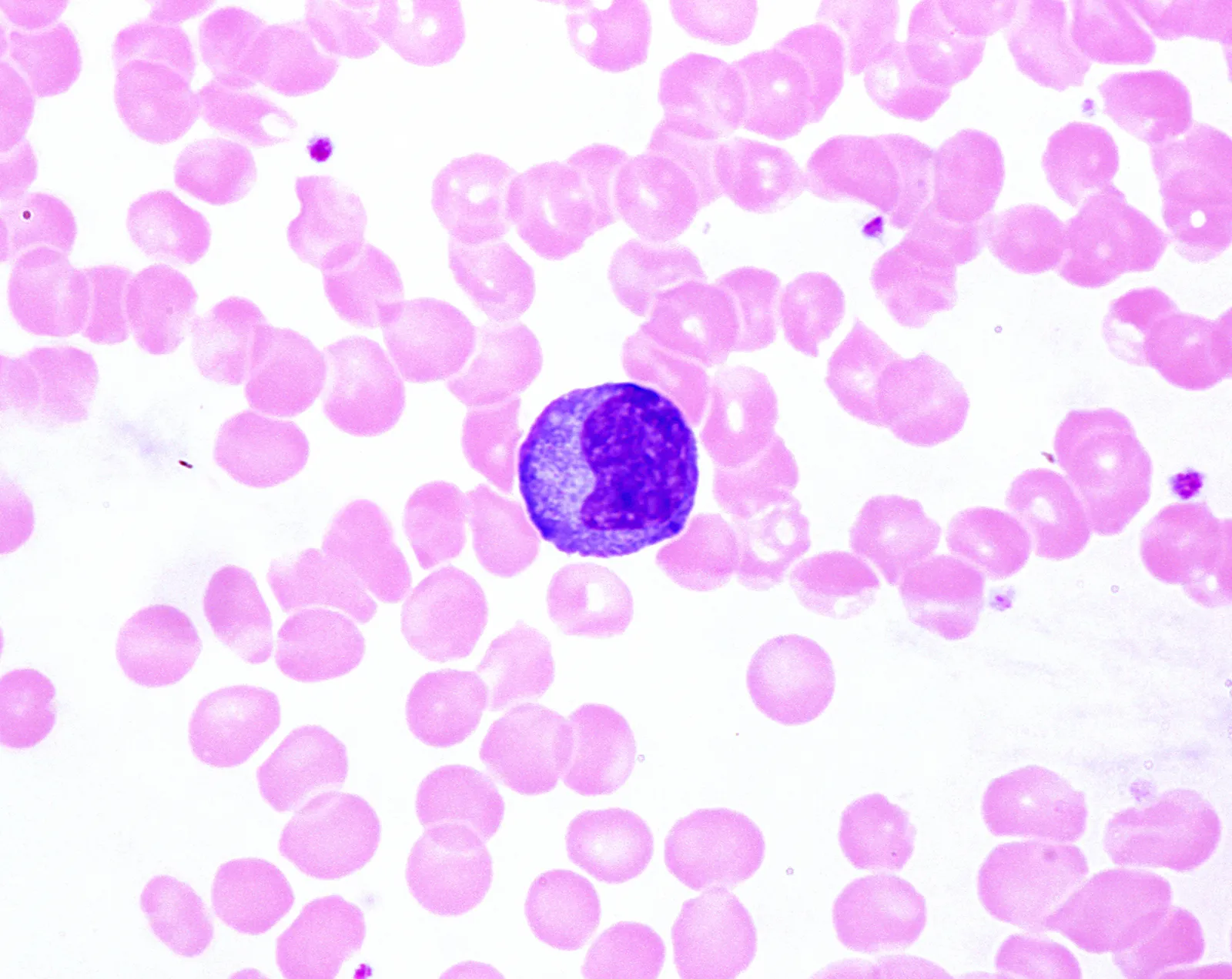
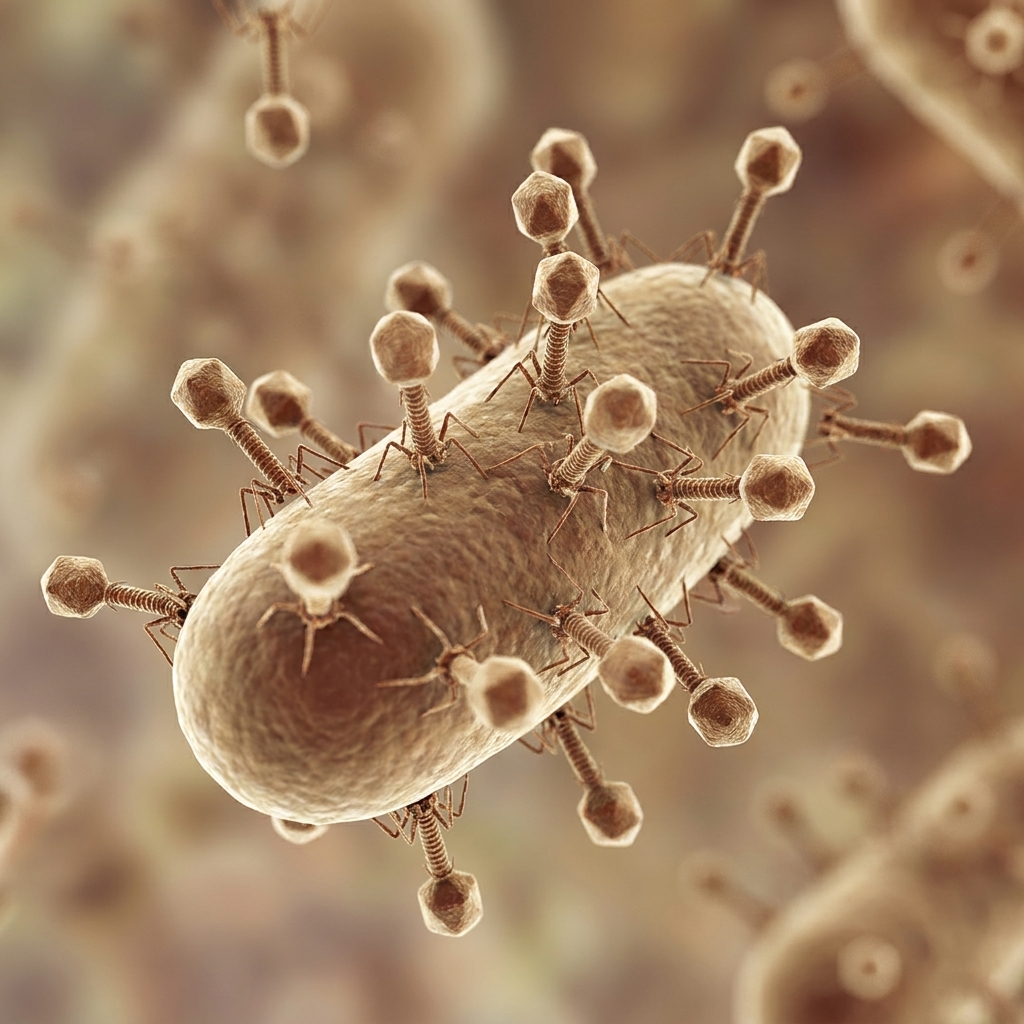
The two big branches: innate and adaptive
Biologists usually split immunity into two cooperating systems:
- Innate immunity: fast, general, always on. It recognizes broad “this looks like a microbe” patterns.
- Adaptive immunity: slower to start, highly specific, and capable of building memory.
If innate immunity is your home’s basic security kit, adaptive immunity is the system that learns a burglar’s face and remembers it for years.
Step 1: First-line defenses try to stop germs at the door
Before a germ even meets an immune cell, it has to get past physical and chemical barriers. These are underrated heroes of everyday health.
Barriers that block entry
- Skin is a tough wall, constantly shedding cells that microbes might cling to.
- Mucus in your nose and airways is sticky flypaper for dust and pathogens.
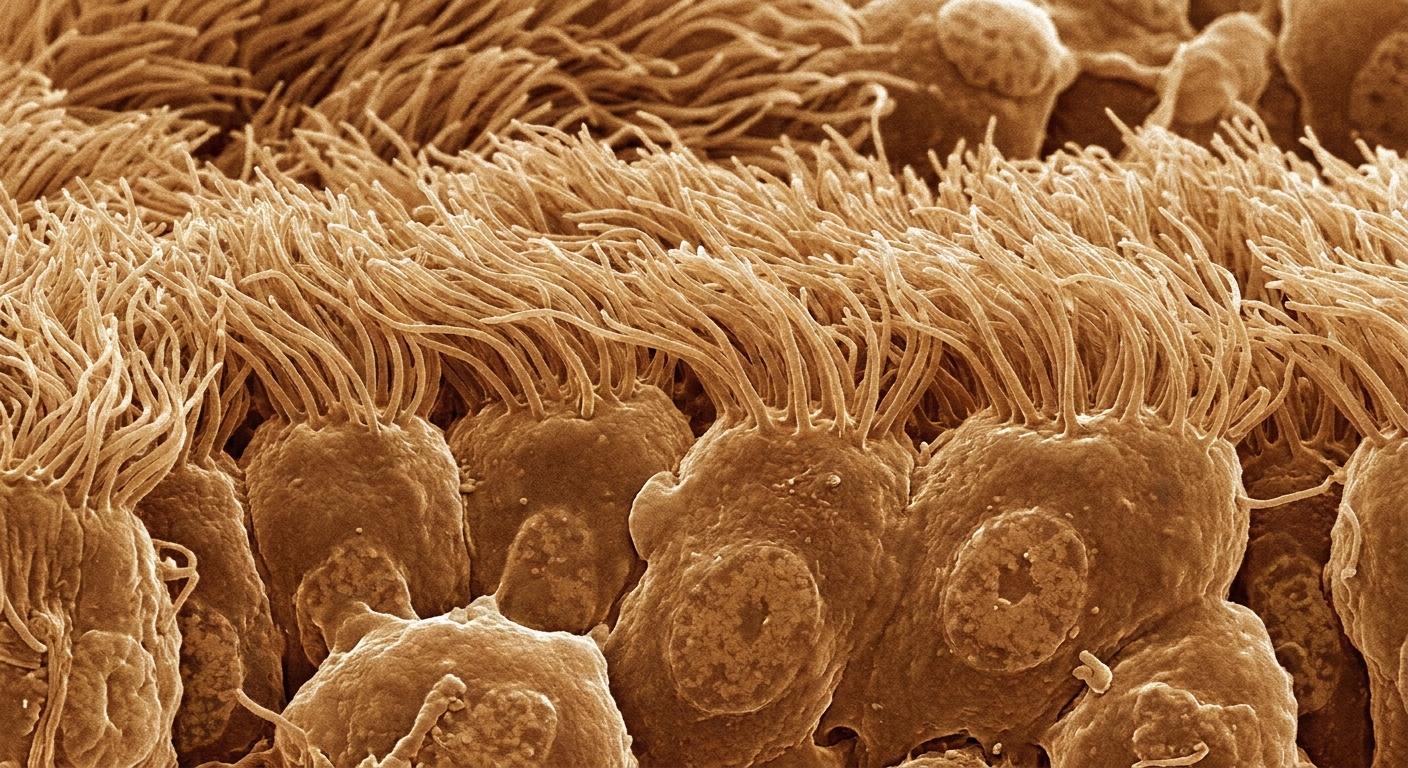
- Cilia (tiny hairlike structures) in your respiratory tract sweep mucus upward so you can swallow or cough it out.
- Stomach acid is a harsh chemical bath that destroys many microbes you ingest.
- Helpful microbes on your skin and in your gut compete with would-be invaders for space and nutrients.
When these barriers work well, your immune system never has to “learn” that particular germ because it never gets a foothold.
Step 2: Innate immunity sounds the alarm and slows the spread
If a pathogen gets inside, innate immunity responds within minutes to hours. Its job is to contain, kill what it can, and buy time for the adaptive system to ramp up.
How innate immunity recognizes trouble
Innate immune cells carry pattern-sensing receptors that detect common microbial features. Think of these as motion sensors that do not know who the intruder is, but know what “intruder-like” looks like.
Key innate players (the fast responders)
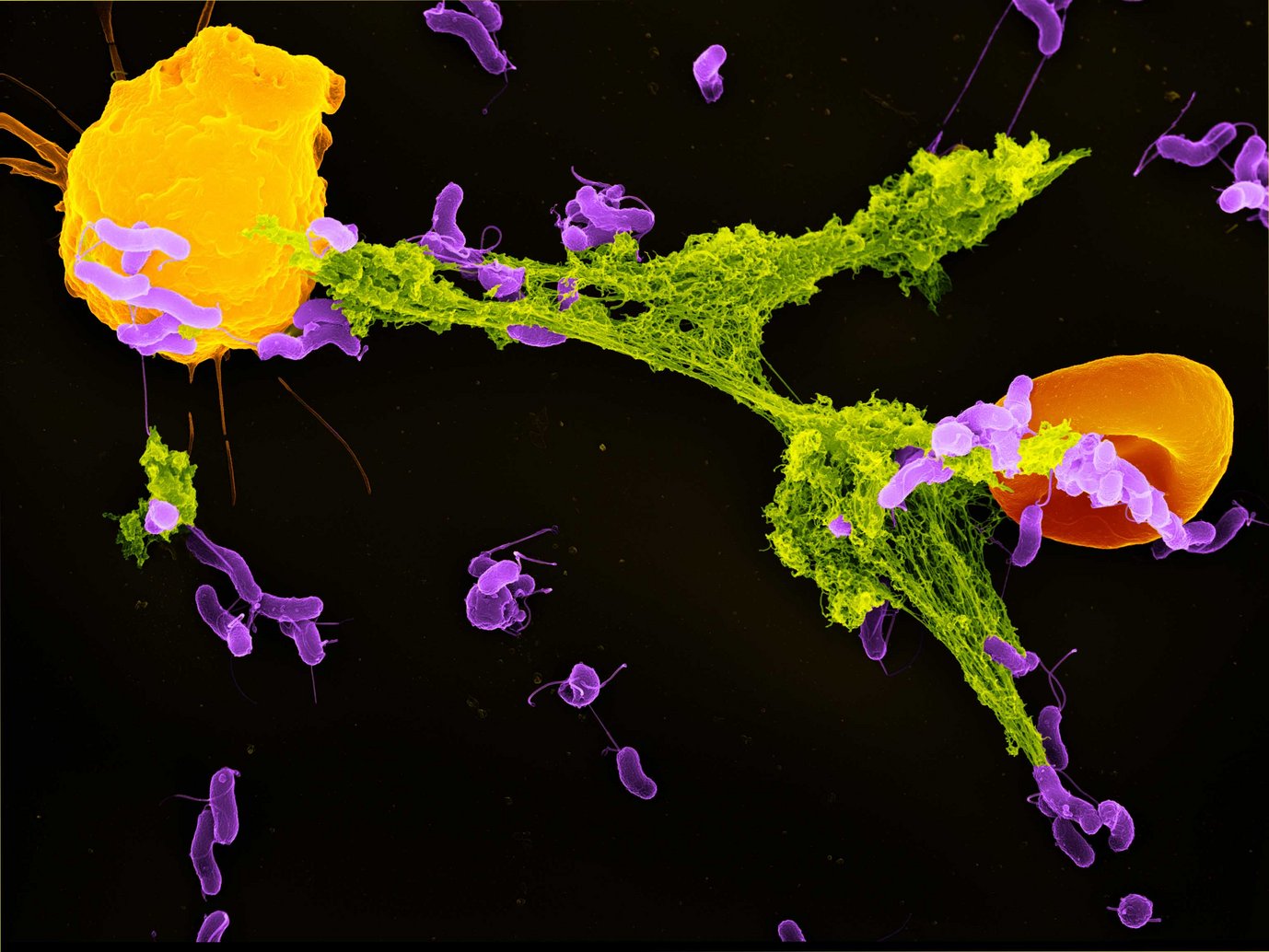
- Macrophages: big “eater” cells that engulf microbes and debris.
- Neutrophils: rapid responders that swarm to infection sites, especially in bacterial infections.
- Natural killer (NK) cells: patrol for infected or abnormal cells and trigger them to self-destruct.
- Complement proteins: molecules in blood that can punch holes in microbes or tag them for destruction.
Inflammation: the loud, messy but useful response
Redness, heat, swelling, and pain are signs of inflammation, which is your body increasing blood flow and opening up “side streets” for immune cells to reach the problem. It’s inconvenient, but it coordinates the response.
Innate immunity is like throwing a big net over a problem area. Adaptive immunity is how your body learns exactly what it caught.
Step 3: Antigen presentation hands adaptive immunity a “wanted poster”
Here is the pivot point where your immune system starts to get specific.
When certain immune cells (especially dendritic cells and macrophages) swallow a microbe, they do not just destroy it. They also chop it into tiny protein pieces (peptide fragments, often called epitopes) and display them on their surface using special “display stands” called MHC molecules.
You can picture antigen presentation like a detective pinning a clear snapshot of the suspect to a bulletin board. Now specialist forces can recognize that exact face.
Step 4: T cells coordinate and kill infected cells
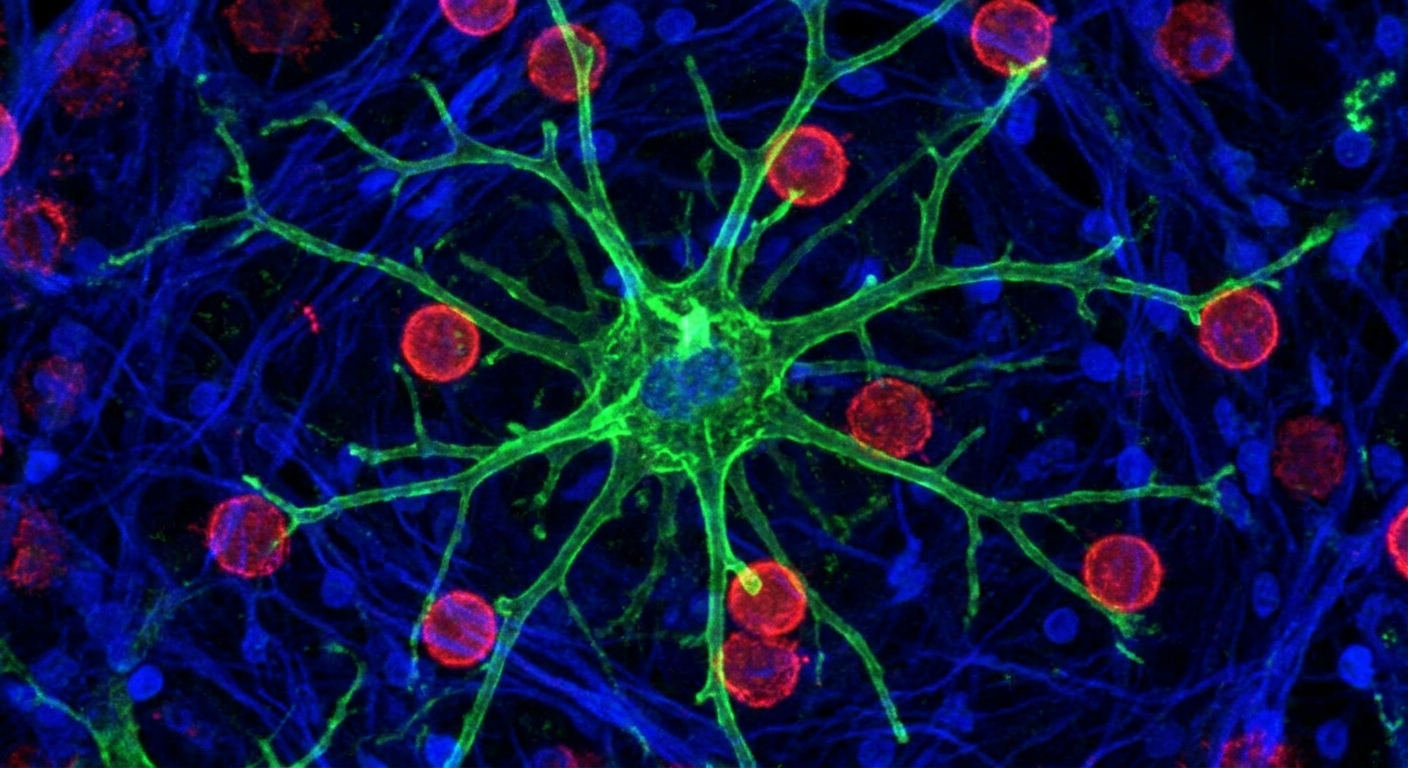
T cells are central planners and precision tools in adaptive immunity. They mature in the thymus (that is where the “T” comes from) and come in multiple flavors.
Helper T cells: the project managers
Helper T cells respond to peptide fragments displayed on MHC II (typically shown by immune cells that present antigens). They release chemical signals that activate other immune cells. In many infections, they are the difference between a scattered response and a coordinated one.
Killer T cells: the cleanup crew for infected cells
Cytotoxic (killer) T cells respond to peptide fragments displayed on MHC I (often shown by almost any infected body cell). They specialize in destroying your own cells that have been hijacked by viruses (and sometimes other intracellular pathogens). This matters because viruses spend much of their time inside cells, where antibodies cannot reach them.
Instead of chasing the virus directly, killer T cells remove the virus’s “factory” by eliminating the infected cell.
Step 5: B cells make antibodies that match the germ
B cells are the antibody-makers. Each B cell carries a unique receptor that can bind to a particular shape. When the right B cell bumps into its matching target, it can activate (often with help from helper T cells) and multiply.
Antibodies, explained like you are holding one
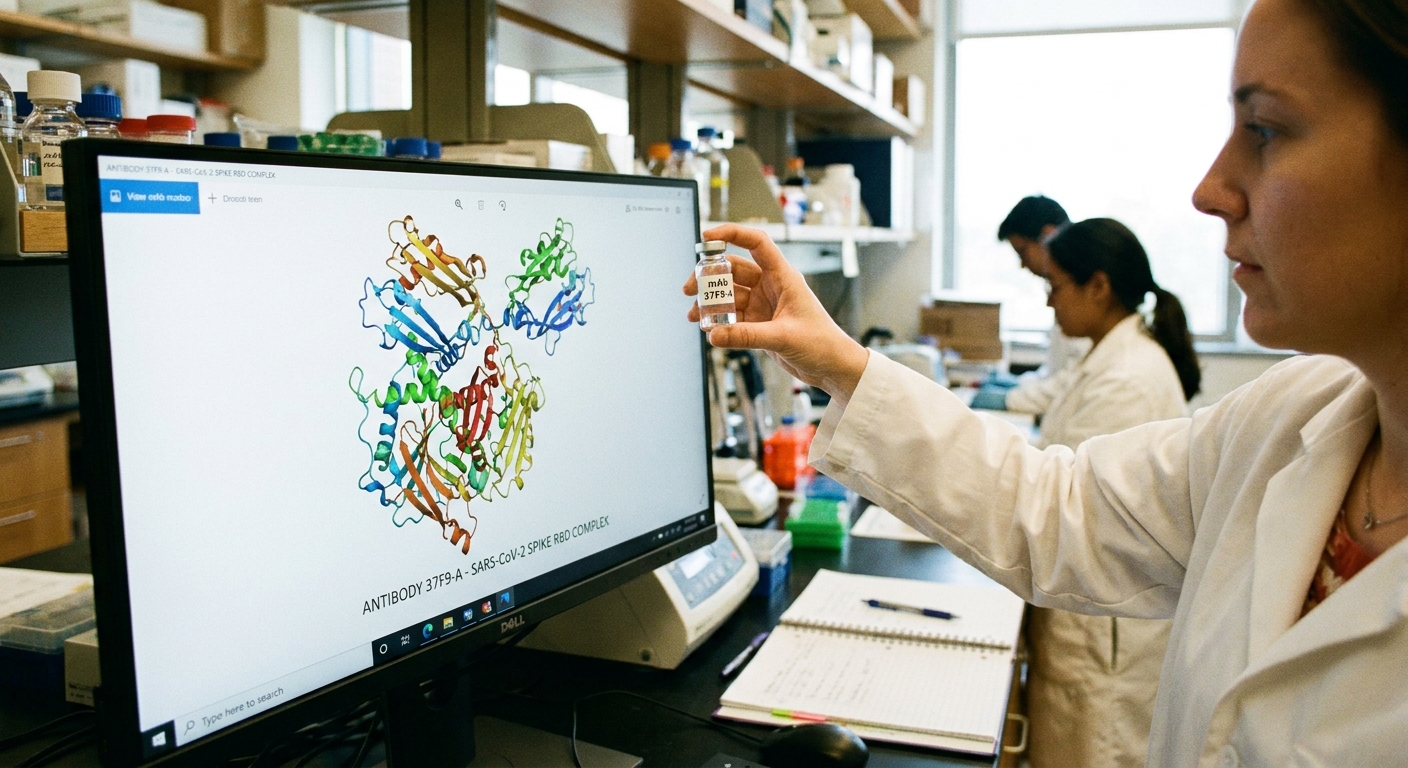
Antibodies are Y-shaped proteins that circulate in blood and tissues. Each antibody type binds to a specific target.
Once antibodies attach to a germ, they can:
- Neutralize: block a virus or toxin from attaching to your cells.
- Tag: coat the microbe so “eater” cells can grab it more easily.
- Activate complement: trigger protein cascades that help destroy invaders.
Some antibodies also specialize in guarding entrances. For example, IgA is common in mucosal surfaces like the nose, lungs, and gut, which are major “front doors” for infection.
If innate immunity is a net, antibodies are custom-made keys that jam a burglar’s lock.
Step 6: Memory cells store the lesson for next time
The immune system’s “learning” becomes obvious after the first battle.
During an infection (or vaccination), some activated B cells and T cells become memory cells. They can survive for years, sometimes decades, for some pathogens, quietly patrolling or waiting in lymph nodes.
What immune memory does
If the same germ returns, memory cells respond faster and more forcefully than the original, naive cells. That can mean:
- A shorter illness
- Milder symptoms
- Sometimes no noticeable illness at all
This is why some infections can feel “one and done” (measles is a classic example), although it depends on the pathogen and on how well immunity holds up over time. Some fast-changing respiratory viruses can reinfect people more easily.
Why vaccination can create lasting protection
Vaccines take advantage of a simple idea: you can train immune memory without paying the full price of the disease.
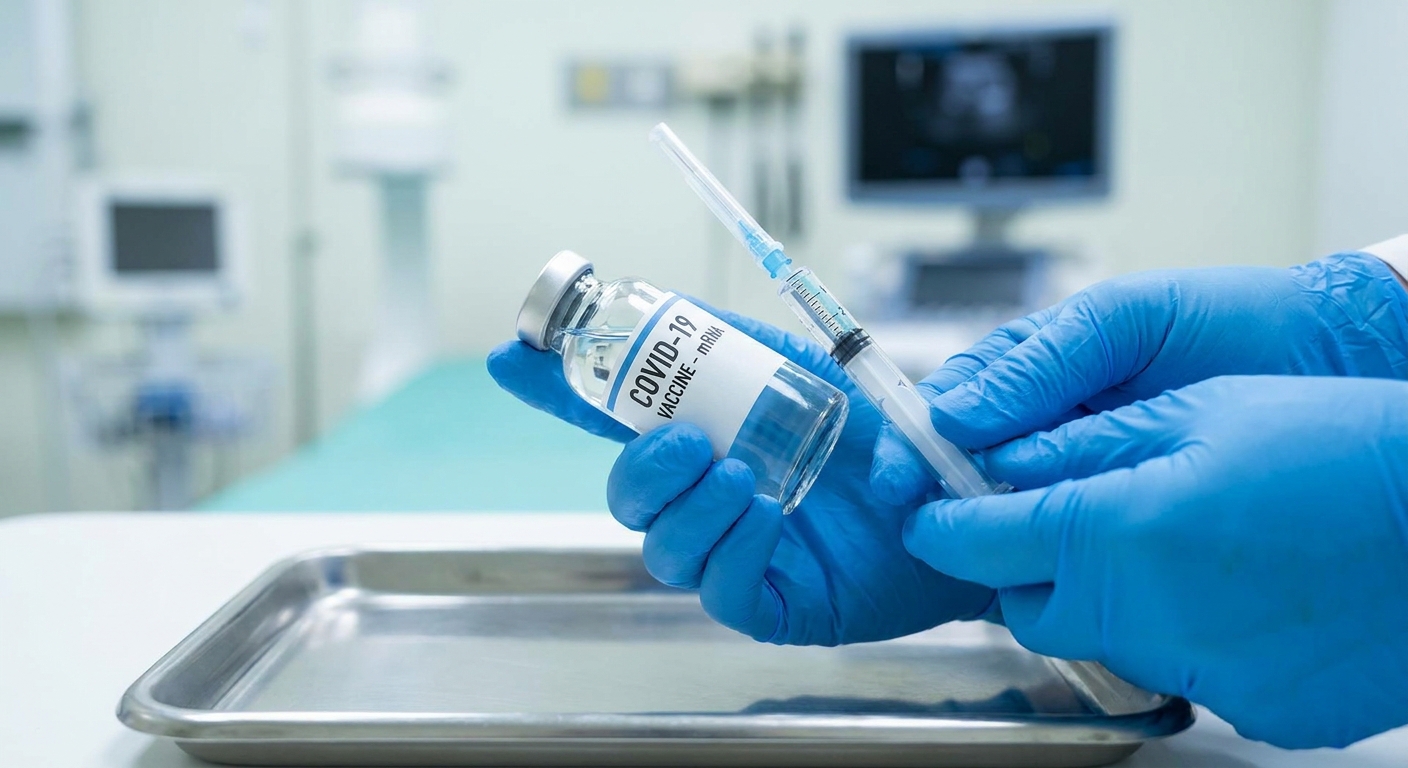
A vaccine introduces your immune system to a safe version or piece of a pathogen, enough to trigger antigen presentation, T cell coordination, antibody production, and memory formation.
What your body “keeps” after a vaccine
- Memory B cells that can quickly restart antibody production
- Memory T cells that can coordinate responses and kill infected cells
- Sometimes lingering antibodies that provide immediate front-line protection
One helpful nuance is that protection is not all-or-nothing. Some immune responses are best at preventing infection in the first place, while others mainly reduce how severe the disease becomes.
Why boosters exist
Immune memory is strong, but it is not always permanent at the same intensity. Boosters can:
- Remind memory cells and expand them
- Raise antibody levels back up
- Improve antibody quality through a process called affinity maturation, where B cells fine-tune their match to the target
Think of it like refreshing a skill you learned years ago. The knowledge is there, but practice makes it quicker and sharper.
A quick timeline: what happens after you encounter a new germ
Here is the step-by-step sequence in one place.
- Minutes to hours: barriers and innate immune cells respond, inflammation begins, complement may activate.
- Hours to days: antigen-presenting cells travel to lymph nodes and show peptide fragments on MHC to T cells.
- Several days: T cells multiply; early antibodies (often IgM) can begin to appear.
- About a week and beyond: antibody levels rise further; higher-affinity, class-switched antibodies often build over time as the response matures.
- After the battle: some B cells and T cells become long-lived memory cells.
FAQ
Do antibodies last forever?
Not always. Antibody levels often decline after an infection or vaccination. That is normal. The deeper protection often comes from memory cells, which can ramp up antibody production quickly when needed. Some diseases produce longer-lasting antibody levels than others.
If antibodies fade, does that mean I am not protected?
Not necessarily. Protection is not a single number. Even with lower circulating antibodies, memory B cells and memory T cells can reduce severity by responding quickly. For some pathogens that spread fast, higher antibody levels matter more for blocking infection early, which is one reason certain boosters are recommended.
Why do I sometimes get sick from something I had before?
A few common reasons:
- The pathogen changes its surface features over time, so it looks different to your immune system.
- Immunity wanes, especially if you have not encountered the pathogen for years.
- Your exposure dose was high, giving the pathogen a head start.
- Your immune system was temporarily distracted or stressed by sleep loss, illness, or certain medications.
Is inflammation always good?
Inflammation is useful when it is targeted and temporary. Too much inflammation, or inflammation in the wrong place, can cause collateral damage. A big theme in medicine is learning how to reduce harmful inflammation without disarming the immune response entirely.
The takeaway
Your immune system learns germs the way a good teaching lab builds understanding: first you recognize the general category of problem, then you gather evidence, then you build a specific solution, and finally you keep the notes for the next time.
Vaccines work because they give your immune system a clean, controlled practice run that builds those notes, especially memory B cells and memory T cells. And when the real pathogen shows up later, your body does not have to start from scratch.